


Dermaplaning is a skincare buzzword you may have already been paying attention to. Perhaps, like many of us, you’re too scared to try it. Besides, shaving your face is something everyone’s mother told us NOT to do when we were younger. So why are all the girlies advocating for this new skincare trend?
Behind the smooth faces on your FYP lies some gritty truth. Is dermaplaning actually doing anything? Does it cause more harm than good? And will our hair grow back thicker and darker?
We sat down with GP dermatologist Dr. Naz Fatima Alvi to get the inside scoop on the pros and cons of dermaplanning. From the do’s and don’ts to the skin secrets of the industry…prepare to be *mind-blown*.
So, what actually is derma planing?
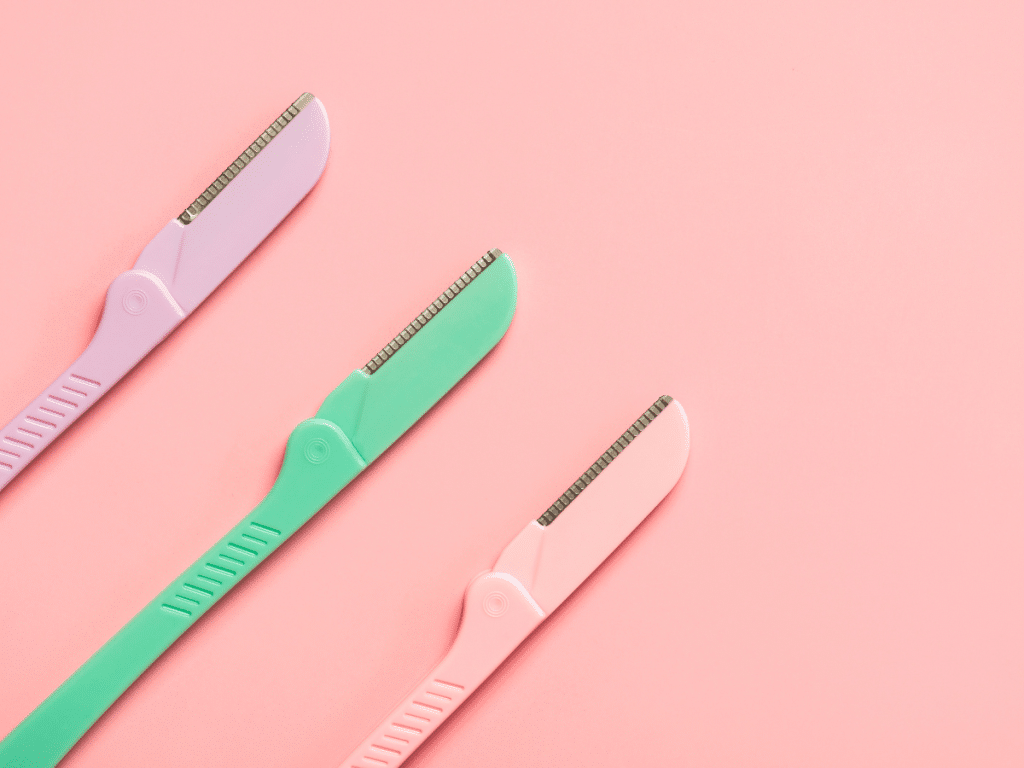
According to Dr. Naz, dermaplaning is “a process by which we exfoliate the skin. It’s done using a small blade attached to a handle. It’s a very superficial process, some people use it for removing the very fine hairs on the face. While you use the blade to remove the hair, it scratches the skin and that also removes the dead skin.”
But don’t be fooled. She also revealed that it’s important to note the difference between dermaplaning and dermabrasion: “Dermaplaning is very mild…it can be done at home or at certified beauty salons. Dermabrasion is literally taking off a layer of skin and is a grade 4 procedure usually done by laser”.
Why do we do it?
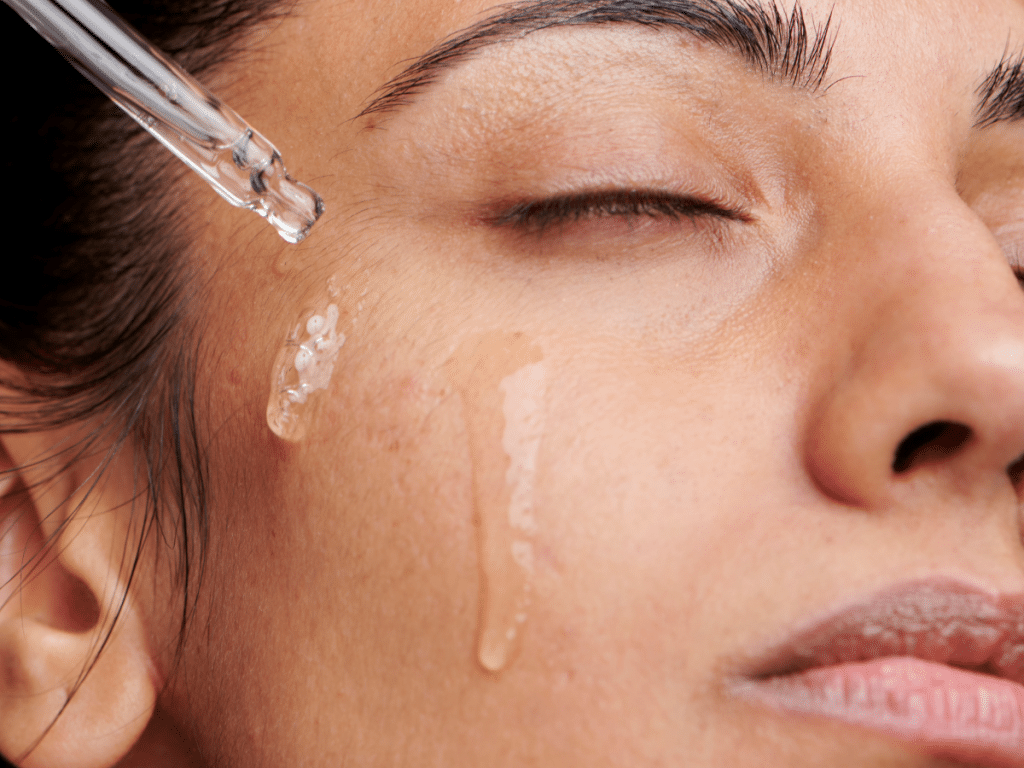
It’s no secret that glowy skin is the most desired look of the year, and dermaplaning might just be the place to start. “The main benefits are that you get rid of that fine hair and the skin looks smoother and shinier,” says Dr. Naz, “and when you put makeup on you don’t get that peach fuzz.”
She reveals that dermaplaning can make your skincare products absorb into your skin better, because “you’re removing the dead skin so it’s playing the role of an exfoliant”, which ultimately leads to better absorption.
What are the risks?
The main risk with dermaplaning is that at the end of the day, it is a blade. Therefore, if you’re not an expert or doing it for the first time then “you can cause cuts in your skin which can lead to an infection. Deeper cuts can result in scarring.” Yikes, maybe leave it to the professionals then. Also, Dr. Naz explained that “playing with your skin too much can lead to pigmentation.”
Moreover, “dermaplaning doesn’t stimulate collagen or elastin due to being so superficial. It does not have any anti-ageing properties or benefit acne scarring.”
How often should we do it?
Dr. Naz explained that the recommended frequency to partake in dermaplaning is once a week, but in her opinion, keeping it to once every two weeks is a safer bet.
What skin types are optimal for dermaplaning?
“It should be done on healthy skin. If you have any skin disease, eczema, or underlying skin condition then you should not be doing it”, says Dr. Naz. “It should not be done on anyone with active skin lesions, rashes, or acne.” Noted.
Overall, dermaplaning is a non-invasive treatment that temporarily rejuvenates the skin. Whether you choose to do it or not, the benefits and risks vary from skin to skin.
Still searching for that glass skin effect? Find our fave viral Korean skincare products in the GCC here.