

We spend so much time talking about wellness. From therapy apps to morning walks, supplements to wellness routines to protecting our peace, we rarely stop to ask a much bigger question: What if the environments we inhabit shape our mental well-being more deeply than any supplement, routine, or wellness trend ever could? Because – harsh reality check – it probably is.
Your environment quietly influences how you feel every single day, from your stress levels, your quality of sleep, to your ability to switch off, and that bad news is that most of us aren’t connecting those dots. We treat mental health like it’s purely an inside job, shaped by mindset, habits, or personal resilience alone. However, research is increasingly clear that our surroundings play a massive role in how calm, regulated and emotionally balanced we feel.
As that conversation evolves, something bigger is starting to shift. A new generation of communities across the UAE is genuinely rethinking what it means to live well, not just aesthetically, but mentally, emotionally and socially too. City living especially puts this into focus.
There’s incredible energy in urban life, but there’s also relentless stimulation – noise, traffic, chaotic commutes that leave you arriving home already depleted – add to that the pressure of being permanently “on” and the impact is real. Studies show that city living is linked to significantly higher rates of anxiety, depression and chronic stress, and if you live in a fast-paced urban environment, you probably feel this in your body already, even if you haven’t recognised or named it yet.
The mental drain of hours in traffic. The sensory overload of never having a quiet moment. The way work, social life and home life blur into one, long uninterrupted sprint. Even the physical design of where you live plays a massive role. Does it encourage walking and connection or isolation and overstimulation? All of it has a measurable impact on your emotional health. Which is why the wellness conversation is getting bigger. Way bigger than self-care routines and situationships. It’s becoming a conversation about how we actually build communities.
For years, homebuyers focused primarily on location, layout, and lifestyle facilities. Now the questions sound different. People are asking, Will I feel calm here? Can I actually decompress? Can I walk somewhere without getting in a car? Will this place make daily life feel easier or more difficult? Think about it for a second. These aren’t soft lifestyle questions. They’re mental health questions.
Research consistently links access to nature, green space, natural light and walkability to better mental wellbeing, including lower stress levels, improved mood, and sharper focus. Studies also show that time spent in calm, nature-led environments can significantly support mental well-being and emotional regulation. The science is there. The shift is already happening.
In Sharjah Sustainable City, the whole concept is built around a more balanced way of living. Where sustainability, wellbeing and genuine community aren’t separate checkboxes but the actual point. Walkable layouts, green spaces, renewable energy systems, human-centred planning, all shaping an environment designed for a calmer, more liveable way of life.
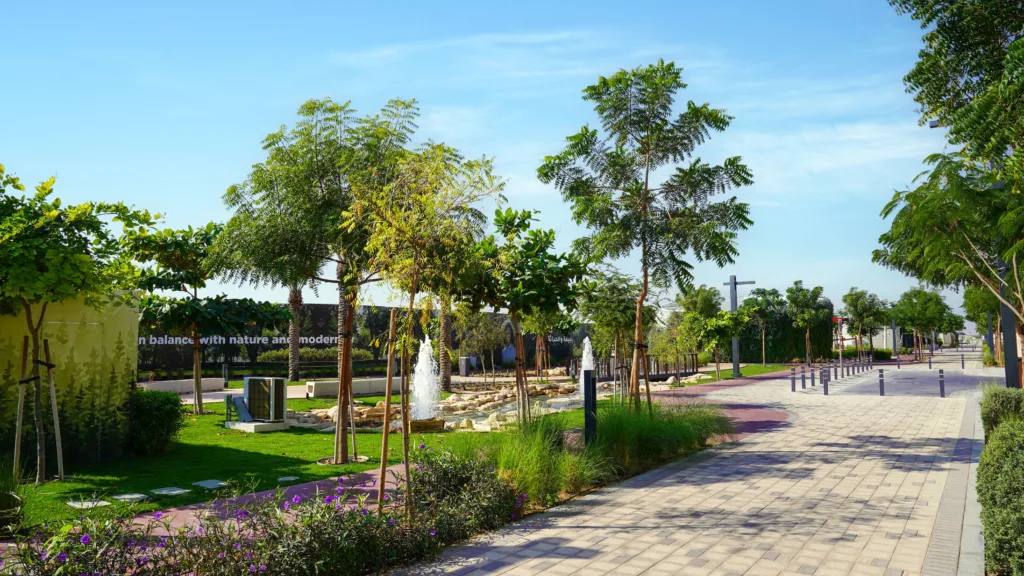
And this goes beyond environmental sustainability. It’s about emotional sustainability, too. After all, burnout is not always a result of work alone; often, it’s reinforced by environments that keep people in a constant state of stimulation.
The same logic applies to coastal and waterfront living. At developments like Ajwan Khorfakkan, there’s real recognition that slower-paced surroundings and access to nature aren’t just aesthetic, they also actively support mental clarity and emotional health. Living near water has long been associated with reduced stress, and people are now making this a non-negotiable when choosing where to live.
Nobody’s saying abandon city life entirely. Cities are exciting, ambitious, and culturally alive. That’s not changing.
But as conversations around wellbeing continue to evolve, we must become more intentional about the environments we choose to live in and the communities we create around us. Because wellness is not shaped solely by what happens internally, it’s also deeply influenced by what surrounds us every single day.
Perhaps the future of mental wellbeing lies not only in therapy sessions, wellness apps, or temporary digital escapes, but in the quieter details of everyday living: calmer streets, more green spaces, walkable communities, natural light, waterfront views, meaningful human connection, and moments of genuine stillness woven into daily life, all within a home that finally allows people to exhale.
Your zip code won’t determine your happiness entirely, but the environments surrounding you quietly shape your mental health more than you think.