
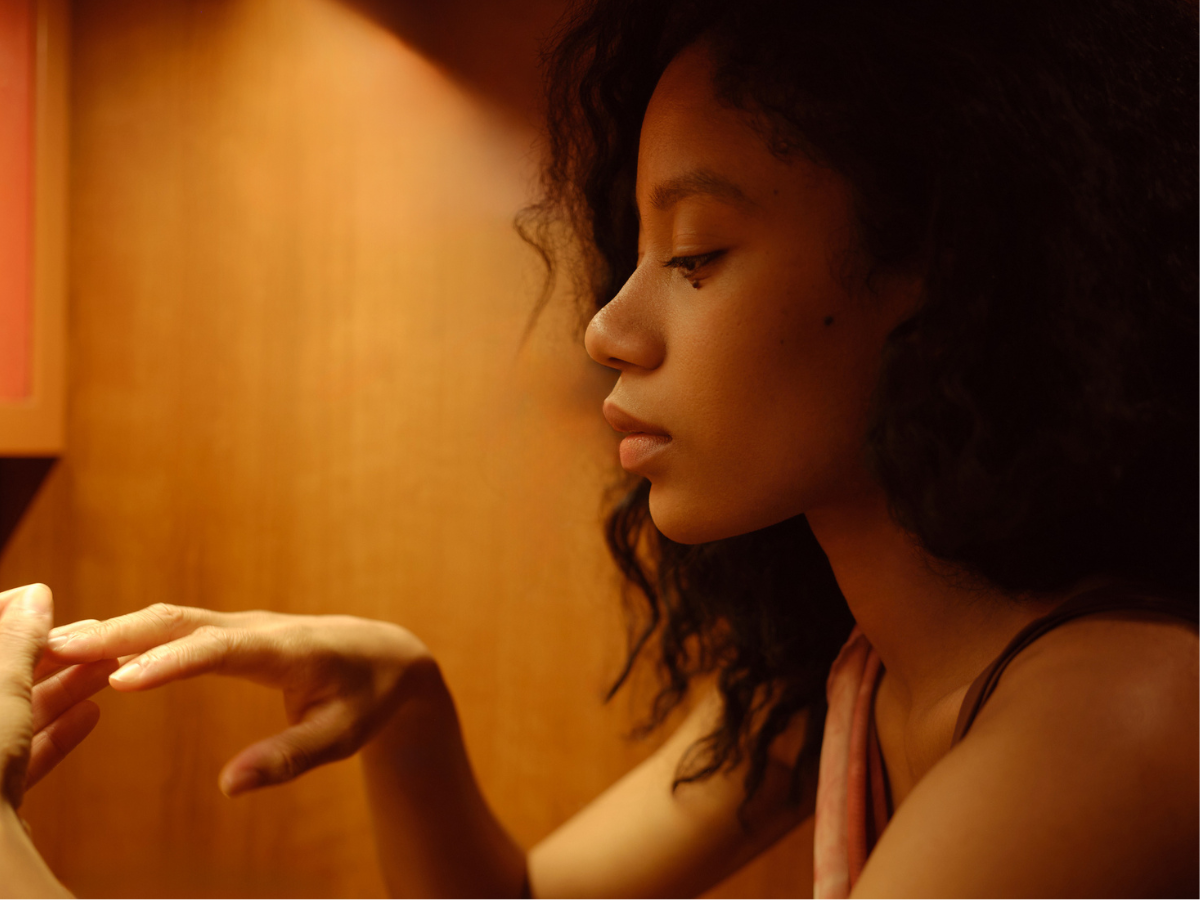
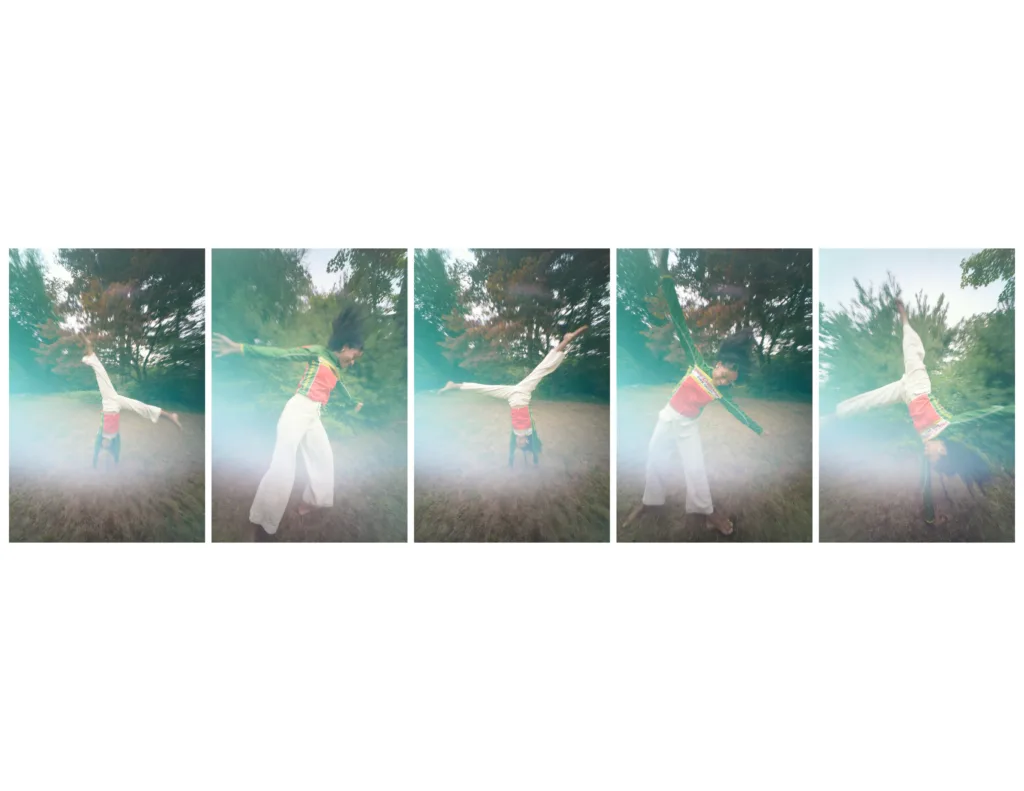
I didn’t realise my inner child was still alive until she showed up one drizzly afternoon in the park, urging me to try a cartwheel.
I had decided to go for a solo walk after a ridiculous doom scroll session in my low-lit studio. The grind of rehearsing for yet another job interview, racing to meet postgraduate application deadlines, and juggling freelance positions had me wishing that something miraculous would pluck me from the clanking machine of adult burnout. One afternoon, that something did appear. It wasn’t quite a voice, more like a tidal wave, a bodily urge, a vibration: “try a cartwheel,” she insisted. Within minutes, I was barefoot on the damp grass, flipping, stumbling, then practising my handstand for nearly half an hour as if no one was watching. Between giggles and grass stains I remembered something adulthood had made me forget: I used to live for moments like this.
Play is essential for everyone
These days, self-care is often a checklist of therapy appointments, meditation apps, workout schedules, and kale smoothies. These are all valuable, but so serious and goal-driven that it sometimes leaves little room for joy. Is the real glow-up secret much simpler? We’re often told to “heal our inner child”, but what if the answer instead lay in inviting her out to play?
According to behavioural scientists, play is integral to children’s overall health, including their cognitive development, emotional regulation, and ability to form social ties. Play acts as a stimulant on a child’s mind and a lack of it can lead to a well of adverse effects: weakened neural pathways, an unhealthy amount of stress, a weakened sense of self, creative deficiency, and anxiety. Do any of these symptoms sound similar to the growing groans of modern adults? It’s no coincidence.
Maybe we can bottle up the magic of this insight, modelling adult life and adult wellness to reflect what already works for children, because at the end of the day isn’t that what we are – children in larger bodies? Children longing for fun, children wanting to taste the sun. Children still learning to live, still clumsy, still falling and figuring it out.
Researchers at George Washington University and Queen Mary University of London conducted different studies on older adult groups and found that engagement in the arts significantly improved mental health, physical well-being, and even led to fewer GP appointments. Dr Gene Cohen’s geriatric study even suggested that doing art can extend one’s life by seven years. In a related study, Neurologist Luis Fornazzari uncovered that creative engagement – whether through painting, acting, dancing, or sculpting – protects the brain and can delay the onset of diseases like dementia, Alzheimer’s, Parkinson’s, and strokes.
When we pick up a paintbrush, shape clay, or doodle without worrying about the outcome being good or bad, we’re not just making art, we’re embracing the spirit of play. It is that messy, silly, spontaneous energy that forms the foundation, the core, and heartbeat of artistic expression and joyous living. Play is a tool to even the scales, allowing us to experience richer, healthier, and more balanced lives.
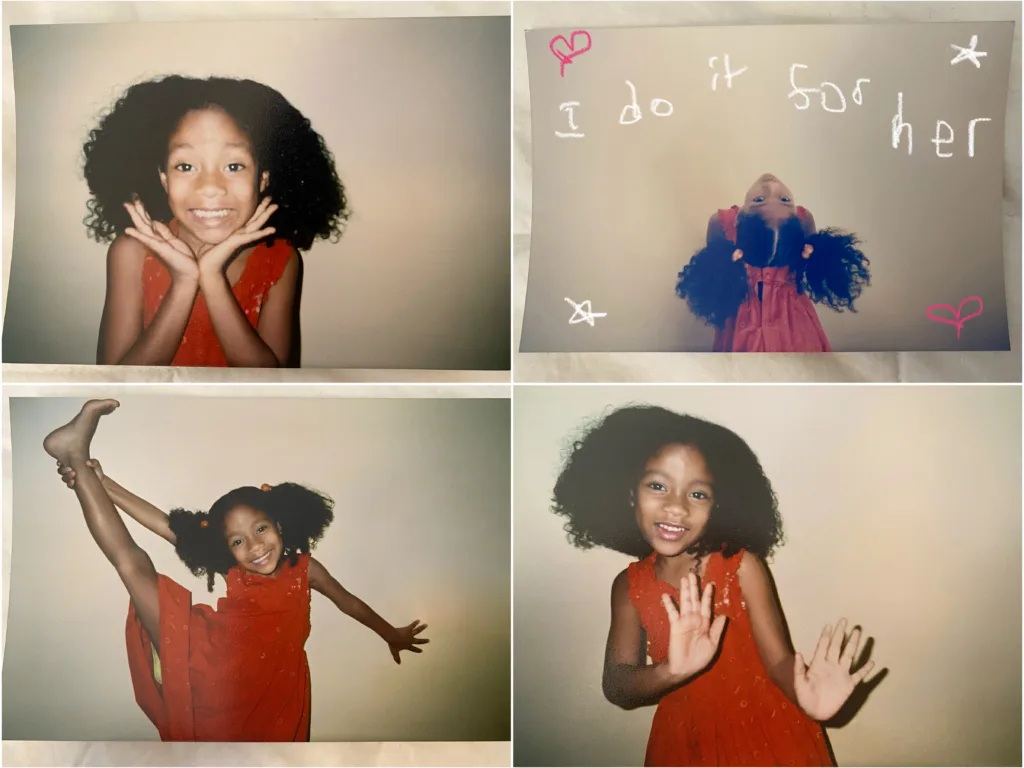
Play as a tool for manifestation
Last spring, on the way to a local hiking trail, my partner and I found ourselves stuck in what city dwellers and go-go-go zealots might refer to as one of the least thrilling circumstances: traffic. A school bus idled at snail speed in front of us; its wide rear window buzzed with a lively cluster of seven- to nine-year-olds.
One kid blazed his gaze directly through our windscreen, casting mischievous looks our way. “How adorable”, I thought dismissively and smiled. My partner fired back, breaking out into his own silly face. How unexpected. Without missing a beat, the kid mirrored him. How truly unexpected.
My partner answered again, then again, and suddenly six more boys were in on the game: animal snouts, puffer fish cheeks, peek-a-boo, tongues sticking out. The boys imitated his gestures, erupting in laughter that was wilder and more volcanic each time.
From the passenger seat, I started giggling hard too. My partner suspended seriousness, but he didn’t allow himself to laugh, not until the end. He was in it. His commitment to character was remarkably and endearingly unwavering. The scene crescendoed into his most glorious and final act: a nose-picking mime. The children collapsed into hysterics.
I was not an active participant in the silly ordeal. I was merely an audience member. Yet, this too is a role that requires participation, albeit the more passive kind. I allowed myself to be absorbed by the play and it generated transformation. The threads around my mind had been spun anew, the energy around me reorganised itself. Agitation was replaced by appreciation. I, we, had transcended. For a moment life outside dissolved and the world was distilled to nothing but play, passed back and forth between glass.
This moment taught me that play is a portal, a modality for us to transcend the gridlocks that arise in adulthood – being stuck in an unfulfilling career, figuring out how to be a new parent, feeling like we lost the way, chronic worrying, imposter syndrome, writer’s block. The answer is not to negate any of life’s responsibilities, but to make play a part of these inevitable processes and impasses. We can shift the way our external reality is experienced by engaging in activity that is spontaneous, creative and wildly contagious.
In the book Homo Ludens: A Study of the Play-Element in Culture, cultural historian Johan Huizinga invites us to create and experience these “temporary worlds within the ordinary world”. He writes, “[…] there is no formal difference between play and ritual […] The arena, the card-table, the magic circle, the temple, the stage, the screen, the tennis court, the court of justice, etc., are all in form and function playgrounds”. Huizinga propels the idea that play is divine, is sacred, and that all life is “rooted in the primaeval soil of play”. According to Huizinga, civilisation is not born from the womb of play but instead emerges through the act of play and becomes play. Play is a powerful force that actively creates society – shaping, shifting, and restoring our reality when we least expect it.
Play for social cohesion and sisterhood
Play is universal. In all cultures, it begins with a mother and her baby, before the materialisation of language. It begins with gaze, touch, and voice: widening eyes, exaggerated smiles, fingers tapping rhythms onto skin, tracing corporeal outlines, mimicked coos, improvised lullabies. Research shows that these game-like interactions increase oxytocin – the ‘love hormone’ which is known for counteracting cortisol, the ‘stress hormone’. In less scientific terms, play can help regulate physical stress responses, lower anxiety, and make a parent and child feel more connected.
If we’re being honest, the world often feels broken, fractured, and disconnected. Could there be an opportunity to mother our communities, our friends, and ourselves through play? What if we harmonised this world with intentional jest?
According to primatologist Isabel Behncke Izquierdo, “play is the glue that binds us together.” Dr Behncke Izquierdo studied bonobos deep in the Congo jungle and found that play fostered trust, tolerance, and greater cooperation in the animal society. She believes that bonobos could hold a key to our future. “Play is our adaptive wildcard,” she says. “In order to adapt successfully to a changing world, we need to play.”
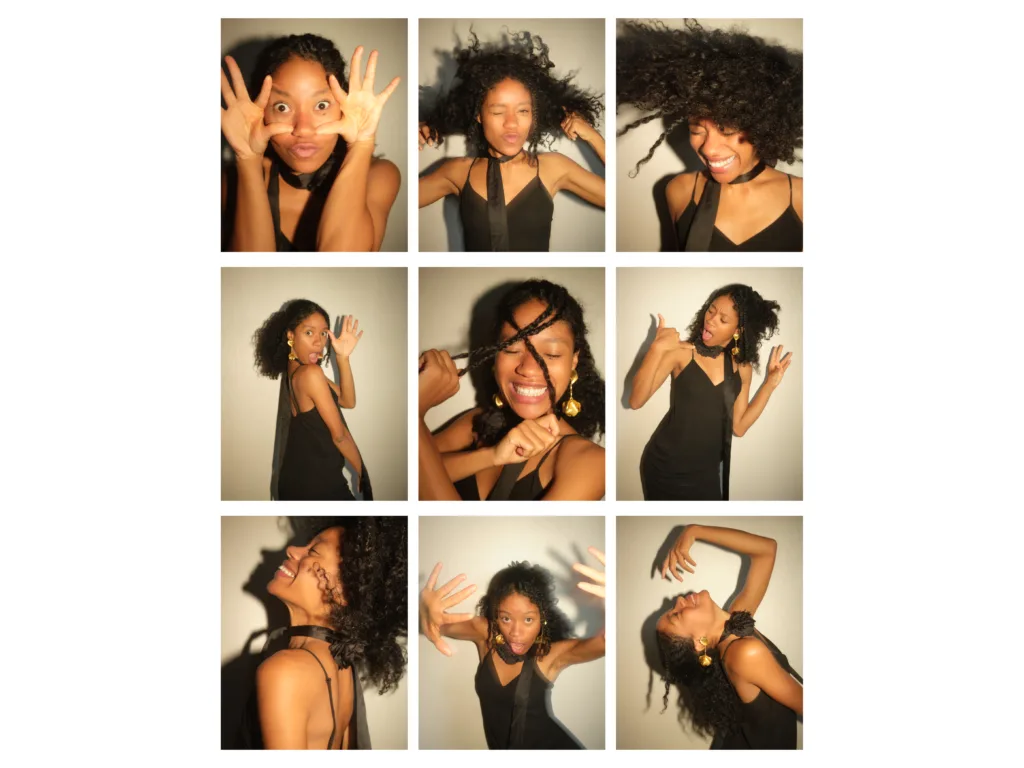
I think of how playing can feel especially restorative for women. We live under the expectation to be serious, to be endlessly responsible, and perfect. What if we didn’t have to navigate the pressure of productivity and performance so dully and drearily? We need to tell ourselves, and each other, that it’s ok to let our hair down and be goofy. When was the last time you ran barefoot on earth, climbed a tree, sent a joke or funny doodle to your colleague at work? When was the last time you made a silly face or tried a cartwheel?
It’s never too late to play
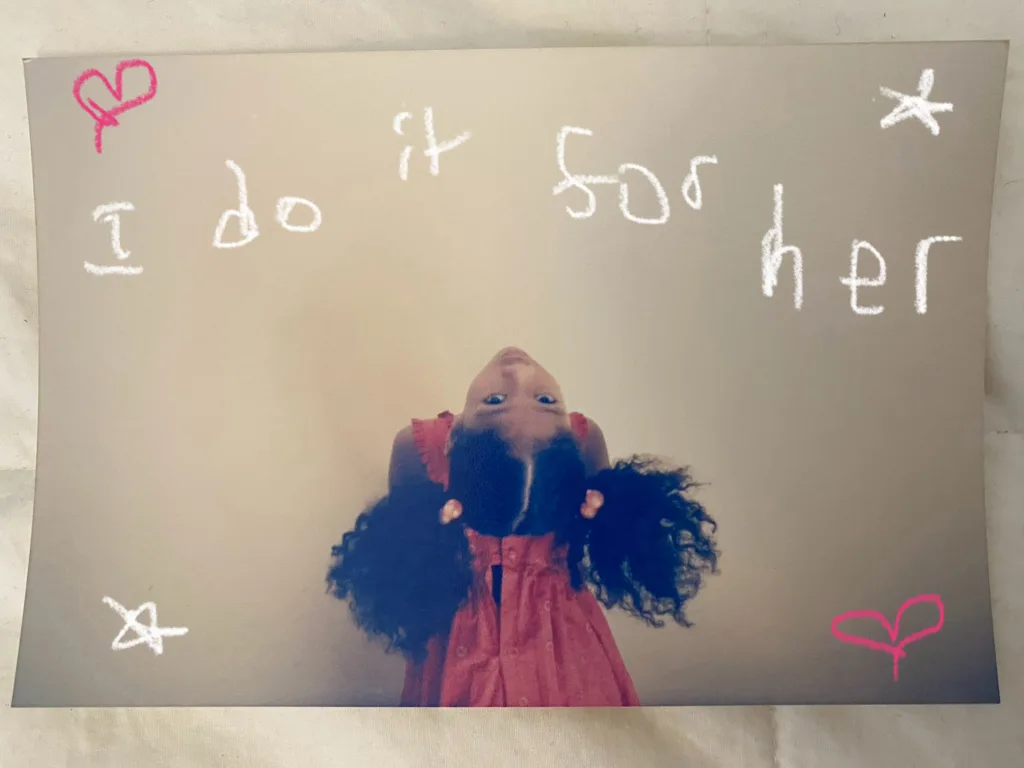
It’s never too late to befriend the kid you once were. Play is a lot more than mere nostalgia. It’s a healing practice that restores balance, lightness, and connection. It is a tool that is available to all of us. There is no price tag and no expiry date. It only requires a willingness to release our grip on expectations and surrender to the unfolding moment. By embracing play, we reclaim not just joy, but also a fuller, richer sense of self.
When life feels overwhelming again, please remember: your inner child is waiting.
Treat your inner child to a healing movie night with these throwback films.