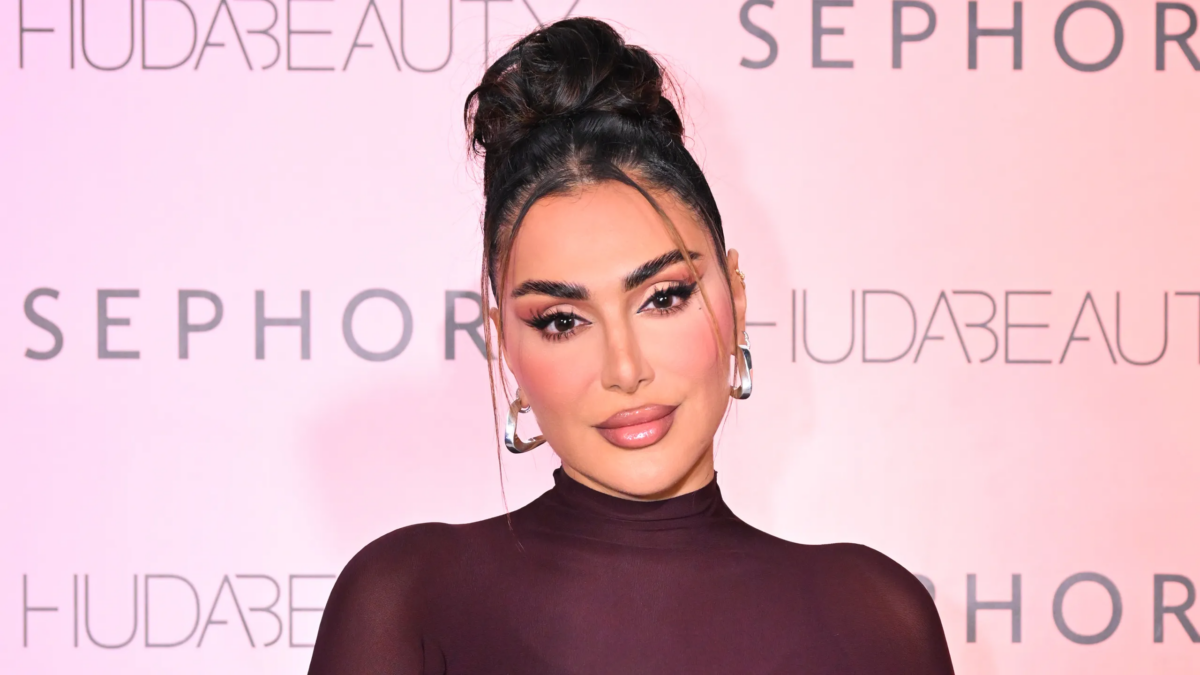
Huda Kattan is synonymous with beauty across the Middle East. If you’ve ever peeked inside a GCC girlie’s makeup bag, chances are that iconic pink Huda Beauty logo is staring right back at you. The Iraqi-American founder has built one of the region’s biggest beauty names, starting with a pair of lashes; Kattan has created an empire with a no-nonsense approach to glam that has turned her into a household name across the region. The Iraqi-American makeup artist, beauty blogger, and entrepreneur has recently been in and out of headlines about her very vocal stance on political issues as much as her viral launches. And it seems like the spotlight has once again landed on Huda.
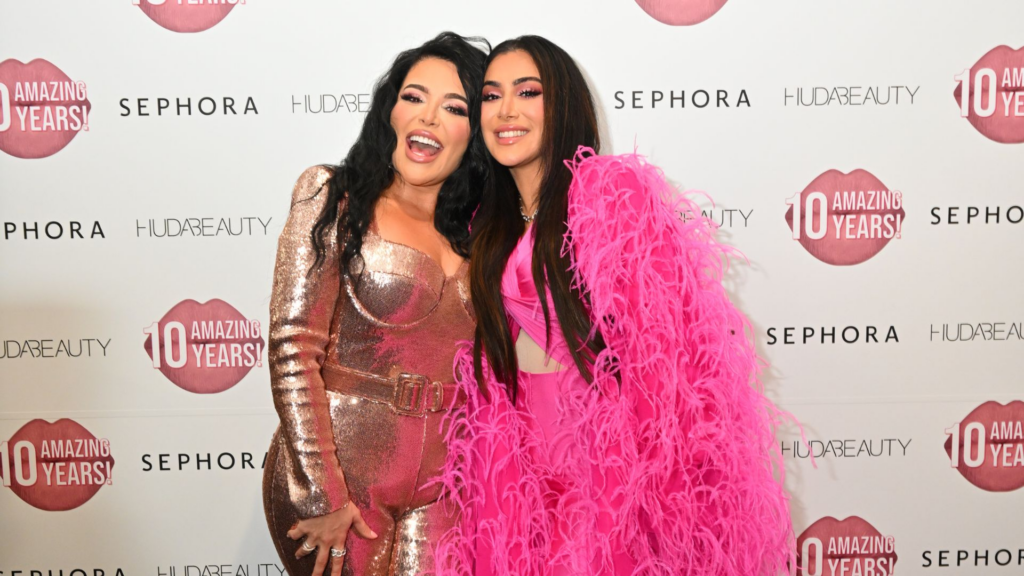
What led to #BoycottHuda?
A hashtag calling for a boycott of Huda Beauty has been gaining traction across TikTok and Instagram, with users posting videos of themselves discarding or destroying Huda Beauty products. The wave of criticism follows an IG story Kattan shared that reposted a video showing demonstrators aligned with the Iranian regime burning images of Reza Pahlavi, the son of Iran’s former Shah, alongside an image of U.S. President Donald Trump.
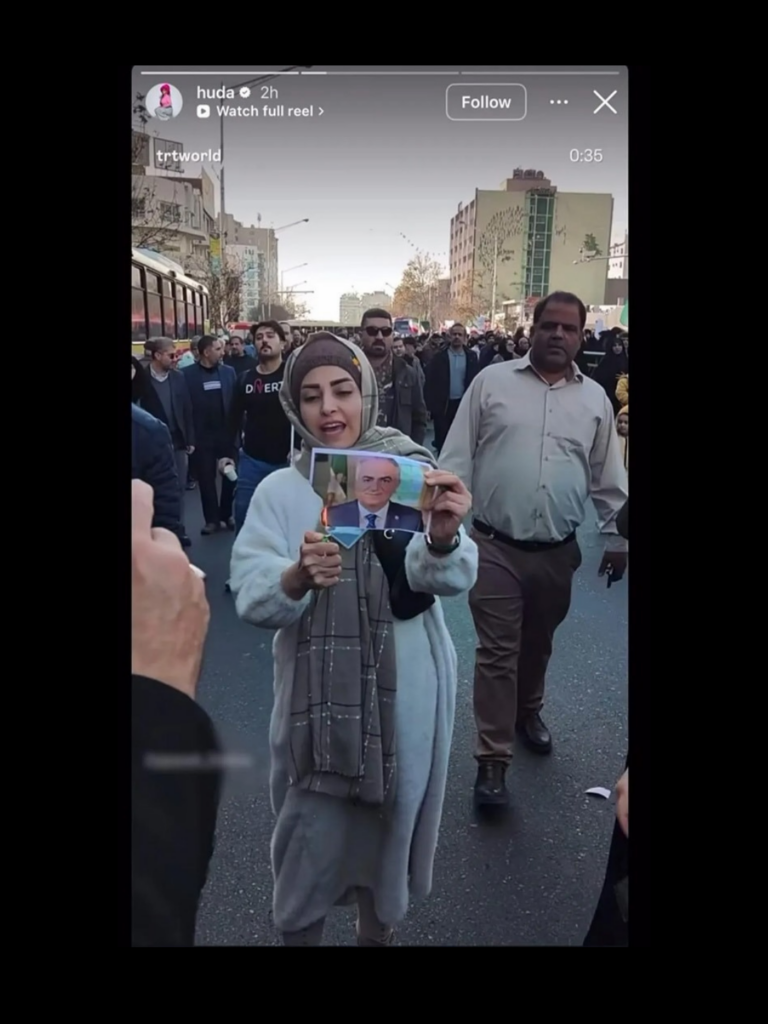
The clip, presented as a protest scene, triggered strong reactions from many Iranian users online. Critics argued that the footage reflected regime-aligned messaging and did not represent the reality or demands of protest movements inside Iran. Many accused Kattan of amplifying propaganda and sidelining opposition voices.
The response was swift. Comment sections filled up with a lot of Persian influencers and commenters, who claimed to be at the centre of Huda’s audience, feeling a sense of betrayal through her comments, with several creators even publicly distancing themselves from the brand and posting videos of them openly destroying their products by Huda Beauty.
Among the widely shared responses was a statement from Iranian model Mahlagha Jaberi, who wrote on Instagram Stories that public platforms carry moral responsibility and that sharing regime-aligned narratives was harmful. Other creators echoed similar concerns, saying that large creators and founders must be especially careful about what they amplify to millions.
Some critics also pointed to what they see as “hypocrisy”, arguing that Kattan, who regularly speaks up on global humanitarian issues should apply the same diligence across all political contexts.
Huda Kattan’s apology
As criticism intensified, Kattan issued a public apology on her IG stories. In the video, she explained that she did not believe she had the authority or sufficient understanding to comment on Iran’s “internal political matters”, and described the repost as an opinion shared without full context. She acknowledged the complexity of the issue and apologized to those who felt hurt or misrepresented.
For some followers, the apology was enough. For many, it wasn’t. Moj Mahdara, the former CEO of BeautyCon and an acquaintance of Huda, also called out Kattan for citing ignorance as an excuse to push an “anti-American and anti-Israel rhetoric over support for the Iranian people.”
Huda’s history
Kattan has never positioned herself as an apolitical businesswoman or creator. Over the years, she’s been vocal about humanitarian causes and has used her platform to advocate and fundraise. She has publicly supported relief efforts in Gaza and previously donated $1 million to humanitarian organisations, including Doctors Without Borders and Human Appeal. She has also contributed to multiple global campaigns, from pandemic relief in India to Asian- American community support initiatives in the U.S.
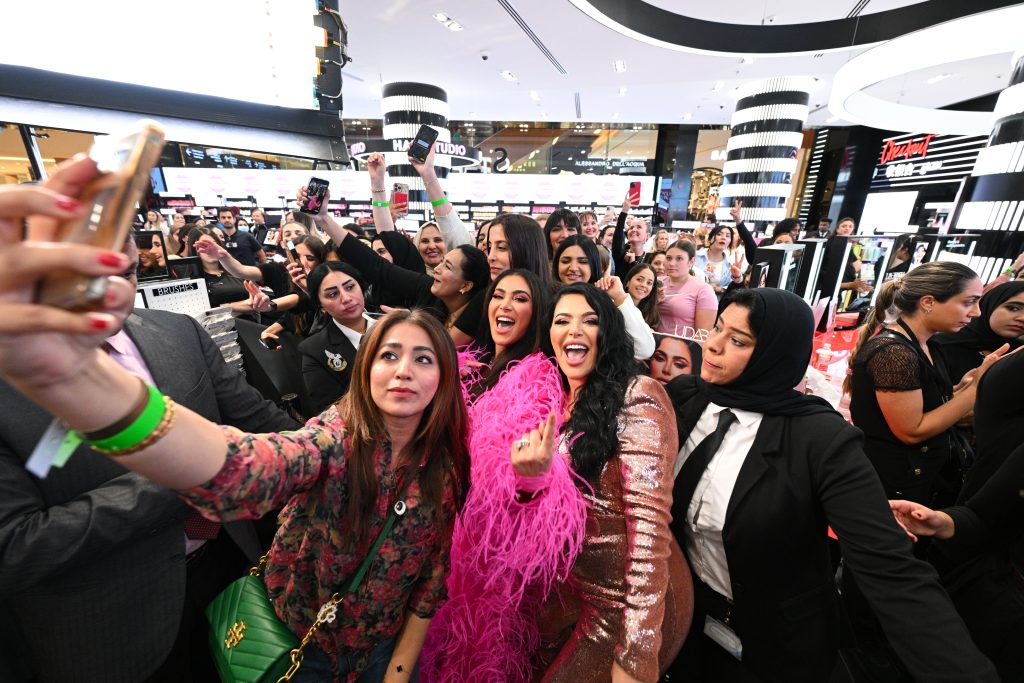
Her willingness to speak out has earned both praise and criticism. In July 2025, Kattan posted a video to TikTok in support of antisemitic conspiracy theories claiming that Jews and Israel were behind World Wars I and II, the September 11 attacks, and the October 7 attacks. The video was then taken down by TikTok, while French cosmetics retailer Sephora pledged to carry out an investigation regarding the event and their partnership with Kattan.
The bigger question
The situation has sparked a familiar debate in the space of online content creation: how much responsibility comes with influence? When a beauty founder is also a media figure with tens of millions of followers, the line between personal opinion and public impact gets blurry real fast.
Is it enough to apologize and clarify intent? Should creators stay out of geopolitics entirely? Or is careful, informed advocacy part of using a platform responsibly?
For now, the conversation, and the comment sections, are still very much active. But one thing is clear, in today’s world an opinion is rarely ever just that.
Next, meet Sophia Kianni, the Irani-American climate activist who is trying to change the world.