
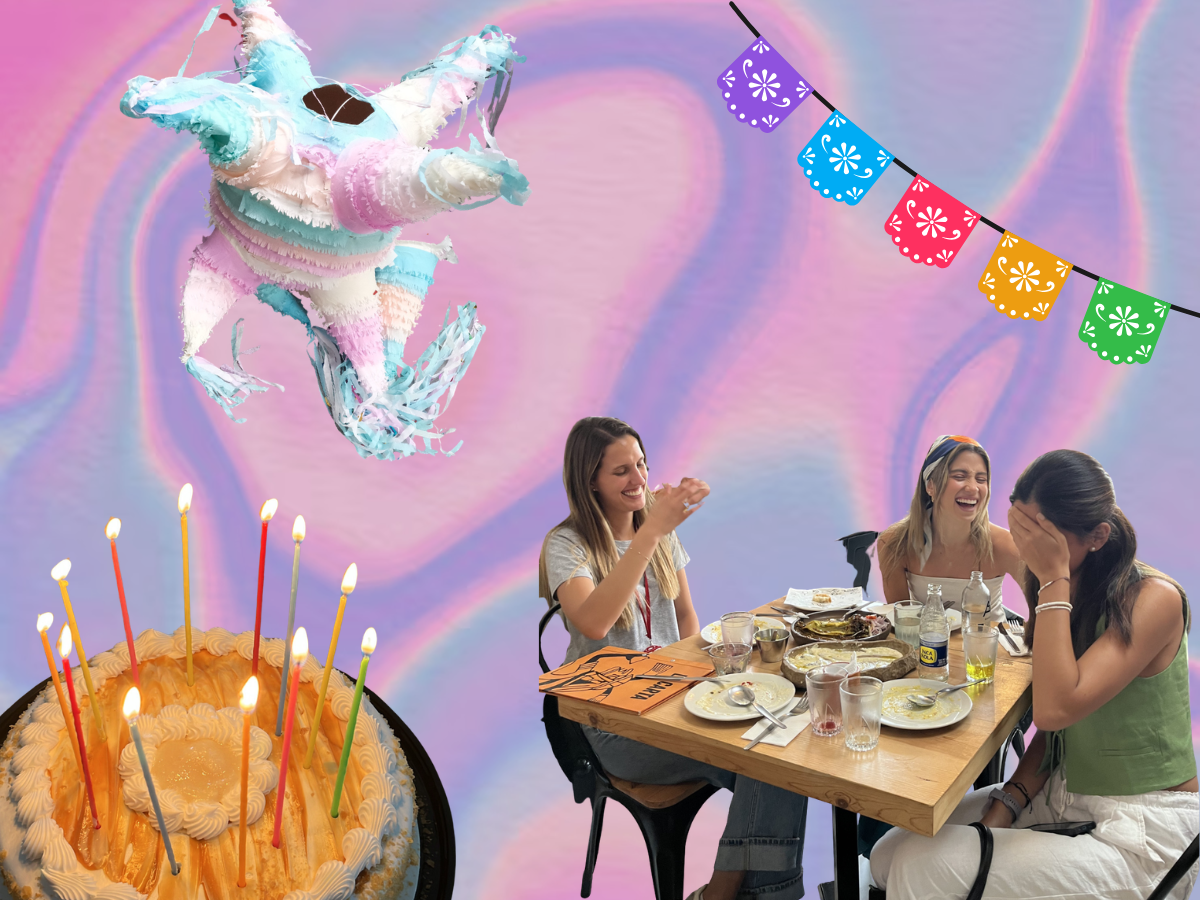
Did you know tens of thousands of Latin Americans are currently living in the UAE? And yes, I am one of them. Moving here almost a year ago honestly felt like a wild move for someone who grew up surrounded by loud dinners, last-minute plans, and a culture where your community is a priority.
The world is wide, and even now, understanding a country from afar is very different from actually living in it. What you see online rarely captures how people really connect or what everyday life actually feels like.
So I moved here pretty much blind. Open-minded but expecting everything to feel different. The biggest surprise a few months in wasn’t what felt unfamiliar; it was what felt like home. Once you start paying attention, it’s actually hard to miss. The similarities aren’t surface-level. They show up in how people act, host, care and connect. Here are a few things Middle Eastern and Latin American cultures seem to have in common:
Food is a big deal

A lot of plans (most of them) revolve around food. You meet for coffee, and it somehow turns into something to eat. You go out on a casual girls’ night and end up sitting there for hours. Even at home, there’s almost always something on the table, whether it’s a full meal or just something small to share.
There’s also a strong mix of influences in both regions. In the Middle East, you see it in mezze-style dining and shared plates. In Latin America, you see it in how cuisines have blended over time, including visible Arab influences like kibbe in Brazil, sfiha, or tacos árabes in Mexico.
The more, the merrier
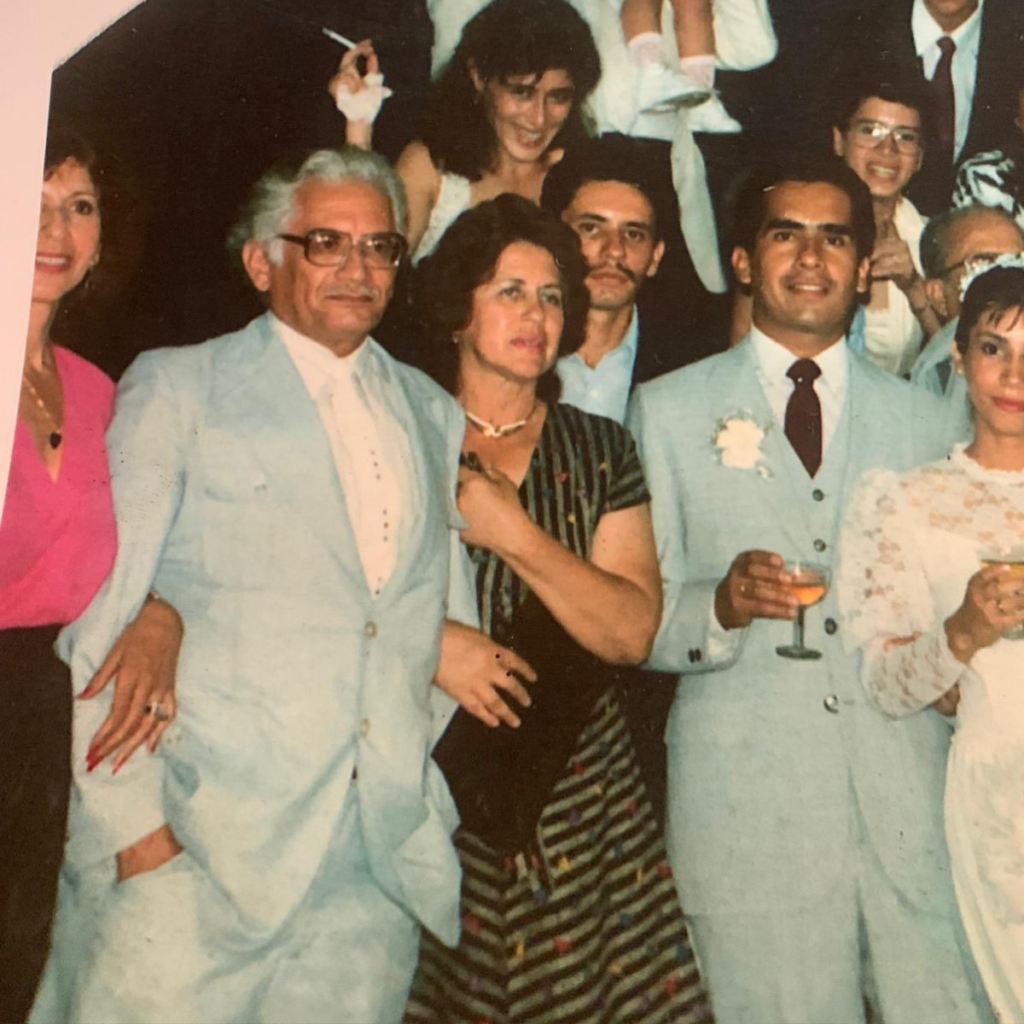
Families in both cultures go beyond the nuclear unit. Grandparents, uncles, cousins, everyone shows up, especially for big celebrations and gatherings. It rarely stays small. It’s also very common to live at home well into your 20s or even 30s, often until you move in with a partner.
The ultimate hosts
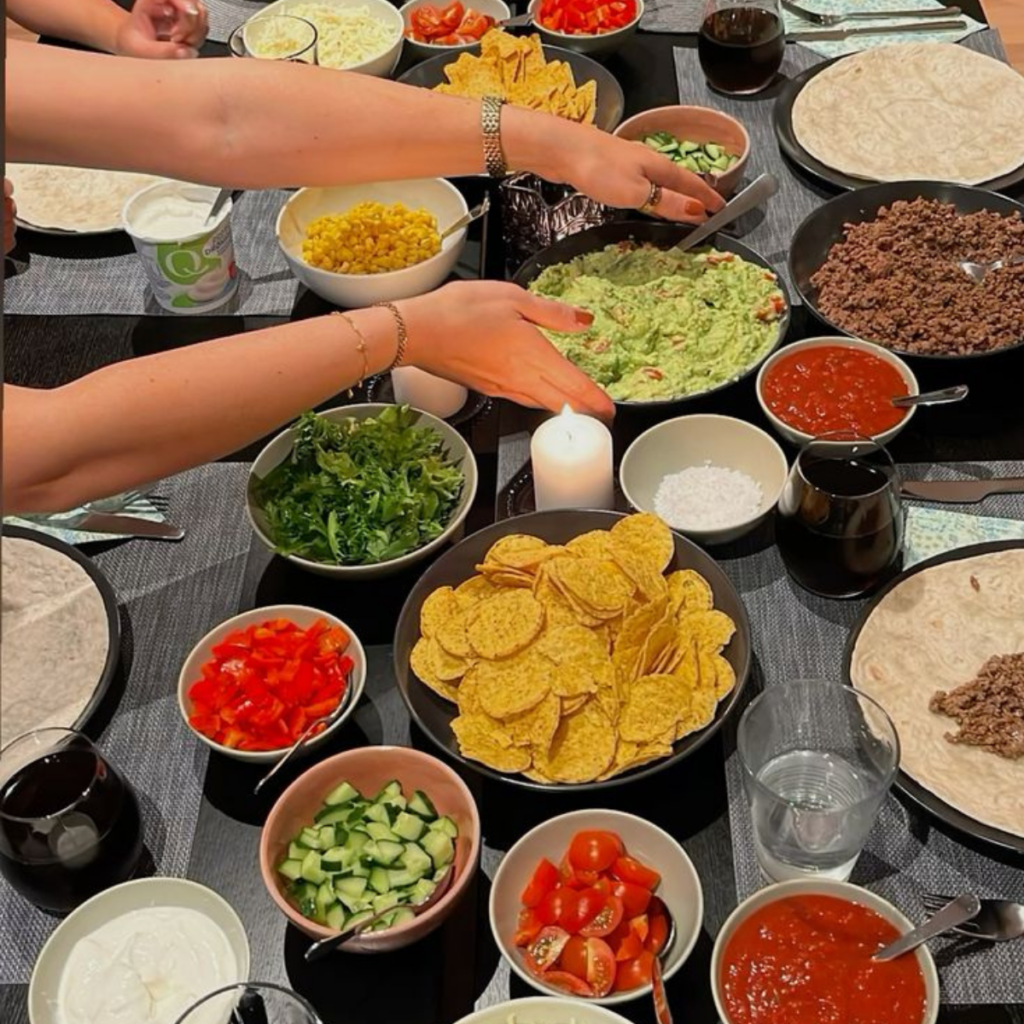
If someone invites you over, they mean it. There’s always food, something to drink, and you’re immediately made to feel comfortable. Even something small, like a birthday, a casual lunch, or a random Wednesday, can turn into a full hosting experience.
More than anything, it feels like a way of giving back to the people you care about. You invite them into your space and make sure they’re looked after.
Big weddings are kind of the standard
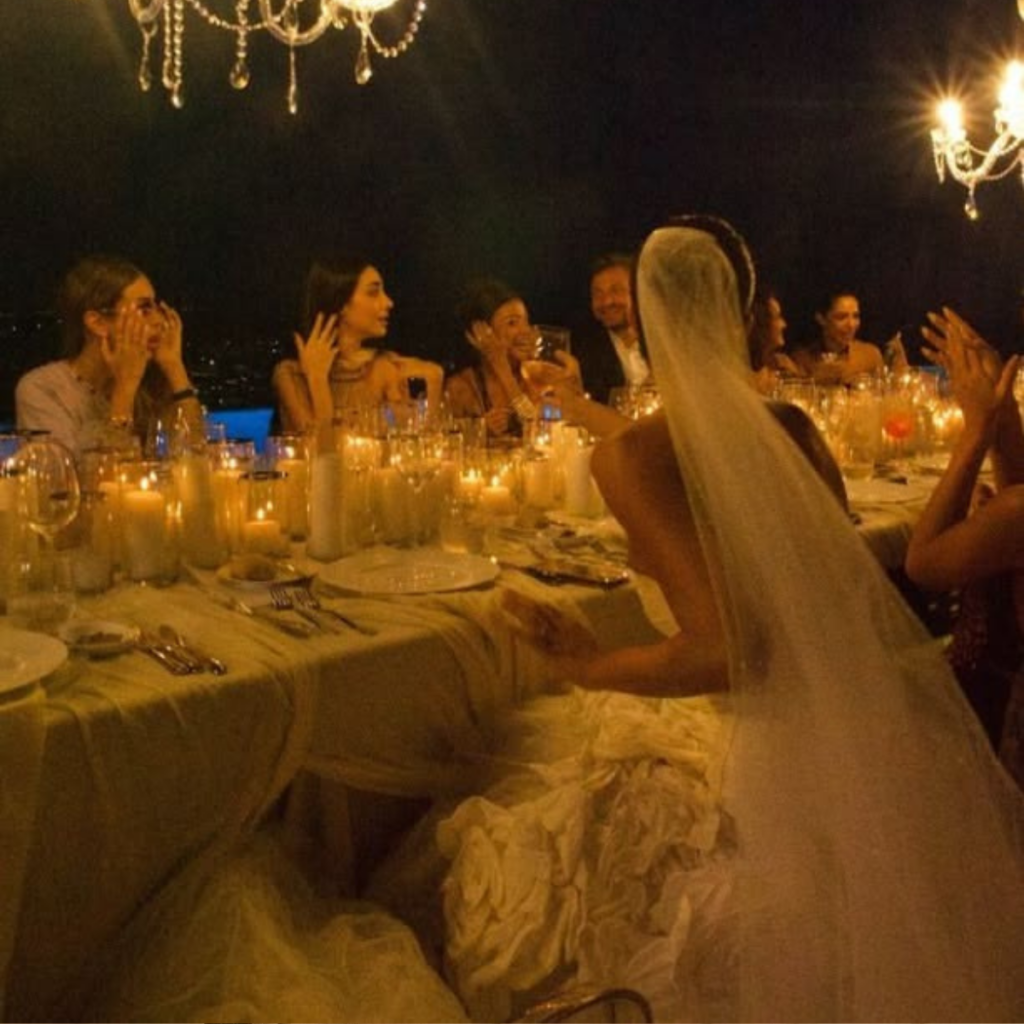
Weddings are made for the couple, but also for the guests. They’re usually big celebrations where you don’t really hold back. Long guest lists, full tables, music, multiple courses of food, everything happening at once, and often more than one event leading up to it.
In Middle Eastern weddings, it’s common to have large-scale celebrations with traditions like the zaffa, the entrance with music and drums, or separate gatherings before the main event. In Latin America, weddings follow a similar energy, long receptions, packed dance floors, symbolic moments like the lazo or arras, and celebrations that go on for hours.
It’s less about keeping things small and more about making it a shared experience.
Life is built around people
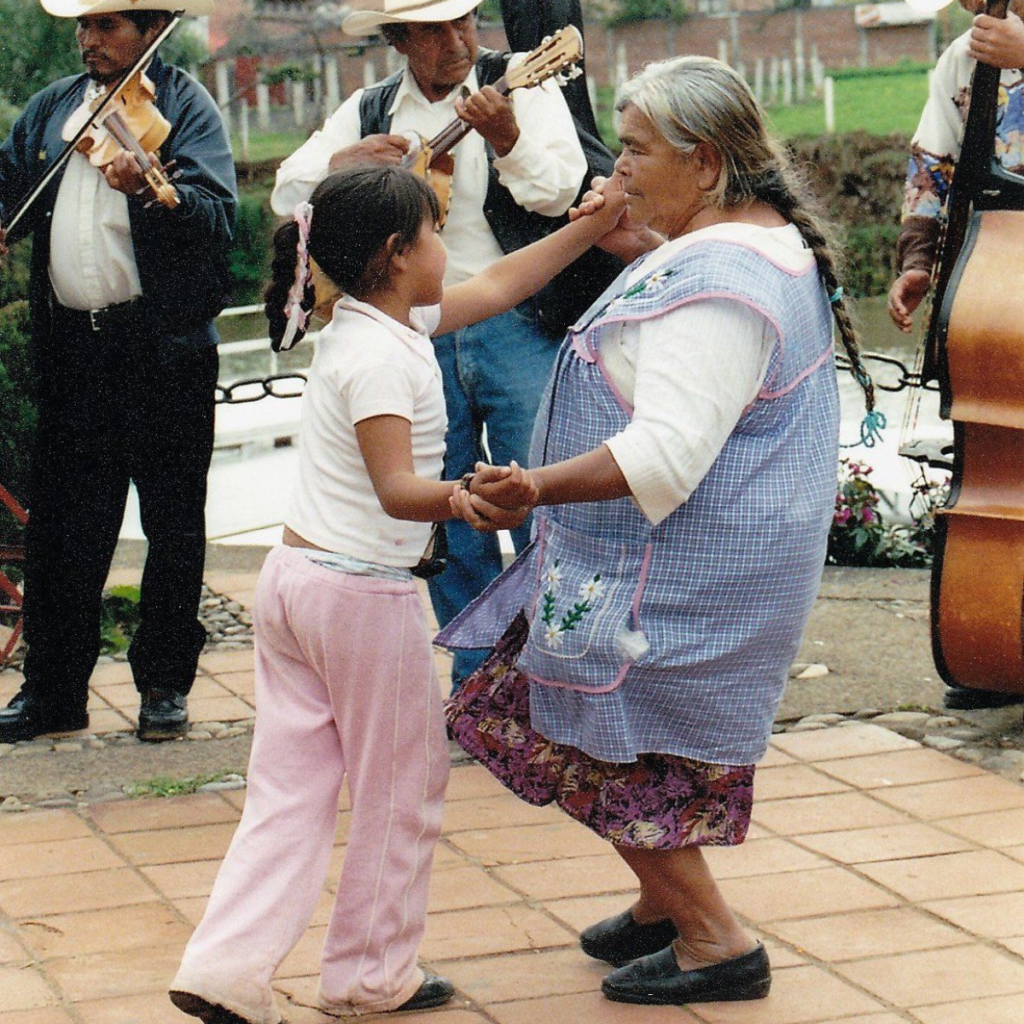
A lot of life is shared. Decisions aren’t always made on your own. Family opinions matter, friends are involved, and there’s a natural tendency to think in terms of we before I. Even socially, most plans are built around groups. Dinners are for sharing, events are about showing up together, and it’s normal for plans to grow as more people join.
It feels different from more individualistic cultures, where independence and personal space tend to be more defined. Here, people stay in your life in a much more present way. Your life overlaps with other people’s lives constantly. It can feel like a lot at times, but it also means there’s always someone to lean on.
Meet Joe Challita, “The Guardian of Lebanese Fashion History” next!