
Creamy, shiny marble tiles. An understated floral aroma. Most of all, the merciful cold blast of the air-conditioning. Your pace slows, your body relaxes. You forget the humidity of Bangkok or the traffic of Dubai, the smog of Beijing, or the desert heat of Arizona. You stay still on the escalator, looking across an open atrium, a skylighted roof, and undulating, open floors. You take a deep breath, and recognise that inexplicable sensation: the gently numbing comfort of a mall.
Last year, while on a month-long writing residency in Hong Kong, I suffered from a peculiar bout of existential solitude. I was moving between cities and had just ended a major relationship. I lived in a campus hotel in Kowloon with two twin beds, one perennially empty. Every morning, I went on long uphill runs in the foggy mountain range beyond the university, but endorphins could not cure the melancholia. When the feeling became too intense, especially as the daylight waned and I’d already roamed the city, I walked fifteen minutes to the closest mall, Festival Walk. As soon as I passed through its revolving glass doors, a wave of relief washed over me.
I took in the bakeries and coffee shops, the familiar and unfamiliar brands, the basement supermarket with the abundant array of global ready-made foods: Hainanese chicken, dimsum, takoyaki, grain bowls, and mango sticky rice. Amid the loose throngs of people strolling along the immense, warmly-lit space, my solitude began dissolving. I was in a familiar place, an every-place.
This is to say: for those far away from home, or alienated from a sense of home, malls are a sanctuary and a salve.
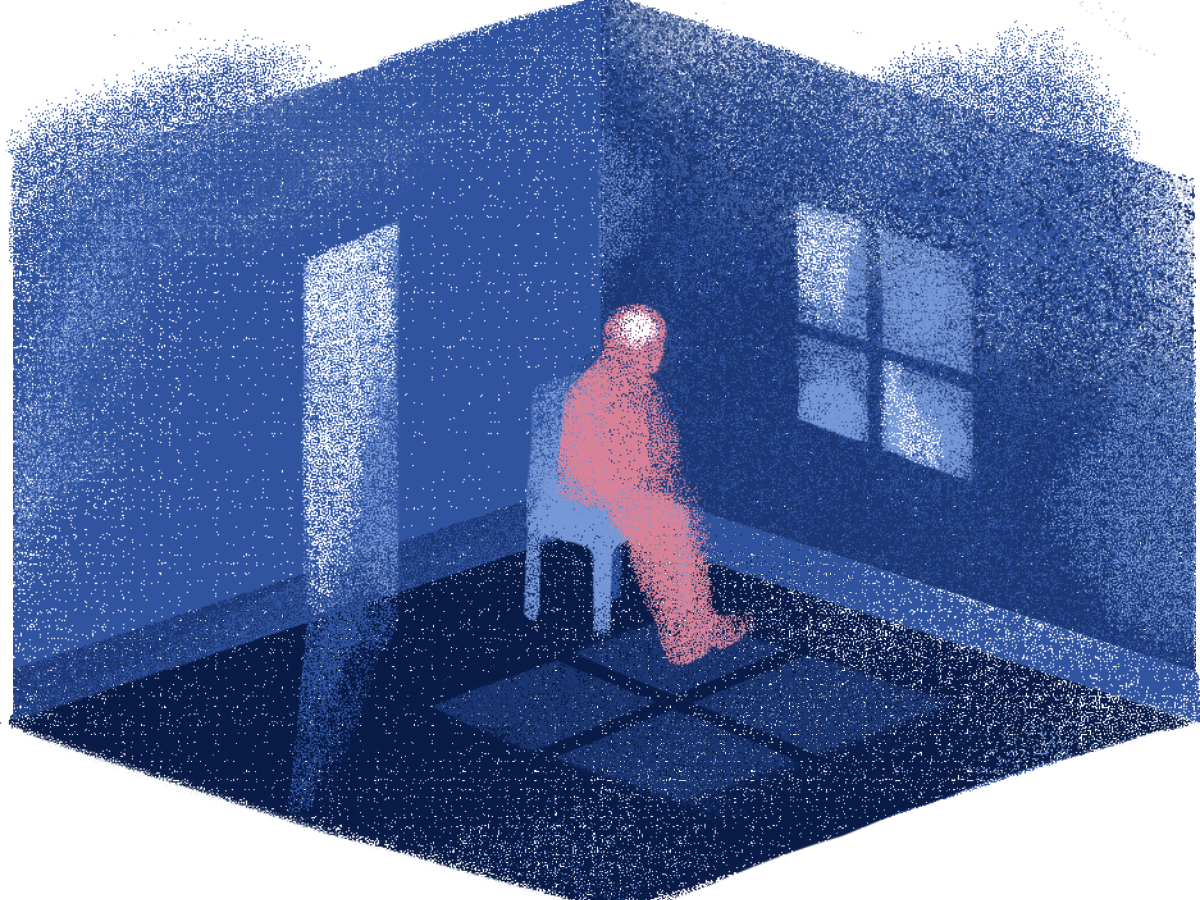
@littleghostworld Do not enter. #art #drawing #stopmotion #watercolorillustration #watercolorpainting #spookyart #deadmallsofamerica #deadmall #stopmotionpaper ♬ A faint signal – Infinity Frequencies
Is loving malls embarrassing?
Maybe. But it is not about spending and capitalism. Malls in the U.S., where I live, may conjure a Black Friday trip to a cramped department store, or a suburban shopping center with a sprawling parking lot, a BestBuy and an empty food court. I do not love American malls. Malls in many other parts of the world, however, are not about a quest for consumption. They aren’t a blocky island amidst a sea of asphalt parking off a highway ramp. I’m talking about urban malls of Asia and the Middle East, often sleek, glassy structures connected to a subway system underground. They are a transition space between public transportation and the thoroughfares outside, the business districts and offices. And when you are inside, they are not about being on a mission to purchase. They are about walking. They are about escape.
A walk through Dubai Mall
Walking through the Dubai Mall on a recent visit, I roamed inside the Kinokuniya bookstore, as big as a public library in many cities where I lived. I strolled the aisles of a Lulu Hypermarket, admiring the South Asian sweets and dates selection. I gazed at the sharks in the aquarium. They were the only reminder that I wasn’t quite in the Shanghai malls of my childhood, with their seemingly endless expanses of floors, with storefronts from all over the world. The cinema at Super Brand Mall, my favourite, had replicas of the statues guarding the temples of Abu Simbel. There was an ice rink on the top floor where my middle-school friends and I skated in circles, forgetting our snowless childhoods. An arcade, a foreign-language bookstore. An H&M where I made my first sartorial purchase: a pair of black, synthetic silk elbow-length gloves, perhaps in homage to Audrey Hepburn.
Retail therapy for mental regulation
I say it’s not about consumption, but of course, you caught me. The familiar stores luring our inner teenagers are there: there will always be an H&M, a Zara, a Sephora, an Aldo and a l’Occitanie, a Claire’s and a Watsons, a Muji and a Miniso. That is also the comfort of a mall: perhaps we will buy something that will make us beautiful. We had these thoughts once, in another country, in another past. These global brands are part of the standardising force that makes so many malls generic, much like the duty-free shopping sections of international airports: you can hardly tell what country you are in. The Clarins and the Toblerone; the Marlboros and the Hennessy. You’ve seen them before, on another layover. And yet there is something soothing in the blandness. As Rem Koolhaas wrote in his essay The Generic City, a generic place is “a city without history. It is big enough for everybody. It is easy.”
No pressure spaces
Ease and amplitude–maybe, some days, that’s all you need. Malls, fundamentally, demand nothing of you: no culture to check off the list, no rush of traffic, no bumping carts. They are for bad days, days with emptiness to fill. You can be among people, but you don’t have to talk. You can inspect displays, but you don’t have to buy. The architecture beckons you not towards a particular destination, but to roam, to look around. You might smell the buttery aroma of a waffle cone. You might walk into a clothing store and touch a cashmere sleeve. You might chuckle at a snoring father on a leather couch under an artificial plant. You might think to yourself: I could be anywhere in the world right now. And for those who were once or still are children between worlds, that is a place of comfort.