
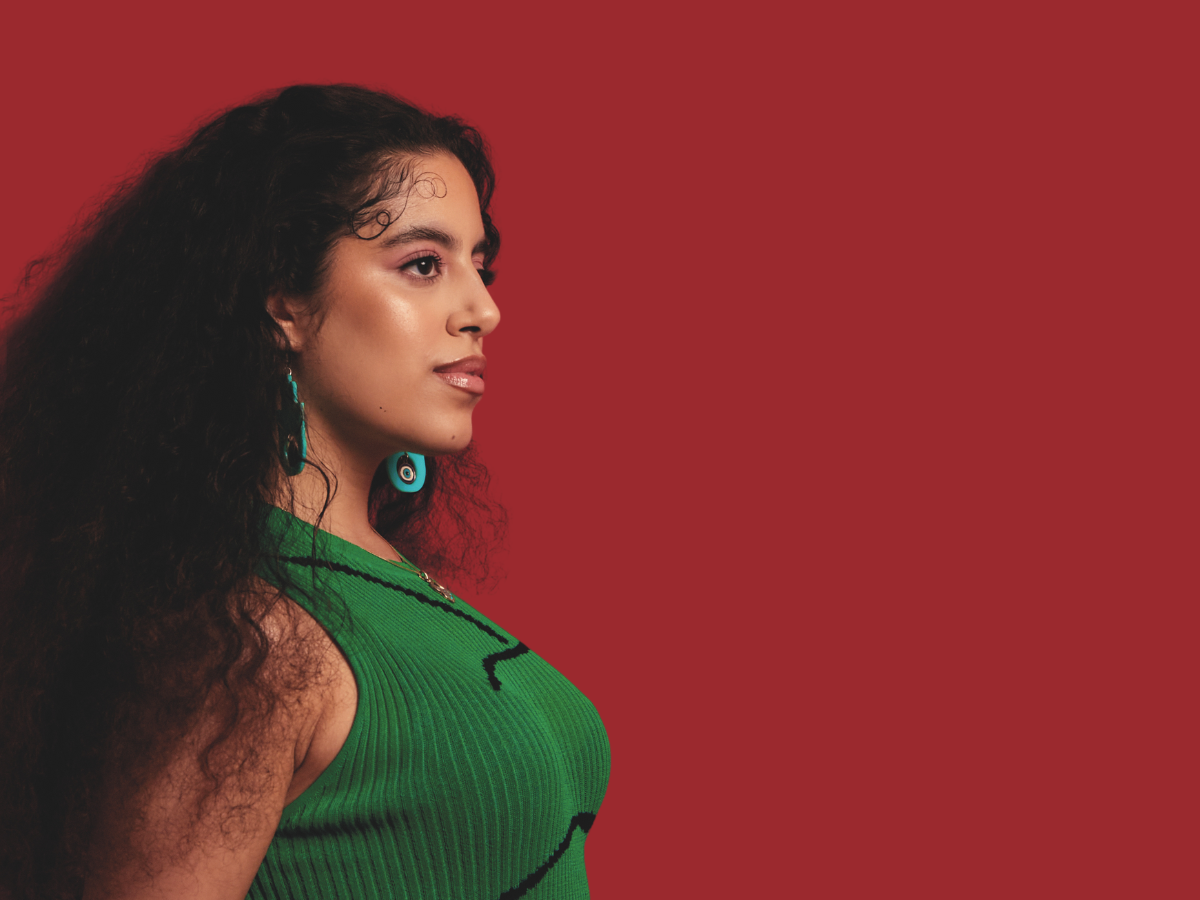
Nooriyah Qais has lived across continents, including Saudi Arabia, Japan, and now London. No matter where she’s planted herself, she’s carried her Arab identity with her. The DJ and founder of the London party Middle of Nowhere has spent the last decade carving out space for SWANA sounds in rooms that weren’t built for them, proving that music is never just music; it’s a form of resistance, archive, and art all at once. In conversation with Cosmopolitan Middle East, she talks about the importance of representation, her family’s role in her artistry, and what is next for the star.
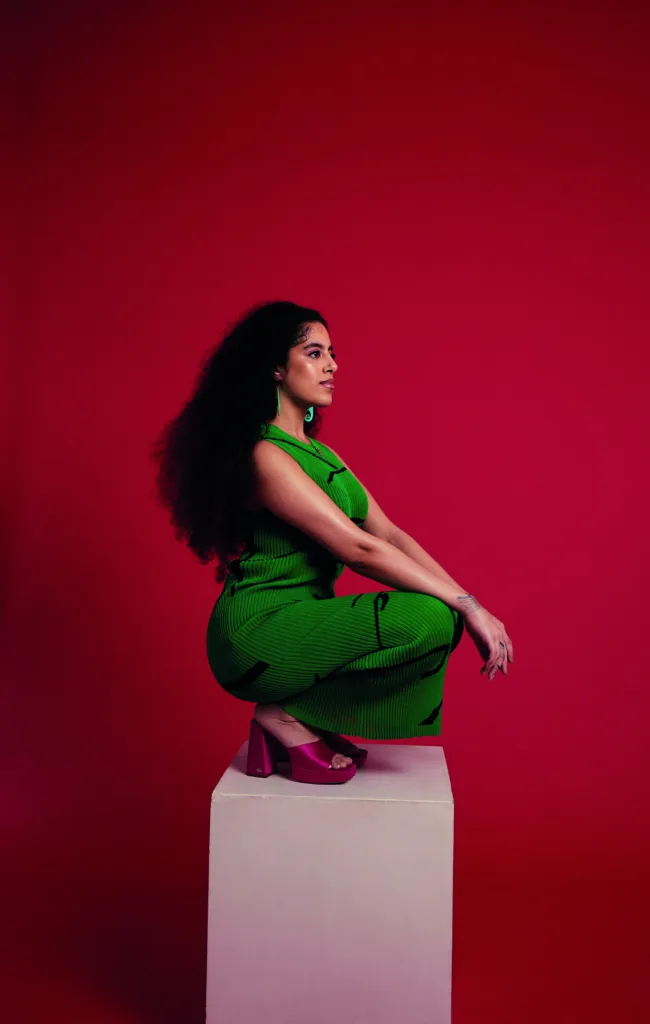
Cosmo ME: You have a background in public health, often tied to the desire to change the world. How has that initial drive to make an impact evolved through your journey into music and DJing?
Nooriyah: I honestly had to grieve the letting go of public health because the work was rewarding in a different way than music, despite the overlap. I used to work on projects that tackled severe health inequalities, such as why different areas in London had different suicide rates and child food provision in global conflict zones. Music does allow us to attempt to change the world, but from a different angle. It fulfils me so much to have contributed to showcasing how SWANA music deserves a seat at the global musical table and to contribute to how the sounds can be played alongside any other genre, whilst destroying stereotypes of what it means to be Arab. I do think music and dancing are an undeniable positive pulse for the world’s mental wellbeing.
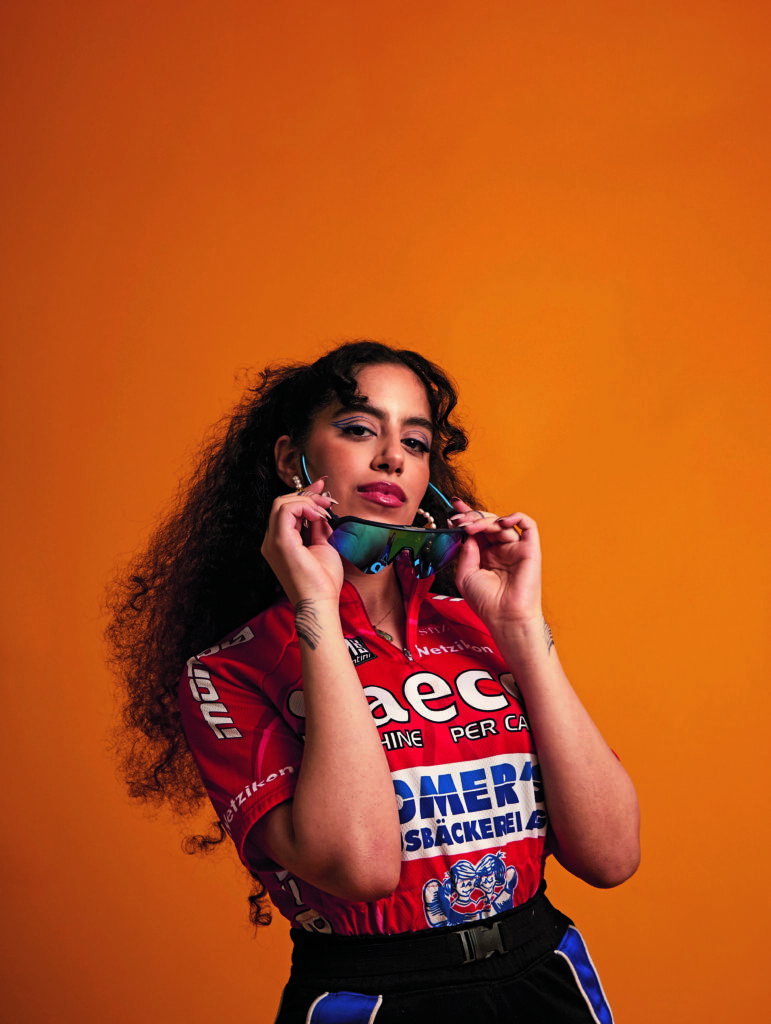
Cosmo ME: What was it like sharing that viral Boiler Room set with your dad? How has your family shaped your musical identity?
Nooriyah: It made no sense to curate the first SWANA line-up in UK history without baba on oud. My grandparents were date farmers, and baba’s generation in the family had to work super hard to build an easier life. The oud has been Baba’s best friend since he was a teen. They’re so attached at the hip that he plays it even when on the toilet. Baba is a natural musician. He plays keys and string instruments. I felt that his performance set the tone. It was an older generation meets new. It was music being a form of shared love. It was a daughter-baba example that I felt was important to see, especially since he shaped a lot of my taste in every car ride we had together as a kid, everything from Neil Armstrong to Fairuz.
Cosmo ME: Tell us about the London event “Middle of Nowhere” that champions SWANA voices.
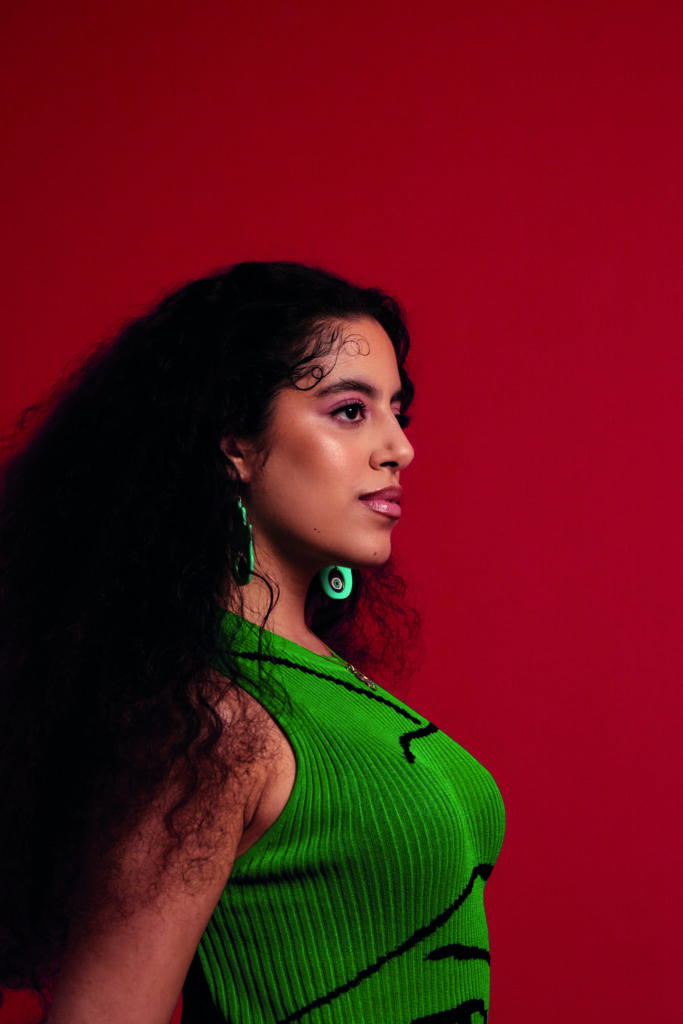
Nooriyah: I reached a place where I was feeling bored of the repeated curations and music played in events and club nights that existed in our space. I didn’t want to create something that excluded itself by only playing SWANA music. I didn’t think something like that would progress the narrative at all or help reshape how SWANA music was engaged with at large. Middle of Nowhere is a playground for me to bring the ideas and curations that pushed the envelope further. It was a way for me to show how SWANA sounds deserve an equal space as any other sound on the global music table and to inject SWANA music in a more engaging way so that the market for artists is widened and more importantly to show how the sounds can be played alongside any other genre.
Cosmo ME: You’ve been vocal about representation in music, particularly through your talks and panels like Beatport Presents IMS Dubai. Why do you feel these conversations are crucial, and what kind of change do you hope to see in the industry?
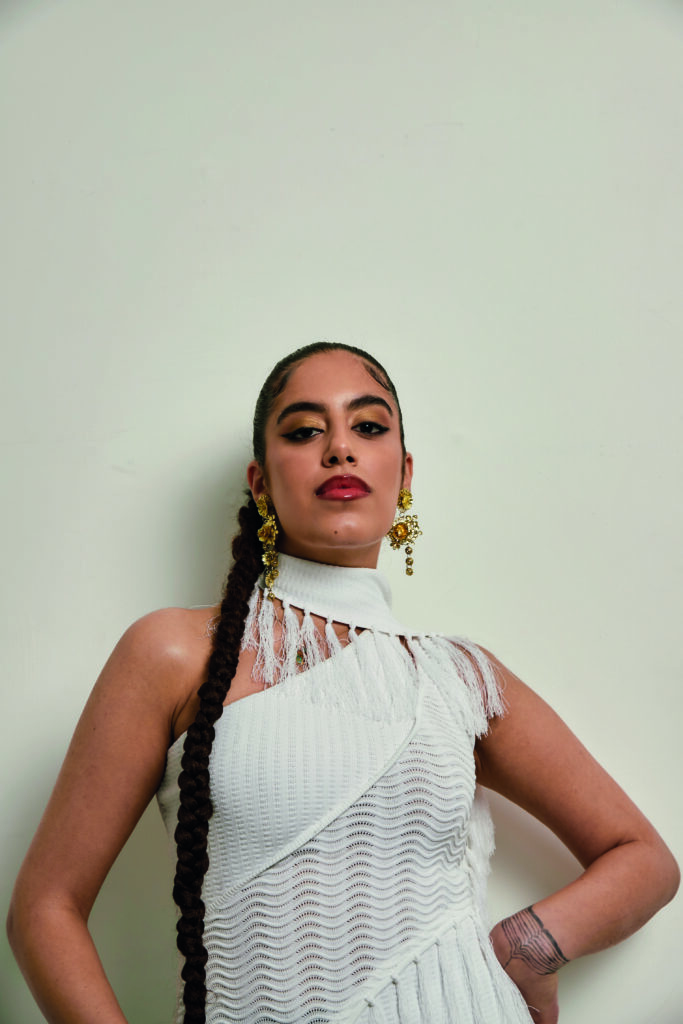
Nooriyah: They’re crucial because music itself would be so boring without diversity of thoughts and taste and cultures, so I believe representation is immensely important for the future ecosystem of music. The biggest change I personally want to see is music production software makers taking into account all the rich musical systems across the world, instead of centralising the Western musical theories and scales.
Cosmo ME: When you’re behind the decks, what are the moments that make it all worth it?
Nooriyah: There’s a moment that’s hard to describe as it is one that is only felt. A moment of true connectedness: it is when the entire room is in it together, when nearly every person is completely engaged with the music I’m playing and engaged in the movements I’m making. There’s nothing like it. It feels like a dance between two people rather than a whole crowd.
Cosmo ME: What is next for you?
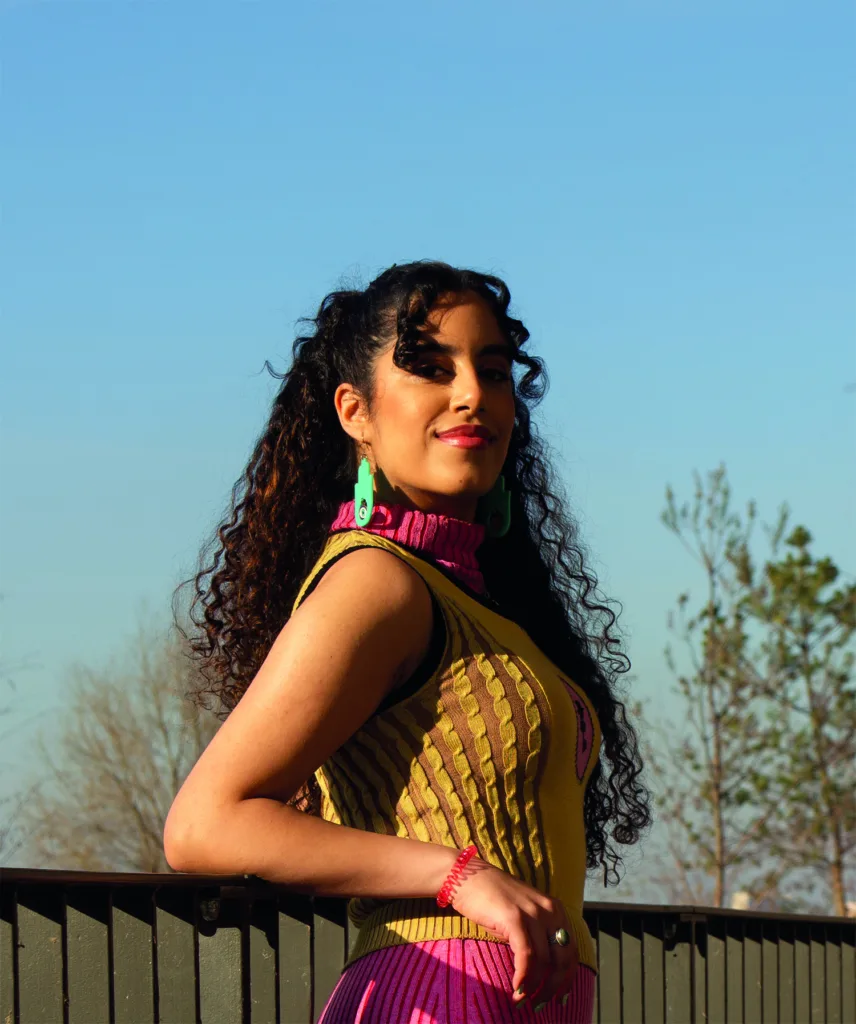
Nooriyah: At the moment, I am working hard on stage production and design, bringing those elements to be even more present in my upcoming European tour shows. I am excited about painting an entire musical and visual world and signature sound around me. Personally, I am currently excited to learn all Mama’s recipes so I can stop requesting dishes as much as I do when I’m back from tour.