
When Safiyya Mansoor lost her first baby in 2014, she found herself surrounded by silence, both medically and emotionally. Friends didn’t know what to say, people avoided eye contact, hesitant to walk the line between empathy and pity, and her South Asian community treated grief as something shameful, almost curse-like.
So Safiyya pushed her grief down too. She lived a double life: a successful career woman in London who seemed to have it all, but in private, a grieving mother carrying heartbreak that no one acknowledged.
That was until 2020, when the global lockdowns forced Safiyya to face her grief. Pushing past a culture that expected her to simply “move on” from baby loss, she chose instead to heal.
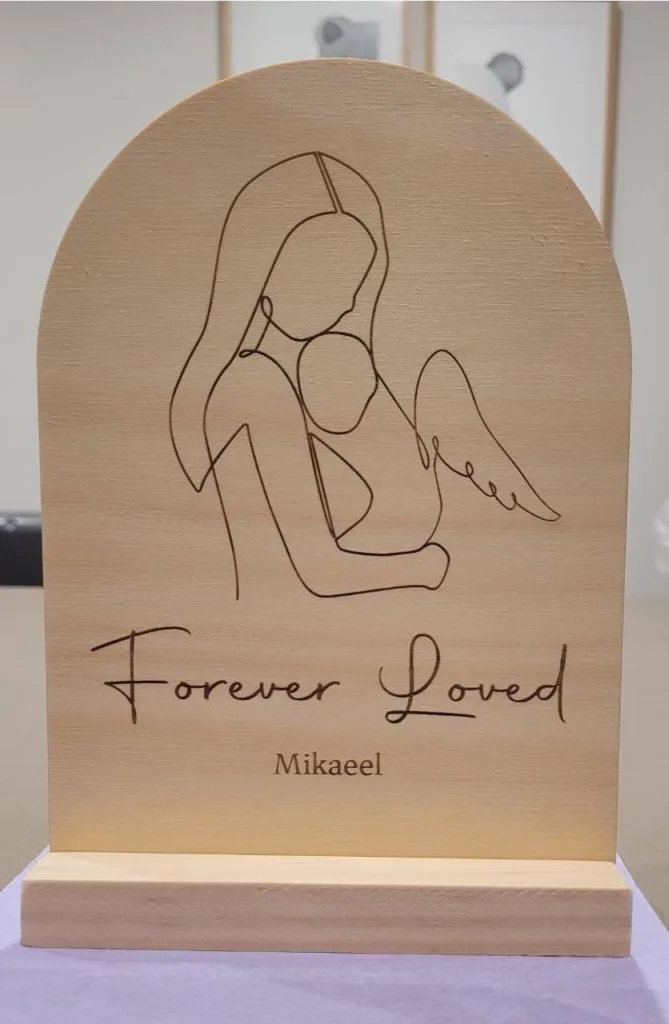
Now based in Dubai, the 38-year-old mum to three boys—two angels, Mikaeel and Jibreel, and one little boy earthside, Khaleel—has turned her personal pain into purpose. Using her background in childcare and her skills in content creation, Safiyya has opened up about her journey of loss, secondary infertility, and parenting after grief. Her social media posts act as both an outlet and a bridge, connecting her to other parents who’ve walked a similar path.
“After years of hiding my grief, I realised that by not talking about my experiences, I wasn’t just betraying my own body, I was also letting down other women who might be going through the same thing,” she explains. “For years, I suppressed my grief and rarely spoke about miscarriage as that was the right thing to do. But it was so isolating.”
At her core, Safiyya is “fiercely protective of the memory of [her] boys.” It is in their honour that she continues to help others who may be going through the same.
Statistics show that one in four pregnancies in the UAE ends in a miscarriage. In the UK, at least 50% of people will experience baby loss at some stage, and the other 50% will know someone who has. Yet with the stigma and taboos surrounding the topic, many feel paralysed when it comes to supporting grieving loved ones. Safiyya believes most people want to help, but just don’t know where to start.
For this year’s Baby Loss Awareness Week (9–15 October), she opened up about the small yet meaningful ways her loved ones could have been there for her. Because comfort is as much about how it’s received as how it’s given.
Validate the loss
Acknowledge that grief is real, whether it was an embryo loss during fertility treatment, baby loss during pregnancy or birth, or was a neonatal death – all losses count. Avoid minimising statements or clichés like “you’ll have another baby” or “at least it was early.” An honest “I’m so sorry” is far more powerful.
Just listen

Grieving parents often need space to talk openly about their baby. Sometimes the greatest gift is listening without trying to fix the pain. “Being able to talk openly about my babies and my feelings was the most healing thing I could do,” explains Safiyya.
Avoid unsolicited positive thoughts
Skip the toxic positivity, while meant to comfort, comments like “it was meant to be” often leave grieving parents feeling misunderstood and ashamed of feeling sad or angry. Let them feel those emotions without guilt.
Recognise triggers
Simply seeing a pregnant woman, a new born, or a pregnancy announcement can be painful. Baby showers, hospital visits, and even casual reminders may sting. “After my first loss, I struggled with secondary infertility for 8 years and I found it incredibly hard to work in the childcare field,” explains Safiyya. A quick, acknowledging “I know this might be hard for you,” goes a long way.
Remember special dates

Mentioning and honouring anniversaries, birthdays, or due dates shows that the babies are not forgotten, one of the biggest fears of a loss mama. “My closest friends make a point to mention Mikaeel and Jibreel, our angel babies, on special moments like birthdays or anniversaries because those are the most difficult days,” recalls Safiyyaa.
Mention the baby

Asking about the pregnancy, the birth experience, or the baby can help parents feel seen rather than invisible. Break past the tendency to hush the topic. “I have noticed more people reaching out when I share about my boys or if they have suffered a miscarriage and have no one else to talk to; speaking up can create change and that no parent should feel alone in their grief,” says Safiyya.
Offer practical help
Sometimes support isn’t only emotional. It’s a hot meal, a lift to an appointment, or company during a hospital visit. Grief is exhausting, and a well-intentioned helping hand is unmatched.
Understand different grieving styles
Every parent processes loss differently. Some talk openly; others retreat. Respect both approaches. “My husband and I grieve differently, I’m vocal and expressive, while he leans on faith and opens up slowly. Respecting individual coping methods is key to providing the right support,” Safiyya explains.
Be there during appointments or hospital visits
Hospital visits can be overwhelming and triggering. Simply accompanying the parent, offering reassurance, or helping with practicalities like transport or paperwork can make a huge difference, ensuring they don’t feel alone during such a difficult time.
Encourage safe spaces for grief

It was a grief support group for bereaved parents that finally helped Safiyya put words to her internal struggles. “When you’re in the thick of grief, it’s hard to find the right support. It took me six years to join a grief support group alone, but with encouragement from a loved one, I would have joined much earlier,” she explains.
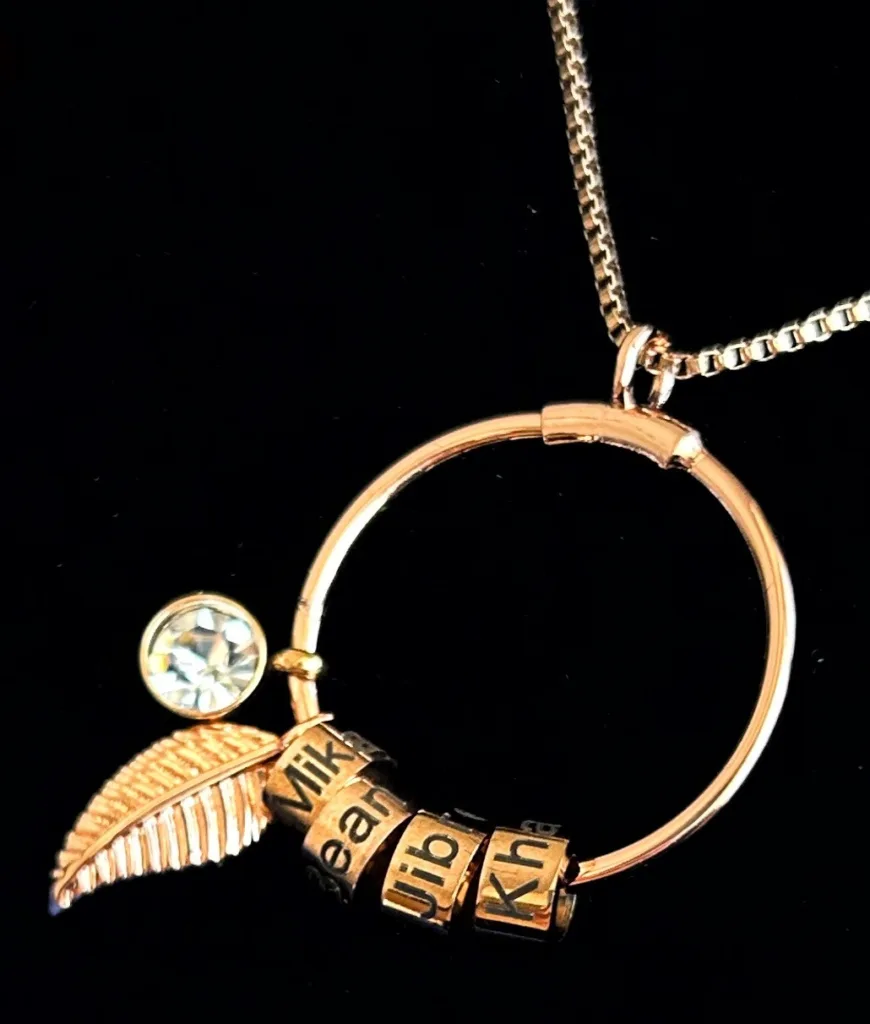
For Safiyya, the gestures that meant the most were often the smallest: a gifted personalised necklace engraved with her sons’ names, friends mentioning Mikaeel and Jibreel on anniversaries, or receiving a simple message from her friends about her babies, like a “this made me think of you.”
“There is nothing wrong with you if you’ve experienced baby loss,” she says firmly. “I never want any woman who has lost her baby to feel like she is alone, the more we speak about our experiences, the more we are able to process our grief without shame and we can support one another in a way that honours our babies but also lets us be hopeful about the future.”