
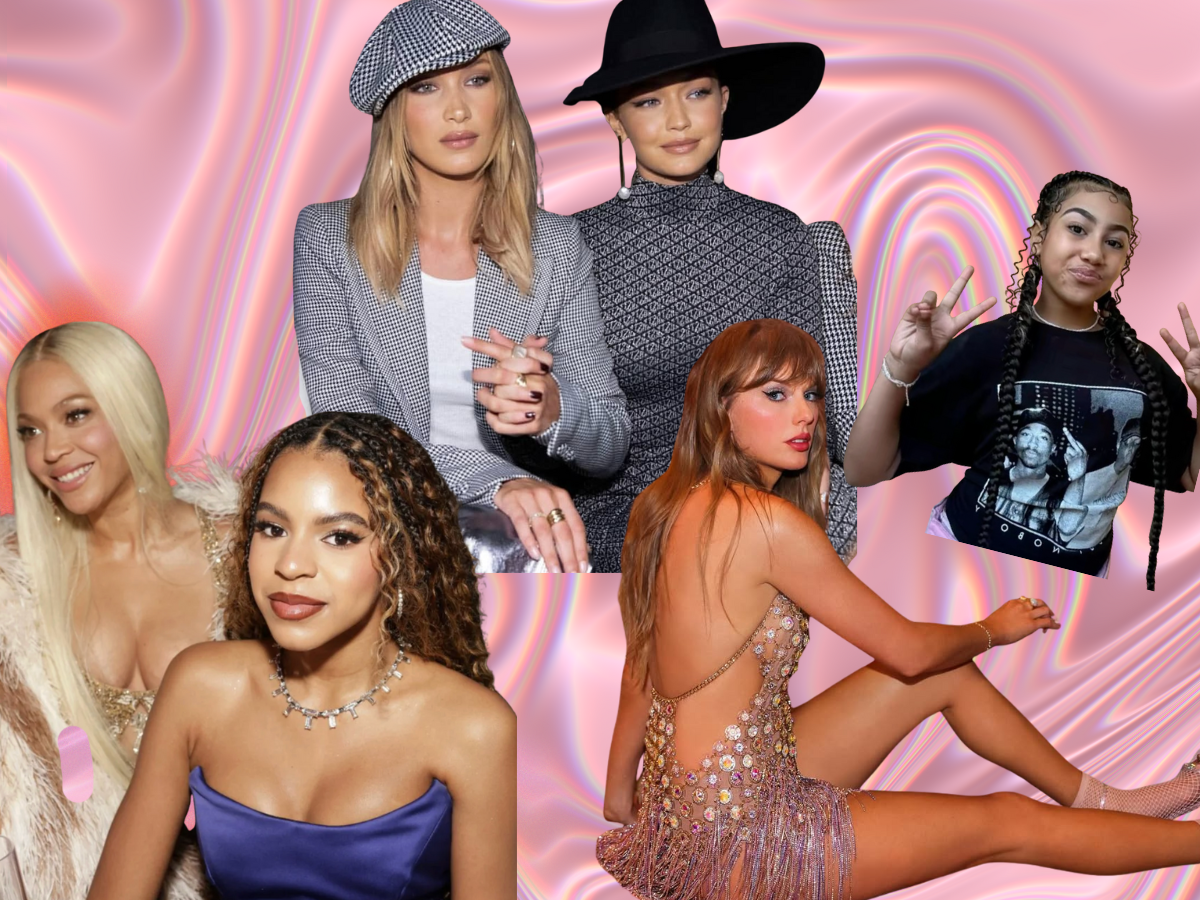
Eldest daughters are getting their moment in Taylor Swift’s new album, The Life of a Showgirl. When Taylor sings, “Every eldest daughter was the first lamb to the slaughter,” eldest daughters everywhere collectively exhaled.
Let’s be honest, there’s a quiet, universal ache that eldest daughters know too well. It’s the mix of pride and pressure that comes from being the family’s unofficial third parent. Eldest daughters are often the blueprint; the first to test the rules, absorb the emotional chaos, and pave the way for their siblings’ softer landings.
Yet, the impact of eldest daughters often goes unseen. From mediating arguments to remembering everyone’s birthdays, they become the emotional glue that keeps things running, often without acknowledgement or rest. For many eldest daughters, that lack of recognition breeds a particular kind of fatigue.
The pressure is real
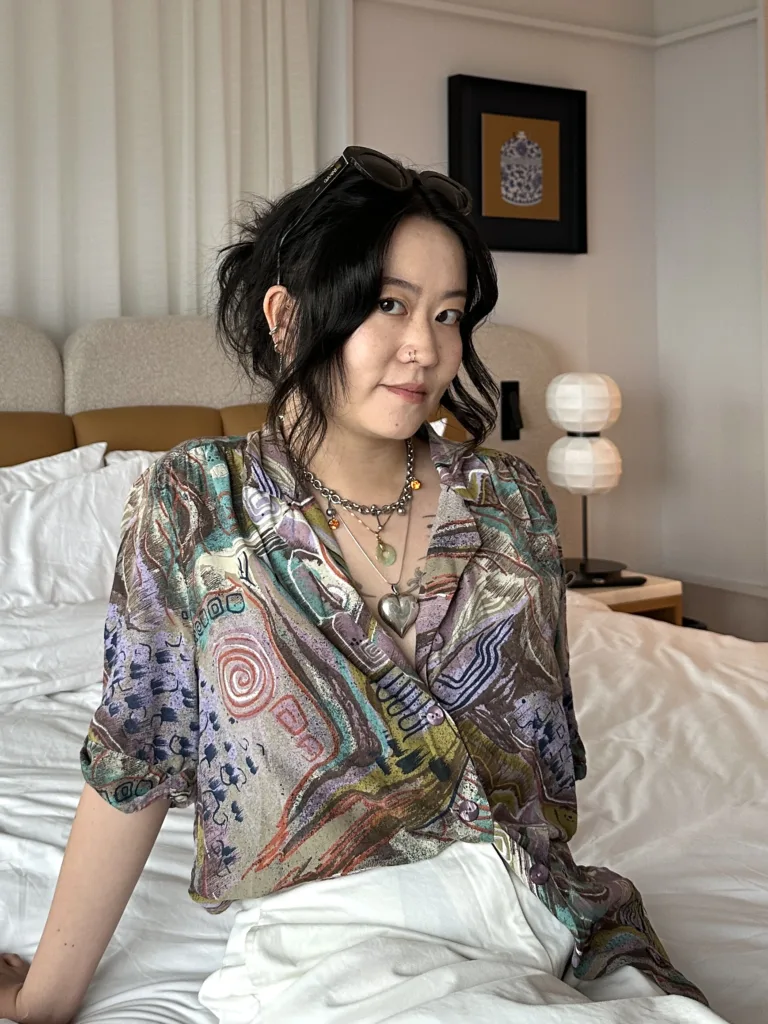
Iley Hong Cao, a Chinese and Vietnamese American artist based in New York City carries the weight of being a role model, caretaker, and family mediator. With parents working long hours as small business owners and a younger sister born when she was just six, responsibility came early. Once old enough to stay home alone, she became her sister’s primary caregiver. This role shaped her deep sensitivity to others and constant awareness of their needs. Yet, this early caretaking also meant she had to discover her own identity and sense of self much later in life.
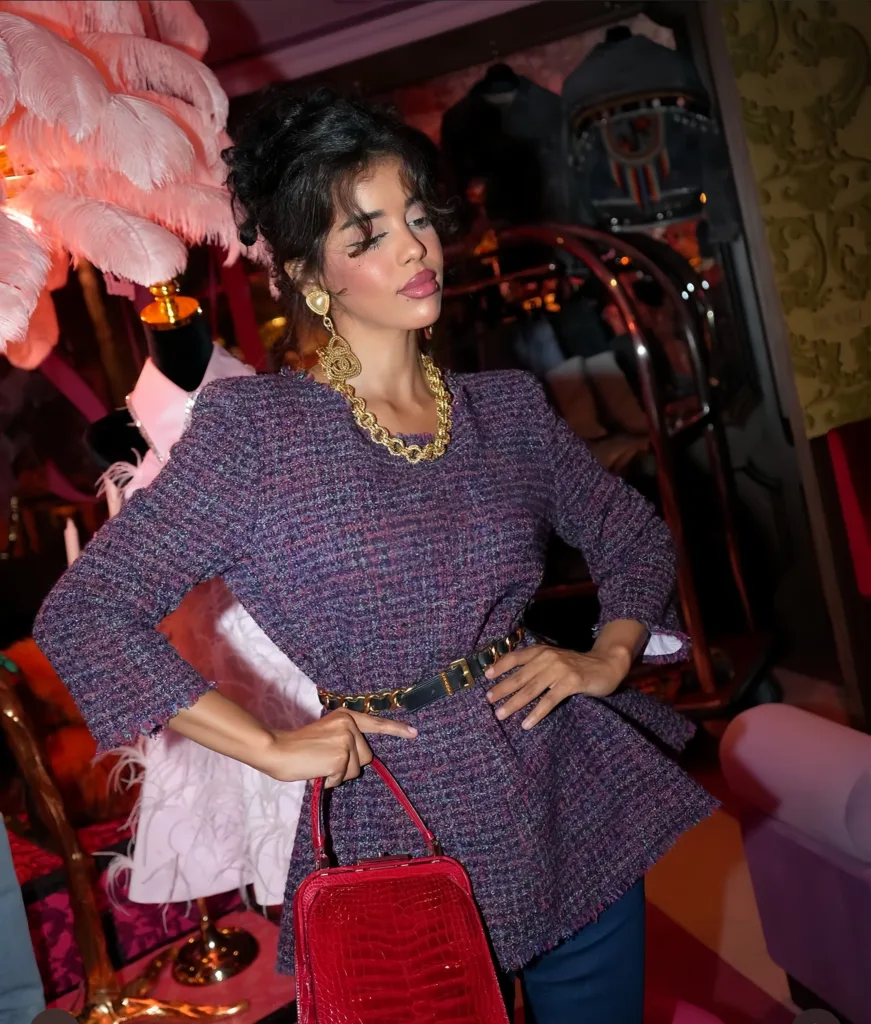
For Roua Mohamed, a Dubai-based content creator with Middle Eastern and African roots, she naturally took on the role of comforter and guide for her siblings. When her father began confiding financial struggles to her in her twenties, she felt the pressure to support her family no matter what. “There were times I wanted to focus on myself and be selfish, but I felt like I couldn’t because they needed me,” Roua says.
Ofc, women are expected to nurture and sacrifice
This dependency is all personal, cultured, and deeply gendered. Women are conditioned from a young age to take on emotional caretaking as part of their identity; to anticipate needs, smooth tensions, and fill in the gaps before anyone even asks. While sons are often granted freedom to explore, eldest daughters are handed responsibility to nurture, therapise, and sacrifice.
“It can be perceived as selfish or ungrateful to prioritise oneself as an eldest daughter, because it is equated to a lack of care for the family,” says Iley. “For many sons of immigrants, it’s normal or expected for them to leave home and pursue a career. However, for daughters, I think there’s more pressure to succeed while also maintaining a proximity to your family so that you can care for them.”
For Iley, the weight of sacrifice rises to the surface whenever her dreams come true. The joy of achievement is often shadowed by the sacrifices that made it possible (her parents uprooting their lives, surviving displacement after the Vietnam War, and starting over in a foreign country). There is an element of grief from realising her own potential means carrying the unfulfilled hopes of generations before her.
@bernadette.kirwan Makes sense I guess 😭 #celticarab #eldestdaughter #arab #family ♬ original sound – Larry Reid Live
Yet, eldest daughters find beauty in the role
The pressures, though heavy, are not without their beauty. Both Iley and Roua have learned resilience, patience, and how to navigate challenges with grace. “We have to accept the complexities that come with being an eldest daughter,” Iley reflects. Iley and Roua are learning to walk the tightrope between caring for others and caring for themselves, slowly relinquishing the guilt that has long accompanied their role.
And while the world is just beginning to name the invisible labour they carry, eldest daughters have always known that their power lies not just in what they endure, but in how they transform responsibility into care, and duty into love.