
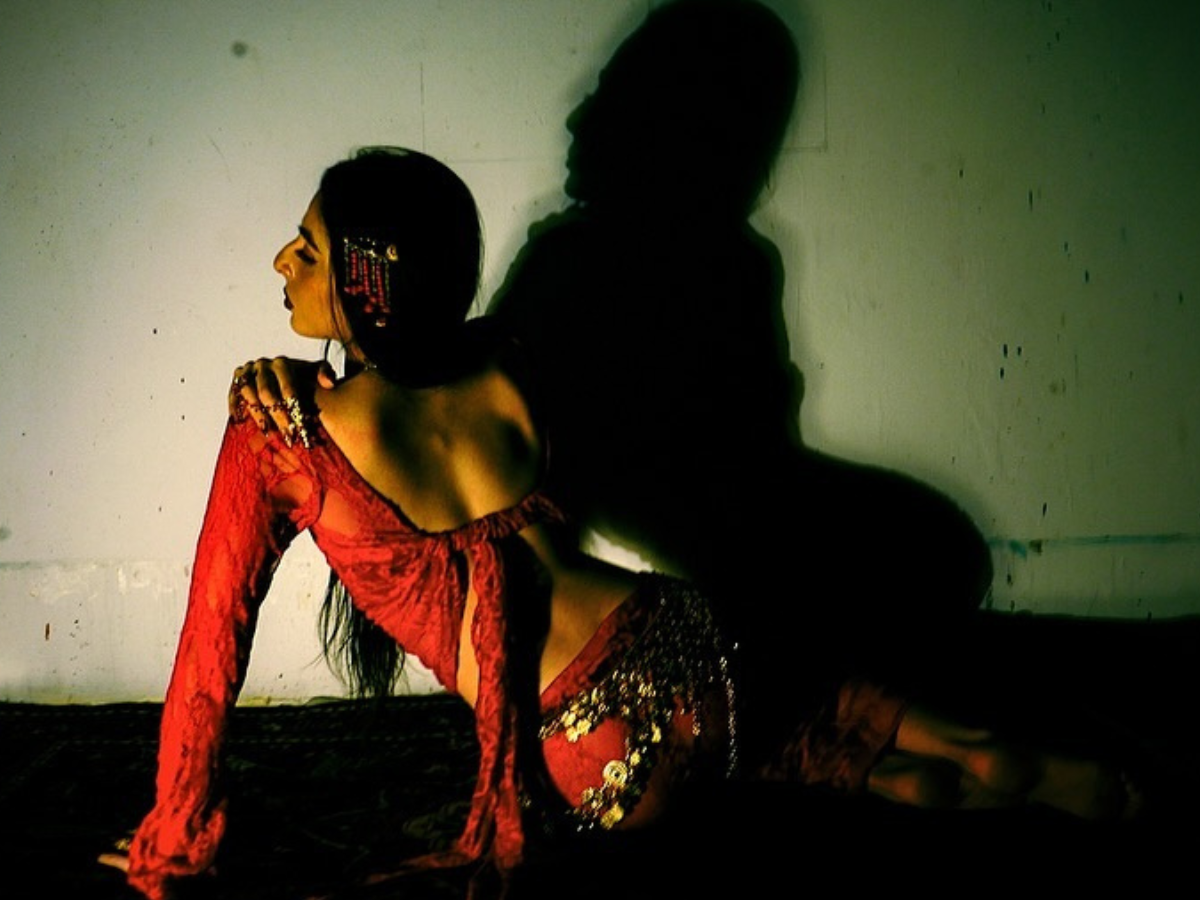
Shakira was onto something when she said hips don’t lie. According to dance and movement therapist Erica Hornthal, trauma doesn’t just live in our minds, it settles into our bodies, especially in our hips, where the psoas muscle (known as the “muscle of the soul”) resides. This deep muscle connects the upper and lower body, shaping not only our posture but our emotional state. “Being a society that tends to sit most of the day, we’ve literally become accustomed to sitting on our emotions,” says Erica. “Moving our hips frees up the stagnant emotional energy that has built up.”
That’s what makes belly dancing – long rooted in the healing, childbirth, and fertility rituals of women across the MENA region – far more than just an art form. It’s a healing tool. “Moving your core reminds you of your connection to your mother, sustenance, and vitality,” says Erica. The practice activates the body’s energy centres, or chakras, unlocking balance, grounding, creativity, and self-expression. Through movement, women reconnect not only with their bodies but with an ancestral lineage of resilience.
This is precisely what draws 17-year-old Dubai student Lujain Ataya and dancer-choreographer Sofia Mahdavi to belly dance. “Our bodies store memories that our minds can’t always process,” says Sofia. “They carry memories of their own, and by engaging in somatic movement and undulation like belly dance, we access this trauma, experience it, and reclaim it as our own.” Sofia, who founded a dance company for MENA performers, trained in Grotowski – a physical acting method where the body leads and the mind follows. “If I’m preparing for an emotionally invested scene, I often start with spinal undulations to enter this flow where my body leads and my mind is simply going along for the ride,” she says. It’s a principle belly dance shares: leading with your body instead of your mind, something we rarely tap into in today’s society.
For Lujain, founder of The Amal Project, a youth-led initiative using dance for healing, movement is emotional release. “I often enter the studio with emotions that feel hidden or even inherited, but once I start dancing, I feel them surface and release,” she says. As a Palestinian born, Lujain grew up surrounded by stories of displacement and survival. Dance, for her, restores a sense of control and connection.
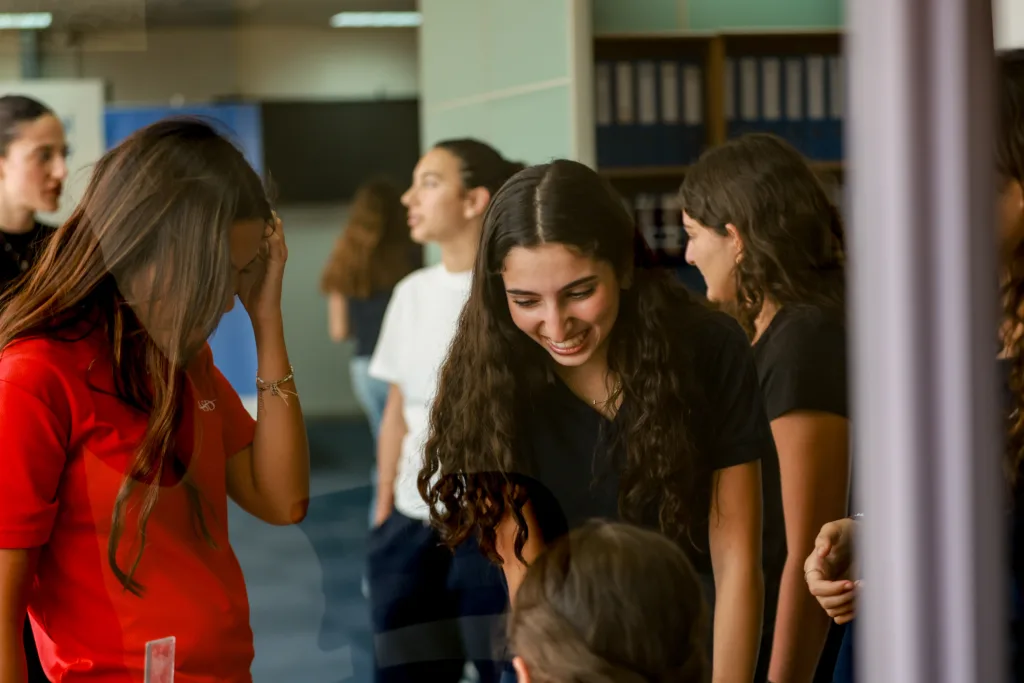
For Sofia, the practice offers a different kind of liberation. Women’s bodies are constantly a battleground as something to be debated, conquered, and controlled. But belly dance asks women to slow down and engage in a practice that is deeply meditative, offering a path back to themselves that feels like both reclamation and resistance. As a former professional rhythmic gymnast with a history of disordered eating, she’d spent years with body shame. “In a world where women are constantly ‘sucking in,’ belly dance asks us to relax and release so we can shimmy,” shares Sophia. “It celebrates curves and the movement of flesh.”
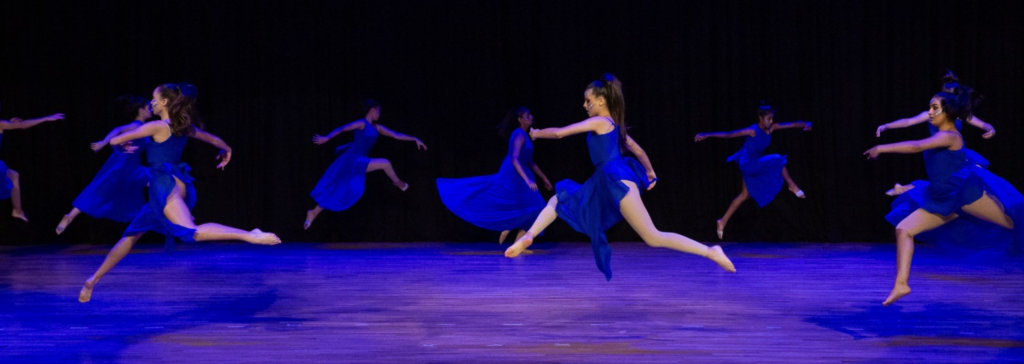
The practice has brought her community and a new perspective, though the journey hasn’t always been easy. “I’ve had moments where I’ve been overcome by intense emotions that come to the surface as a result of freeing my spine and hips,” she admits. “I’ve remembered moments in my life that I couldn’t before and broken down as if they were happening in real time.”
Belly dancing, at its core, requires vulnerability. “Many of the young people I work with come from conservative families who aren’t familiar with dance or from difficult situations where self-expression hasn’t always been encouraged,” says Lujain. “I always begin my sessions by talking to the participants, getting to know them, their story, and most importantly reminding them that there are no mistakes in movement; they are here to freely participate in any way that brings them joy.” Watching her students shake parts of themselves they’ve never moved before is, to her, the most powerful kind of healing; one that’s both internal and communal.
In a world that constantly tells women to shrink, belly dance invites them to expand, move freely, and heal. Because maybe, our hips don’t lie; they hold truth.