
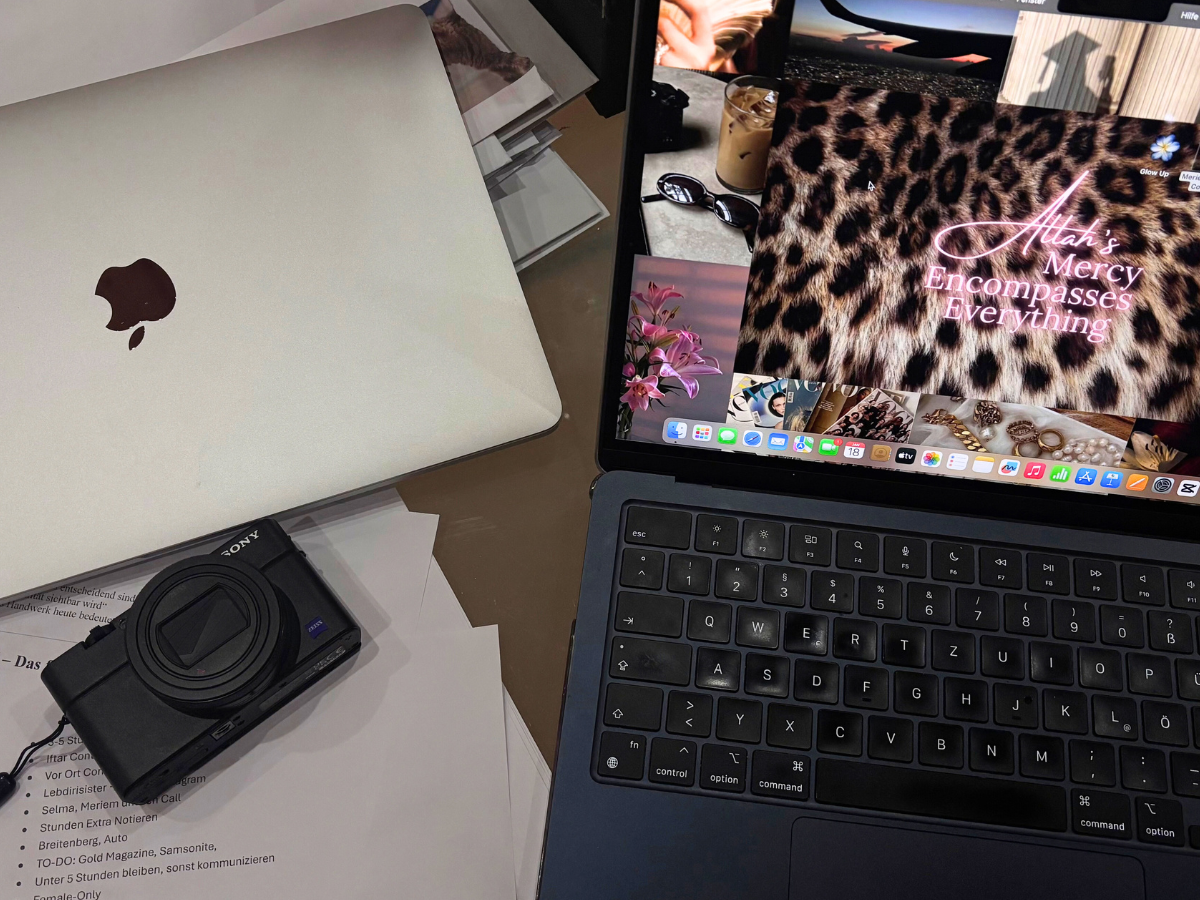
It is 3:57 a.m. when my alarm rings. Across my hometown, the lights are still off, but
ambition is already awake. For a moment, I forget that a sacred month has begun. Then it
returns to me. It’s Ramadan. By 4 a.m., I am at the kitchen table with warm tea, avocado toast, and a glass of coconut water recommended by a wellness influencer promising “Ramadan energy hacks.” Even spirituality, it seems, can be optimised. My father’s soft recitation of the Qur’an fills the quiet house. After Fajr, we return to bed for two brief hours. Then the world resumes. University lectures, internship emails, and deadlines waiting. The calendar does not pause just because we are fasting.
On my way to campus, I rush for the train and squeeze into a crowded carriage. For a split
second, I want to complain. Then I remember the month I am in. I whisper dhikr under my
breath, grounding myself before the day accelerates again. It is exam season. Four hours of concentration stretch ahead in the library. My stomach growls as I scan my notes, longing for stillness, for an open Qur’an without a ticking clock beside me. Instead, there is more to do. Reading, drafting, planning. As an ambitious young woman navigating competitive academic and professional spaces, I know mediocrity is rarely forgiven. Fall behind, and opportunities shrink. So I keep going.
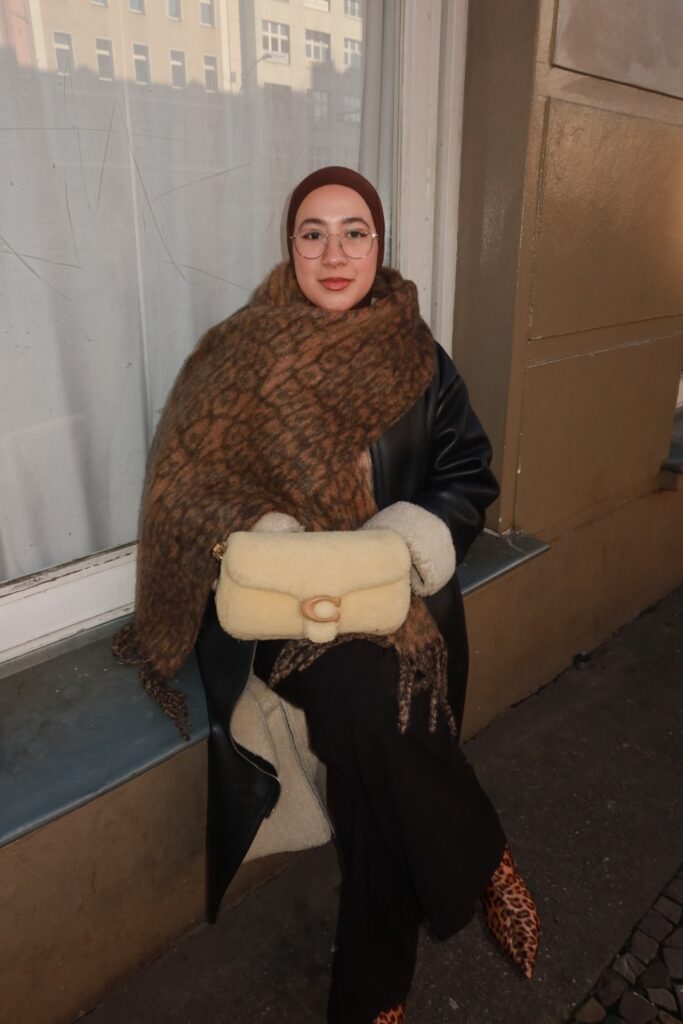
Between classes, I search for a quiet corner to pray. I complete the obligatory prayer with
focus, but quickly. Efficiency has followed me even here. Yet Ramadan is not about
efficiency. It is about presence. By late afternoon, meetings are finished and assignments submitted. Maghrib approaches. On the way home, exhaustion settles in, the kind unique to fasting while trying to perform at full capacity. At iftar, everyone talks at once. My family has had a long day too. Even breaking the fast can feel compressed between responsibilities.
It is only late at night, when notifications finally fall silent, that I truly feel Ramadan. During the day, the month often passes almost unnoticed between lectures, emails and
responsibilities. Faith exists somewhere in between schedules and deadlines. But at night the pace shifts. The house grows quieter. The outside world softens. For the first time all day, there is space to breathe.
I lay out my prayer mat. I read. I pray. I breathe deliberately. It is in those small, quiet moments that Ramadan begins to feel real again. The rush of the day fades into the background and something deeper comes into focus. Achievement suddenly feels irrelevant. What matters instead is clarity and a conscious connection with God. Ramadan arrives each year with the same invitation. Pause. Cleanse. Reorder your priorities. Remember that you are here not only to achieve, but to believe.
Yet we live in an era where productivity has become currency. LinkedIn celebrates
promotions. Social media rewards the grind. Even faith can begin to look measurable. How
many pages did I study? How many tasks did I complete? How many prayers did I check off? Hustle culture insists that stillness is regression and that every free minute must be
maximised. Ramadan teaches the opposite. Less consumption. Less distraction. Less ego.
And yet the pressure to perform can follow us even into this sacred month. Before Ramadan even begins, many of us build quiet expectations in our minds. This year I will read the entire Qur’an. I will attend every Tarawih prayer. I will be more disciplined, more productive, more spiritually perfect.
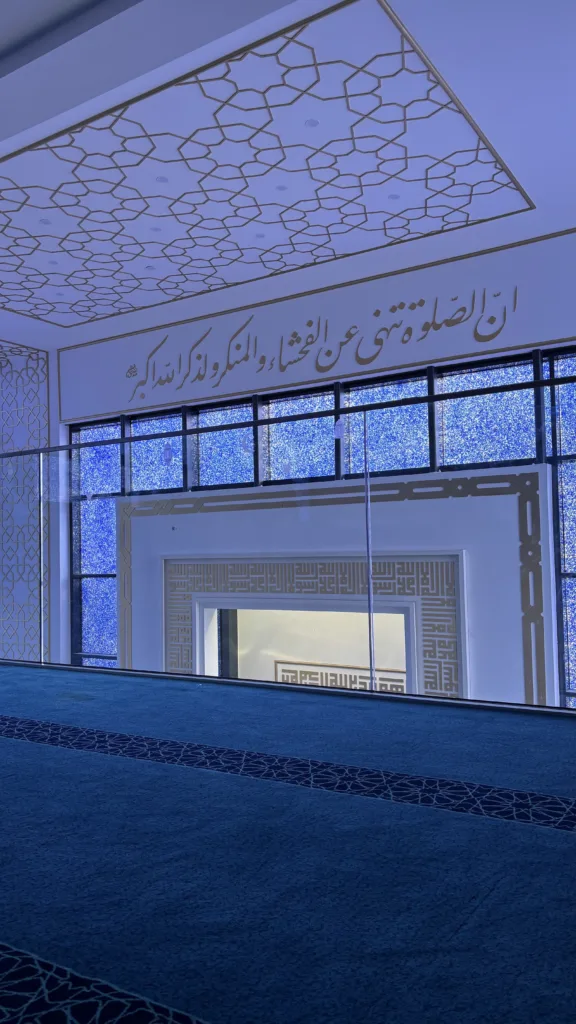
The language is familiar. I will do more. I will be better. I will not fall behind. Even devotion can start to resemble another form of hustle. For young Muslims navigating demanding academic or professional environments, this pressure can feel especially strong.
Many ambitious Muslim women move through spaces that constantly demand excellence. We are expected to be focused, prepared and competitive. To be academically sharp, professionally driven and emotionally composed. To always function. Ramadan enters this rhythm almost like a quiet interruption. The body begins to slow down. Hunger humbles. Fatigue reminds us that we are not machines. But the systems around us rarely slow with us. Deadlines remain. Expectations remain. The pressure to keep performing remains.
So many of us continue moving at full speed until the evening finally arrives. And then, suddenly, there is a pause. Late at night, after iftar, after conversations quiet down and the last notifications fade away, we finally sit still. Perhaps with the Qur’an open in front of us. Perhaps simply with our thoughts.
For a moment, the constant demand to produce something disappears. And that is often when a realisation quietly appears. The pressure we placed on ourselves, to achieve more, to do Ramadan perfectly, begins to feel strangely distant from what the month was meant to be. Ramadan was never meant to be another race. In Islam, work holds value. Intention, or niyyah, transforms ordinary effort into worship. If I study to gain knowledge, work to build independence, or pursue a career to support my family, that too carries spiritual weight. But the deeper question remains. Am I acting with awareness, or am I driven by the fear of not being enough?
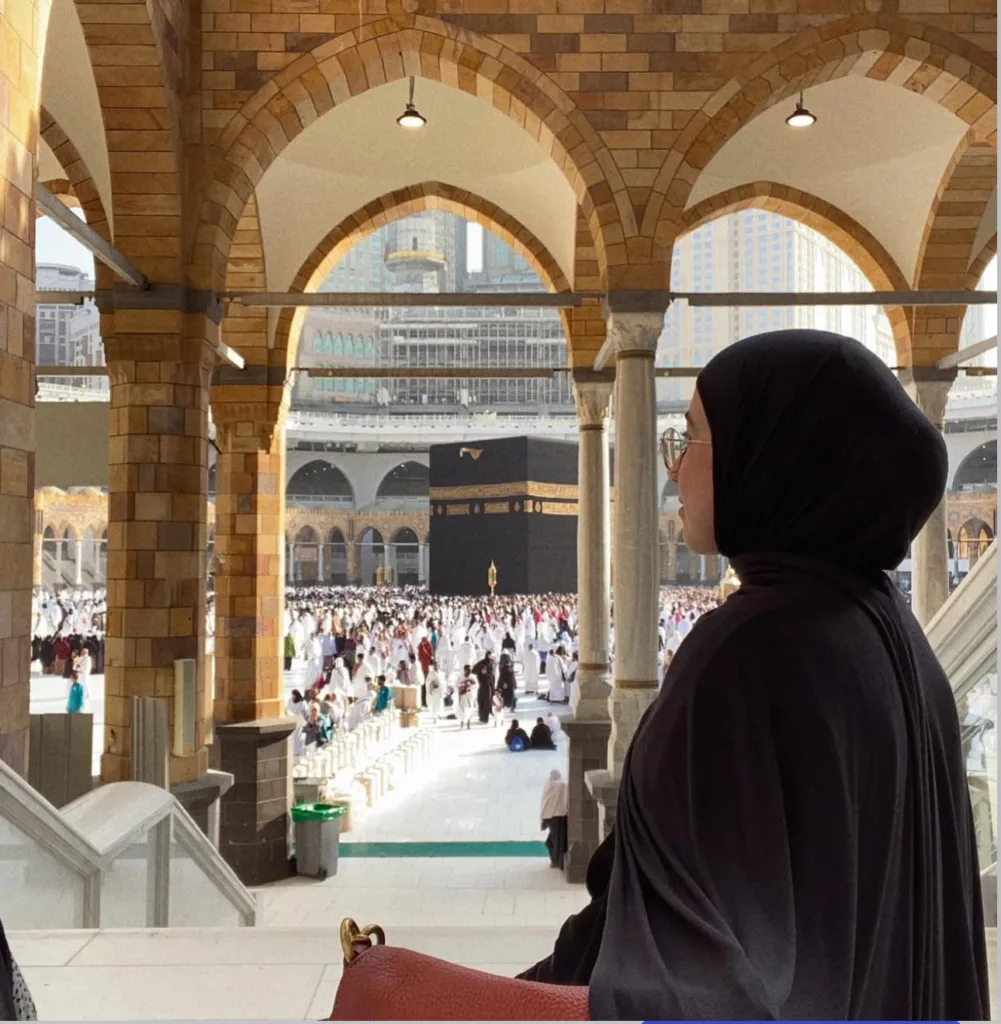
Ramadan exposes our fragility. Hunger humbles. Fatigue reveals limits. Perhaps that is its
quiet power. It reminds us that we are not machines, despite living in systems that reward us as if we were. Ambitious Muslim women today are often expected to embody contradictions. Spiritual yet strategic. Gentle yet assertive. Faithful yet relentlessly competitive. All at once. So what does enough look like in a month that calls us to slow down? I guess it is not perfection. Perhaps it is intentionality. Choosing what truly matters, moment by moment.
Ramadan does not require abandoning our ambitions, but to purify them. Maybe the goal is not to do less, but to do things differently. To move through our days with intention instead of pressure and with devotion instead of fear. Instead of constantly measuring ourselves against others, Ramadan invites us to return to clarity and to remember what truly matters.
Our worth is not measured in how much we produce or how efficiently we perform. It is
anchored in presence, in the quiet awareness of why we are doing what we do. And in a world that constantly demands more, there is a quiet but radical strength in knowing when enough is truly enough.