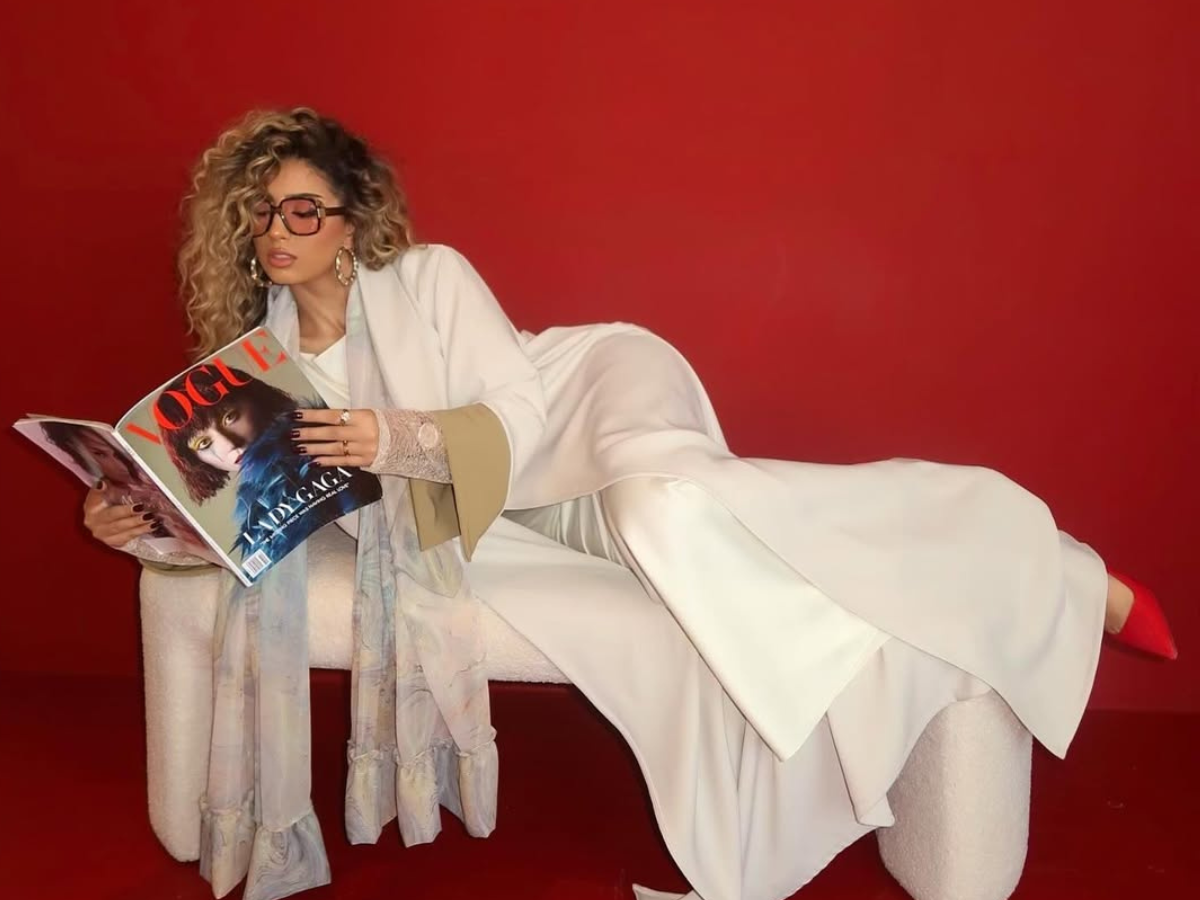
Influencers and Dubai, a combination made in the same place as cookies and cream. There are few places in the world where calling yourself an influencer gets you as many brownie points as Dubai. From rooftop brunches with skyline views to golden-hour shoots along Jumeirah Beach, this city practically invented the #sponsored lifestyle.
But here’s the fine print: the city of influencer dreams now has its own rules. Dubai’s new influencer licensing system is falling into place, and if you’re creating content that brings in any coin (yes, even free hotel stays count), you’re going to want to know what’s up.
So before you speed down Sheikh Zayed Road for a shoot or set up your tripod at Downtown Dubai, let’s break down what the influencer license is, who needs it, how to get it, and how much it’ll actually cost you, because, as it turns out, the girly-pop jobs need paperwork too.
What is the influencer license?
The Dubai influencer license is your official permission slip to make money online. It’s a legal permit that allows you to post paid, sponsored, or commercial content on social media (essentially, any time you’re making money or receiving perks for promoting a product, brand, or service).
The license is issued by the National Media Council (NMC) or your local regulatory body if you’re based in a free zone.
Who actually needs one?
If you’re in the UAE and getting anything in return for content, whether that’s cash, a gifted outfit, comped staycations, or brand trips – this applies to you.
That includes: Influencers and creators paid for sponsored posts or campaigns, those receiving free products, services, or experiences, and content creators earning through affiliate links or brand partnerships.
If it smells like a collab and looks like a collab… it probablyyy needs a license.
Why the license exists
The UAE wants to make sure paid content follows local advertising laws and maintains transparency with audiences. The goal is to keep things ethical and clear, so your followers know when they’re being advertised to, and brands stay compliant.
Plus, influencers are expected to operate like legit businesses. You’ll need to disclose partnerships and make sure your content aligns with local cultural and legal standards. Skip the license, and the consequences can be fines up to Dhs5,000, platform bans, or even deportation for expats.
What you’ll need to apply
If there is one thing to note, Dubai doesn’t play about with documentation. You’ll need:
- Passport copy and Emirates ID (if you’re a resident)
- Residency visa (for UAE residents)
- Passport-sized photo
- Completed application form (find this here)
- Trade name reservation (if setting up a business)
- Memorandum of Association (for businesses)
- NMC e-Media license (if you’re not applying through an agency)
If you’re freelancing through a free zone, there might be some extra forms depending on the zone’s rules.
How to get it (without losing your mind)
The actual process is super simple, here’s your step-by-step:
- Pick Your Setup: Decide whether you’re going solo or creating a company.
- Register a Trade Name: Do this through the Dubai Department of Economy and Tourism (DET) or your chosen free zone.
- Apply for a Trade License: You’ll pick from a professional, freelance, or commercial license.
- Apply for the NMC e-Media License: This is your golden ticket to post sponsored content legally.
- Pay the Fees: Both trade and media licenses come with costs (more on that next).
- Get Approved & Go Create: Once you’re licensed, you’re official. Just remember to renew yearly.
What it’s going to cost you
The price tag will depend on your route, but here’s the general range:
- NMC e-Media License: Dhs1,500/year
- Freelance or Trade License: Dhs7,500–15,000+
- Agency Route: Dhs5,000–10,000 (depending on terms)
Plus, be sure to factor in visas, workspace fees, and any setup costs if you’re forming an agency.
Dubai’s influencer scene is super glamorous, but it’s also regulated. Whether you’re doing GRWMs in your Marina apartment or travel vlogs in the desert, being compliant isn’t just a formality; it’s part of being a pro (and avoiding the consequences is quite the incentive.)
So before your next brand collab or rooftop photoshoot, make sure your paperwork is as polished as your feed. Because even #ThatDubaiGirl has to file some forms.