
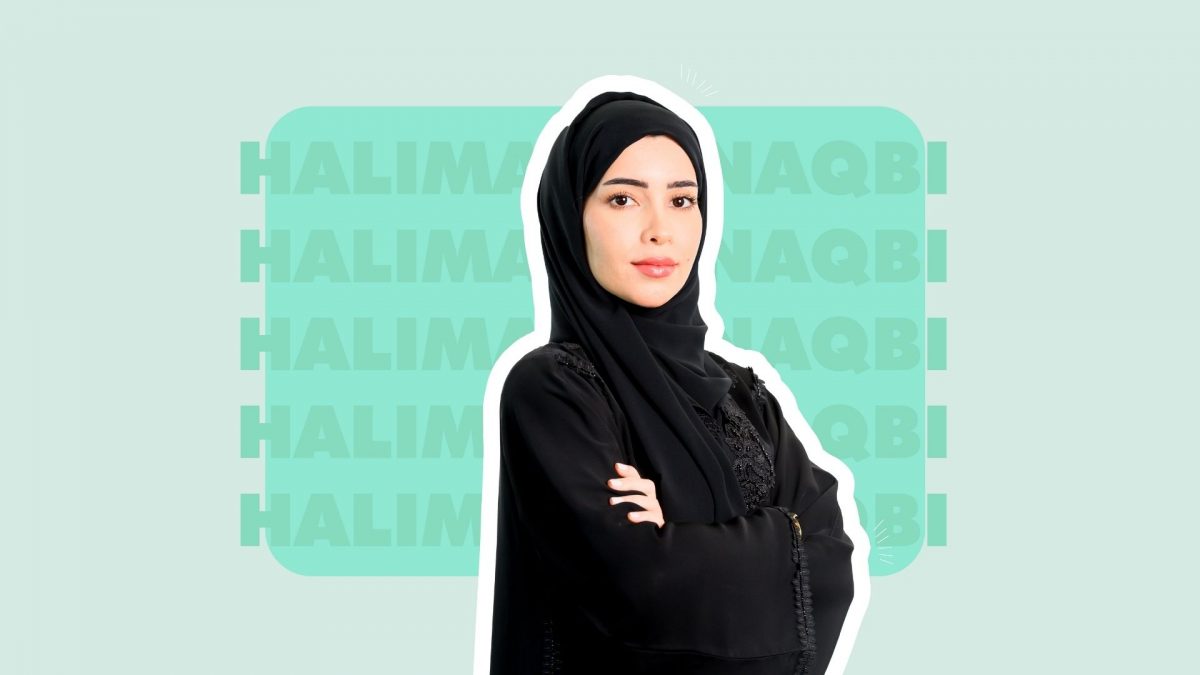

Emirati scientist Halima Alnaqbi has recently been chosen as the honorary recipient of the first For Women in Science Young Talents Awards Ceremony for MENA – an event by L’Oréal and UNESCO to recognize the works of 14 Arab female scientists in the MENA region.
“It is an honour to be recognized by the L’Oreal-UNESCO Programme for Women in Science,” said Halima. “This award resulted in the support of thousands of women scientists in 117 countries, which reflects the importance of supporting women in the field of scientific research.”
What was Halima Alnaqbi’s topic of research?
Halima’s research focuses on enhancing the existing organ transplantation system to include Arab ethnic groups.
“Due to a dearth of genome data of the Arabian population, healthcare in underrepresented nations face unique challenges, affecting the region’s capacity to integrate molecular genetic research findings into clinical applications. Unrelated organ donors are identified from millions of volunteers via regional networks,” said Halima on deciding her topic of research.
She notes how there doesn’t exist any Arab contribution in international registries citing the Arabian genome to be “poorly characterized”.
She continued, “My research aims to address this gap and establish a preliminary framework for organ and bone marrow transplantation donor selection. The information resulting will act as a reference that will facilitate research on disease susceptibility and/or protection to assist in early diagnosis, future prevention, and personalized therapy in the underrepresented populations of Arabia.”

When asked about the most shocking find that she’s come across from the research. Halima said, “We identified genetic factors that could cause type 1 diabetes in UAE families. We also have mapped the genetic factors that put people at risk of developing severe symptoms when infected with the COVID-19 virus.”
Road to becoming a scientist in the Middle East
Halima says she’s always been a curious child and wondered about how individuals coming from her community suffered rare diseases due to genetics.
“I have always followed my curiosity. I come from a small town in the United Arab Emirates, where tribal marriage is a tradition. I later learned that more rare diseases appear in communities that have certain cultural practices such as consanguineous marriage, which increases the prevalence of individuals with recessive disorders,” Halima Alnaqbi said.
This further inspired her to continue her research on the topic, specifically about the Arab demographics. “As I grew older and became a biomedical engineer, I channelled my intrinsic motivation to solve challenges that impacted my society and the world. I particularly devoted my knowledge and skills to study the genes that govern the immune system (immunogenetics) in the Arabian population, which play an important role in the development of autoimmune diseases.”
Advice to aspiring female scientists and researchers
Halima opens up about how being a researcher can be a daunting task with hours spent at the lab as well as facing strong criticism from others regarding her hypothesis, methodology or publications. “In fact, you will fail much more often than you will succeed. However, as scientists, our curiosity should be our motivation to never stop, and we should always be flexible when new challenges arise. Science is a marathon, not a race,” she said.
“Therefore, you should always be up to date about new advances through reading and attending scientific conferences or joining a science community in your respective field.”
So, what’s new for Halima Alnaqbi in 2022?
With award-winning scientist ticked off for Halima, we’re all wondering what’s the new career goal she’s set for herself. “For me, 2022 will be a very exciting year because I will be defending my PhD dissertation. I hope to become a professor one day and continue working on biomedical research, and maybe lead a research team. Therefore, winning this award is certainly a significant step in achieving this goal.”