
We’ve all seen a fair amount of toxic TikTok trends over the past few years, but perhaps none of them have been as insatiable as the XXL food trend. If you’re not already familiar with this trend, let me explain it to you: people visit restaurants and cafes and order incredibly large food items, with the most well-known choice being the infamous XXL croissant. The craze started in Paris earlier this year and has rapidly spread throughout the rest of the world. It has gotten so big (excuse the pun!) that it’s even reached home turf. If you thought that a giant croissant wasn’t enough for a voracious appetite, then think again, because a cafe in Dubai accompanies their XXL croissant with a whopping 4 liter cappuccino.

Via @javanehhh on Instagram
Admittedly, at first, when scrolling through some of the #giantcroissant videos, it actually seems quite funny — watching someone dunking an enormous pastry into a massive cup of coffee gets me giggling. However, around the fifth or sixth video, I started to feel slightly nauseated – and I don’t think it’s from the thought of trying to consume a one-kilo croissant myself. The trend isn’t funny at all – the more I look at it, the more ridiculous it becomes. I see numerous comments about why individuals in the background of the video wear such shocked or sour expressions. I can’t help but think that if I were in the background of one of these videos, I too would be wearing the same expression. It is shocking, entirely unnecessary, and it merely accentuates the worst aspects of the society we live in.

Via Pexel
First off, when did we have to go to these lengths to go viral and garner video views? I watch a video of someone dipping an XXL croissant into a giant cappuccino, and the liquid spills all over the table. My initial thought is that someone will have to clean that mess up; my second thought is that the person dipping the XXL croissant did it knowing that someone would have to clean it up. What a sad predicament.
Sensationalism has always been rife in mainstream media — but I find it sad that it’s become so rife on a platform that we the people ultimately control. You laugh at a video? Like. Think it’s funny? Share. Want to see it more or maybe even create the video yourself? Save. The responsibility is partly ours (as the viewers) to tell the creators when something is inappropriate. Perhaps if we had told them this in the beginning I wouldn’t be writing this article now.

Via Unsplash
Despite the millions of likes, shares and saves I am glad to see a small number of people share my sentiments. I notice a few comments calling out the creators and businesses participating in the trend:
“What a waste.”
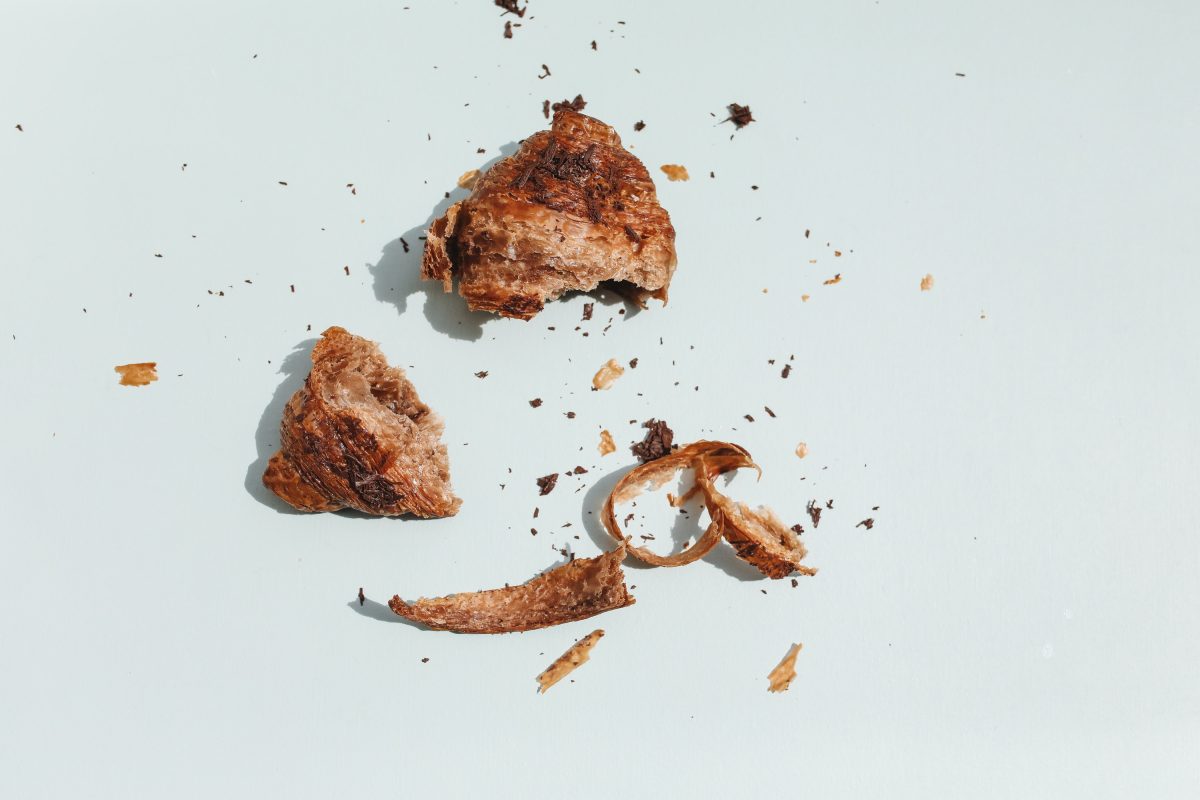
“Most of the people who show up and buy this novelty food maybe take a bite before throwing it in the trash. Huge waste of food.”
“Isn’t that somewhat obscene considering that some people don’t have enough to eat?”
The minority calling them out are highlighting something so important: consumerism and waste-culture. According to the United Nations’ Food and Agriculture Organization (FAO) it’s estimated that around one-third of all the food produced globally for human consumption goes to waste (this amounts to about 1.3 billion tons of food wasted each year!) And here’s the sad part: a good chunk of that food waste is on us, regular people, in developed countries like the UAE. So, it’s up to us to take responsibility and not make this bad situation worse. Evidently though, this whole trend seems to be pushing people in the opposite direction.
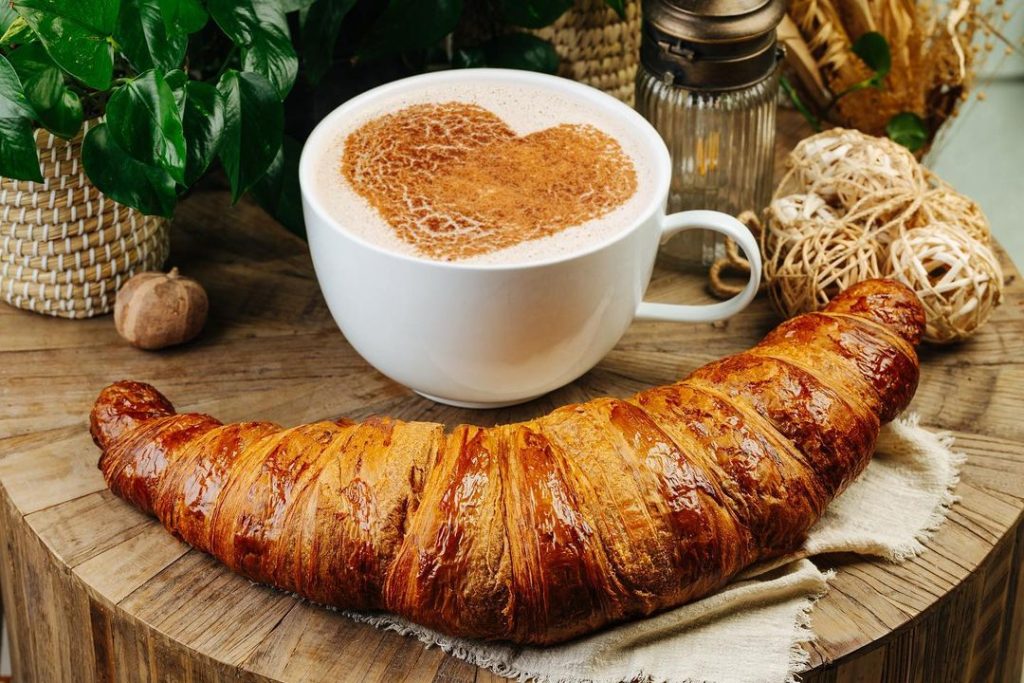
Via @thebohox on Instagram
While we are discussing consumerism and waste, it’s crucial not to overlook the environmental implications. Food waste is terrible for the environment! On one hand, we have a generation that has never cared more about the environment (shoutout to the climate warriors!). But on the other hand, we probably have those same people indulging in voracious TikTok trends that damage the world we are trying so hard to protect.
Maybe because we spend so much of our lives on social media we sometimes forget the very real and perilous consequences of our online actions in the real world. This detachment from the tangible impact of our online actions need to stop. Our world is one of polar opposites — while some people are wondering how they will feed their families, some of us are using food as mere photo op (or shall I say video op). It’s important to bridge the gap between our digital existence and the genuine challenges faced by many, fostering empathy, recognizing the disparity and practicing responsible digital behavior in the process.
The saying “go big or go home” has always confused me, yet with this trend, it seems more fitting to change it. If you do go big, please go home.