

With live instrumentation at its heart, GHAZALI also marks a deeply collaborative chapter for Elyanna, bringing together family members, international musicians, and producers to create a sound that feels both familiar and entirely her own.
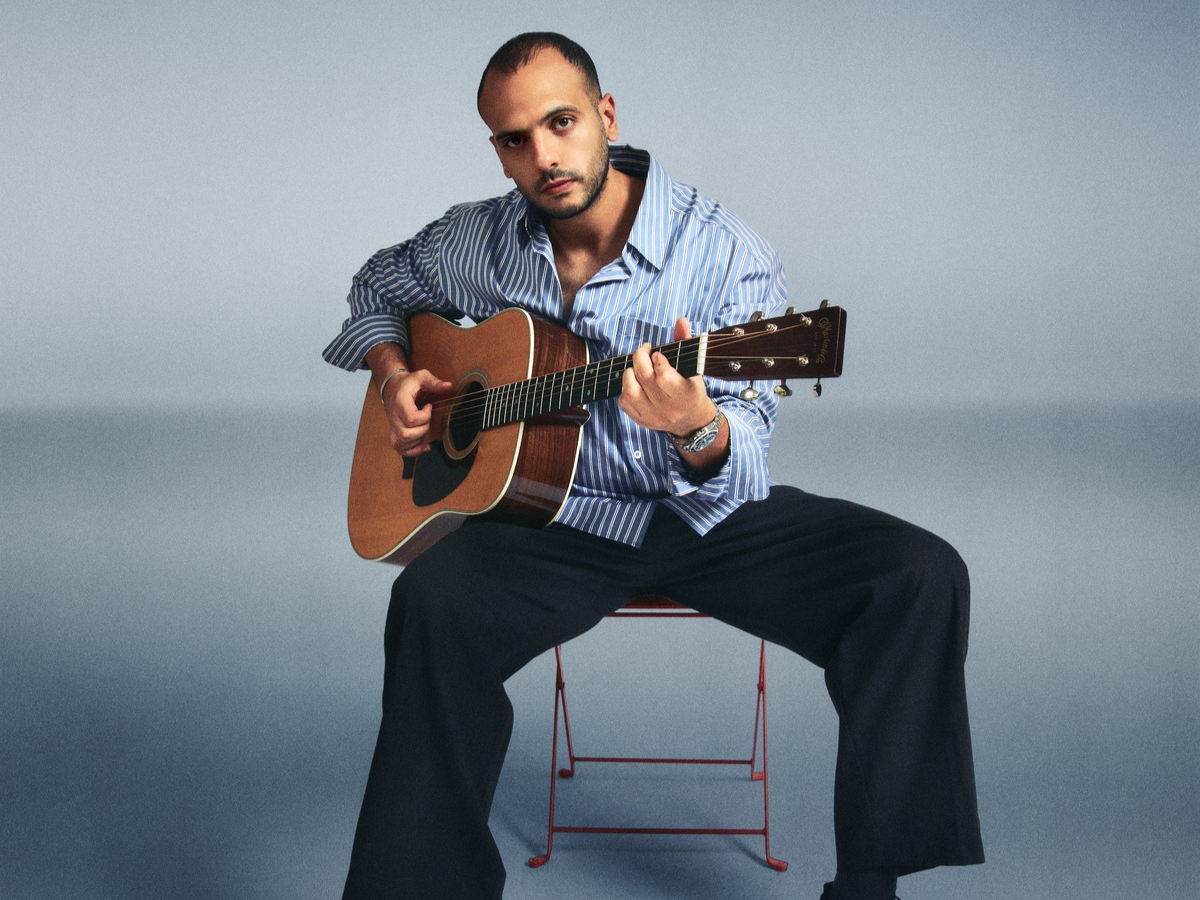
One of the faces behind this sound is producer Moataz Mady, who worked closely with the Palestinian-Chilean singer and her brother Feras to bring one of the tracks, “Layali”, to life.
We caught up with Moataz to talk about making “Layali” — from translating cultural identity into sound to the importance of keeping live instrumentation alive — and how that pushed him outside his creative comfort zone.
Cosmo ME: From a production perspective, how did you approach creating the track, and what was your creative process behind shaping its sound while staying true to Elyanna’s artistic identity?
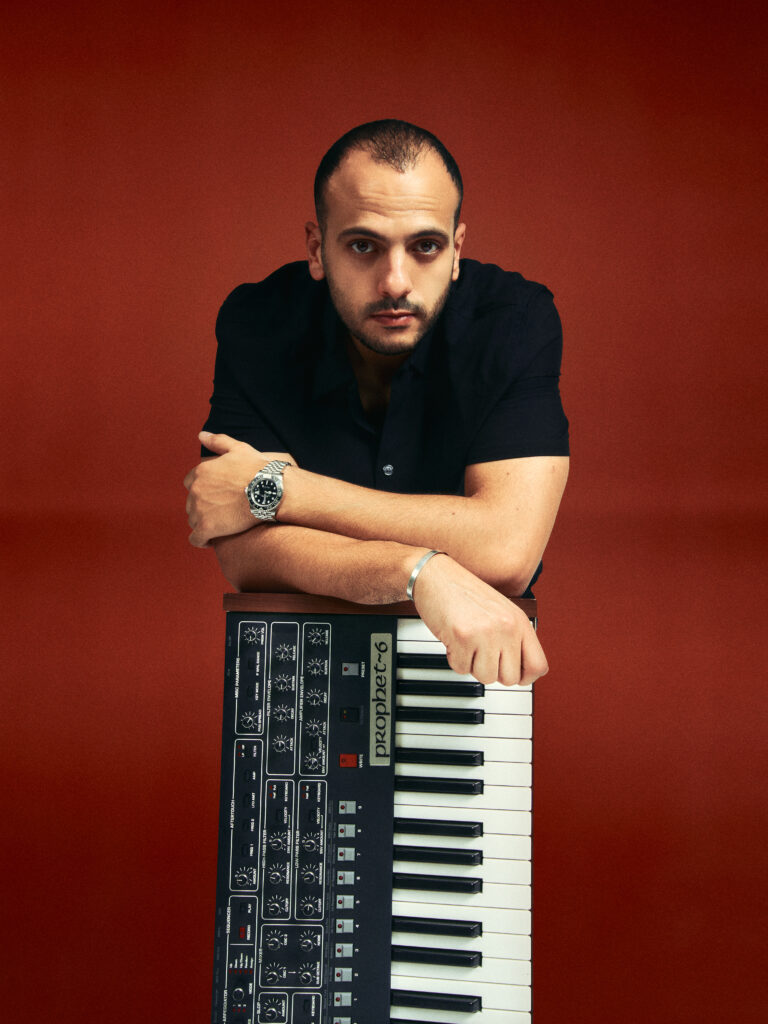
Moataz: Elyanna is the glue. Whatever sound came in, her voice had to stay in the middle of it. On “Layali”, I didn’t try to fit everything in. I asked what the song needed and went with the flow. When an artist knows exactly who she is, everything ends up sounding like her anyway.
Cosmo ME: A lot of GHAZALI explores identity, heritage, freedom and belonging, with Elyanna drawing on her Palestinian and Chilean roots alongside sounds she’s encountered through travelling. How do you translate something as personal and sometimes intangible as cultural identity into the actual production of the song “Layali”?
Moataz: You don’t overthink it. It lives in small things, like the tone of an instrument or a rhythm that reminds you of home. I’m a guitarist, and guitar is a big part of Chilean music, so that was my way in. I layered a few guitars and played with different tones and textures, but I always made sure her roots stayed in the middle of the song, something she could hear and feel was hers. We grew up on a lot of the same Arabic music, so we already spoke the same language. I just wanted the song to feel the way her stories feel.
Cosmo ME: The album was recorded with live instrumentation, with collaborations ranging from the Tuareg band Imarhan to Western Saharan musician Aziza Brahim, plus a live orchestra from Vienna. For “Layali”, what did working with live musicians bring to the record that you perhaps wouldn’t have achieved through more conventional studio production?

Moataz: This is the kind of music I enjoy most. Different instruments, different voices, all of it coming together like an orchestra. When everything flows together like that, the song has a life of its own. Virality comes and goes, but a song with real life in it finds its audience and stays. If you only rely on beats or copy someone else’s sound, you lose that. I’m a big fan of keeping music as real as possible. I’ve always said real instruments are where music is going, and this album is proof of that.
Comso ME: Did producing the song challenge you creatively or take you somewhere musically you hadn’t anticipated?
Moataz: “Layali” pushed me out of my comfort zone in a good way. I had to find a balance between my sound and her world without one taking over the other. And like always, the hardest part was knowing when to let it go. I kept wanting to add something, remove something, change something. When I finally heard it finished, I was really happy with where it ended up.
Cosmo ME: The album took more than two years to make. How did the sound of “Layali” evolve during that time, and did any ideas change significantly from their original conception?
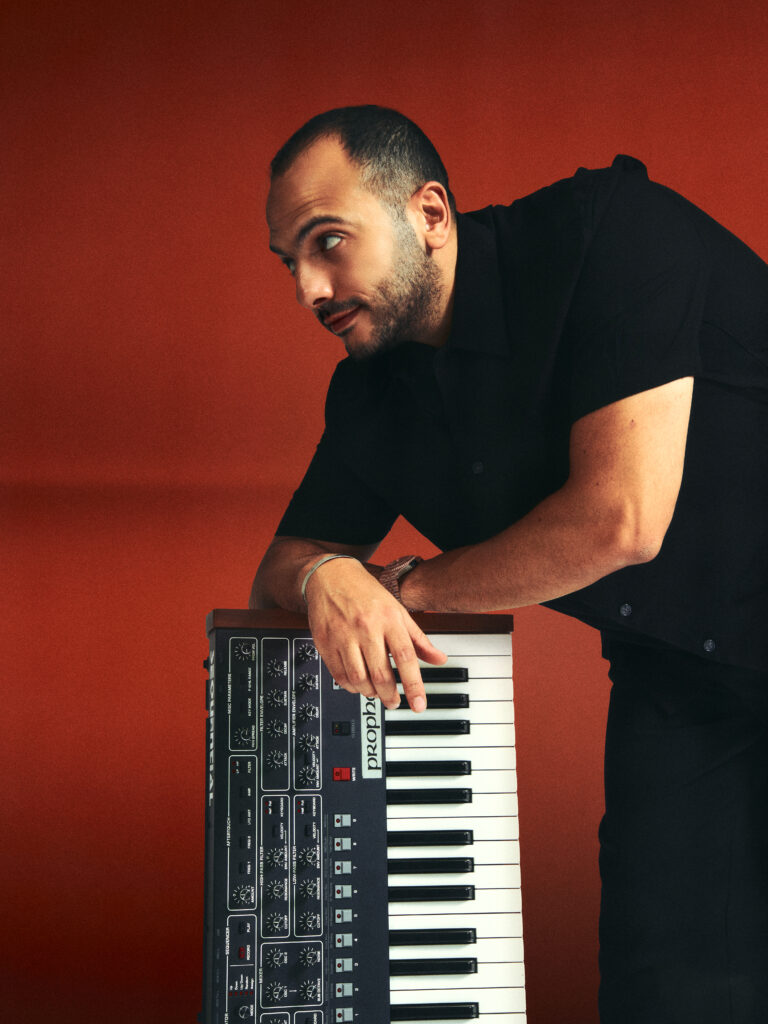
Moataz: Two years is a long time in music, and you change as a person in that time, so the songs change with you. Elyanna was travelling and collecting new sounds the whole way, and you could feel that coming into the sessions. I changed a lot too. In those two years I worked with so many different artists on so many different projects, and every one of them taught me something new. I came back to the songs with new skills and a different ear. Some ideas started in one place and ended up somewhere completely different, and that’s the beauty of taking your time. You give every song the space to become what it’s meant to be.
Cosmo ME: What was your favourite part of working on the album with Elyanna?
Moataz: We worked together in so many places. We had a camp in Qatar, then we worked in the USA, and then she came to Egypt. It’s so much fun working with her, and she’s such a hard worker. When Elyanna, Feras, and I sat together, it just clicked. The room was always full of joy and laughter, and we reached the musical level we wanted very easily.
Next, check out EYNTK about Saint Levant’s new music video “MASLA7JIYA”.