
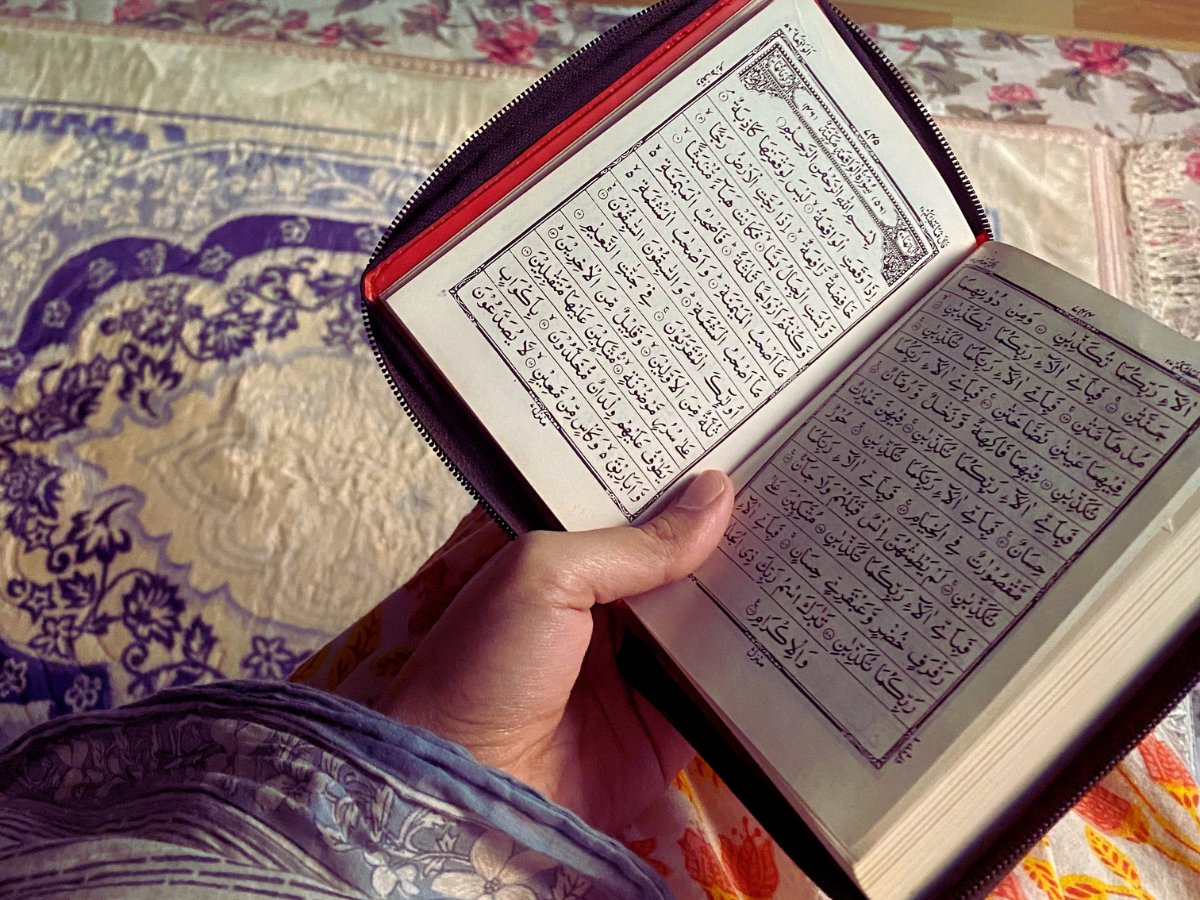
I was scared. I have never completely switched myself off from the world before. I have done Itikaf, but it was never for more than three days; this time, I was determined. I wanted to do it for the entire 10 days, just like Prophet Muhammad (SAW) did.
Itikaf is from the Sunnah of the Prophet Muhammad (SAW), and was practised by him; it is a time of complete seclusion dedicated entirely to worship.
The idea of not scrolling Instagram every other minute, or checking my email or LinkedIn, did haunt me. What if my dream job lands in my email inbox? Or GTA 6 will suddenly drop, or worse, what if my friends hang out without me, and I miss all the story tags? Post-iftar is where all the actual fun happens anyway (yup, my overthinking deserves an award), like whatever hasn’t happened in the past years will magically happen within the 10 days.
I did find my solace eventually. I would look back on what Imam Al Shafi says: “What is meant for you will never miss you, and what has missed you was never meant for you.” So, I cleaned up a corner of my home, brought in lamps and candles (whatever comes aesthetically pleasing is always important), and, finally, during the afternoon of March 11, 2026, I deleted all the apps, wrote a little message to my loved ones, and said a temporary goodbye to the world.
The first few days were quite intense. My muscle memory was winning me over. I picked up my phone numerous times, only to get a reminder from my empty screen that I am on a break.
What I did not see coming was that when the outside noise got quieter, the inside noise became louder. All the thoughts that were chasing me for the last couple of years stood right in front of me. I was listening to Dr Haifaa Younis’ lecture, and she mentioned that after day five, all the junk from your heart starts to go away, and you bet that did happen.
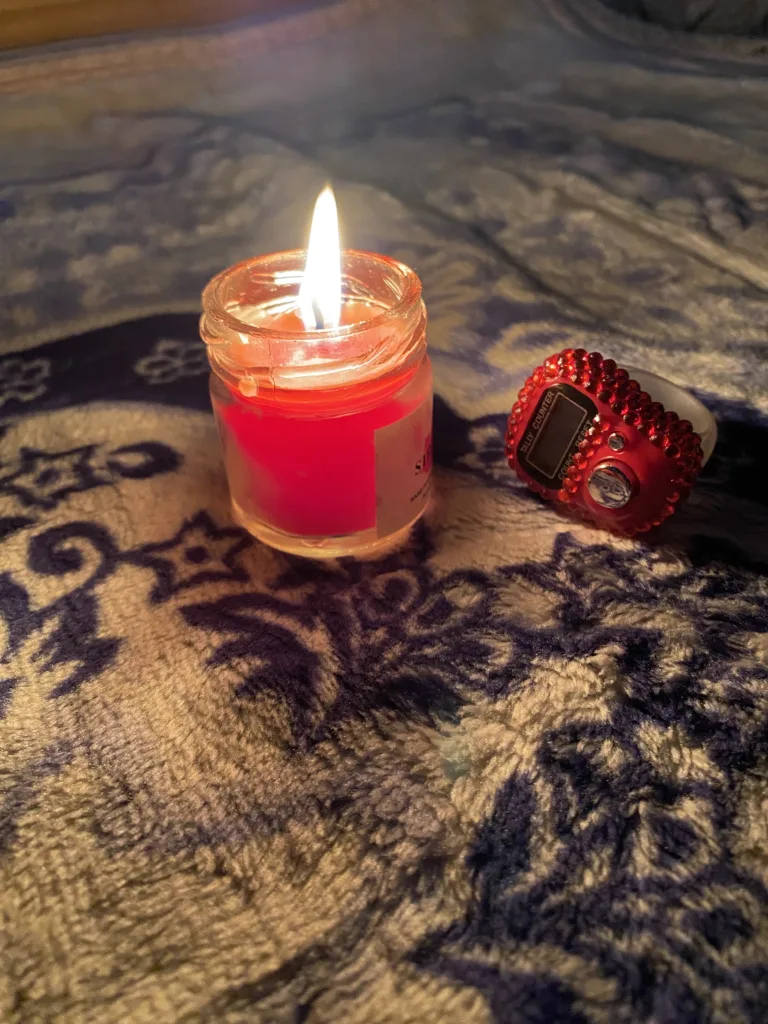
Exactly on day five, as I was reading my Quran, a reflection hit me, and it cleared a lot of my mind fog. All of a sudden, a lot of things made sense. My list of duas could have given healthy competition to Rachel’s letter to Ross, but then it became only two lines.
As a 25-year-old, my brain has been predominantly occupied with climbing the corporate ladder, being financially independent and what skincare product I have to buy.
Post-Itikaf, they were replaced by the thought that this is a temporary life, although skincare shopping remains a non-negotiable thought. There was a surreal feeling. When the last Maghrib adhan came in, I felt that a lot of what I took with me when entering Itikaf was now left behind.
There are many things that should be left in Allah’s hands. After all, when it comes to making decisions, especially financial, I find myself being a soul sister to Rebbeca Bloomwood from Confession of a Shopaholic anyway.
Also, whoever says Itikaf is easy, then please, send their deets to me. I can oppose. Not in a Khabib Nurmagomedov way, but more like Elle Woods from Legally Blonde type of way. Because apparently, there is a part of the tailbone that pains after sitting on the floor too much and in the wise words of my father, I ate like a bird, because since your body movement gets restricted, so does your appetite.
Even after all this, I kept telling myself one simple line that helped me get through: “What a privilege it is to get tired from doing ibadah.”
As a Gen Z, I have felt that the world has a specific hate towards my generation. Argue with me on this, because it felt like I became an adult just to be the backdrop of a pandemic, war, economic crisis, and whatnot. Itikaf made me sit down and feel all the emotions instead of hiding them behind Instagram memes, TikToks, and Snapchat filters.
Turns out the world didn’t end, GTA 6 didn’t drop, my IG crush didn’t marry, my best friend didn’t make another BSF, but my constant addiction to keeping up with the world and constant FOMO did end.
I walked in afraid of missing out, and walked out missing Itikaf.
Inside Noor Elkhalidi Ramadan Diaries. Read here.