

If one of your New Year’s resolutions for 2023 is to read more, then we’ve got you covered. There are a ton of book genres to explore, from sweet (or steamy) romance novels to historical fiction to celebrity memoirs, and that’s just the tip of the iceberg. But if one of your other resolutions is to educate yourself on important issues, then books are your friend in that arena as well. Whether you’re trying to learn more about reproductive rights, mental health, immigration, or a different topic entirely, a good book is the first place to start. If you’ve decided it’s time to learn more about feminism, we’ve rounded up 25 essential reads to help guide your journey.
Some of these books will give you a window into the history of feminism, while others dive into more contemporary ideas and experiences. Many of them focus on intersectionality and examine how white feminist leaders have often ignored and oppressed women of color and those from other marginalized groups. Others include personal essays about fighting the patriarchy that may inspire you to think differently. And it’s not all nonfiction—we’ve included some feminist fiction and poetry sure to get you fired up. Here are 25 of the best feminist books you can read now.
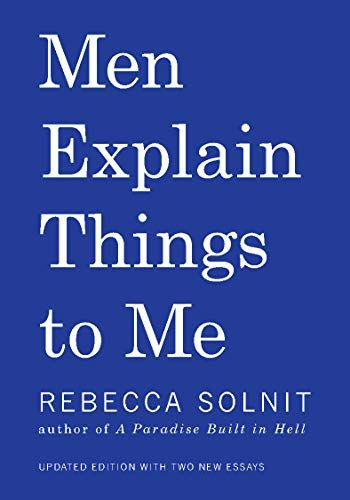
Men Explain Things to Me, by Rebecca Solnit
Shop here, Dhs96
We’ve all had the experience of being mansplained to a time or two thousand. But did you know the actual term “mansplaining” was inspired by author Rebecca Solnit’s essay Men Explain Things To Me? Well, this book is a compilation of her essays where she can take something as frustrating as having a man literally explaining her own work back to her and turn it into something memorable.
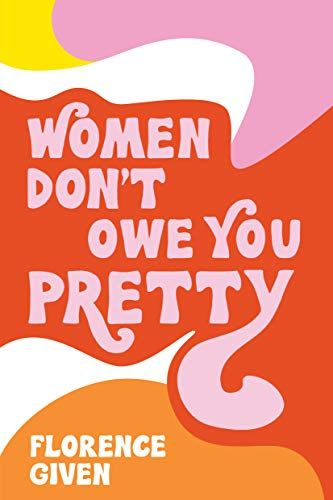
Women Don’t Owe You Pretty, by Florence Given
Shop here, Dhs70
In the era of trying to look good for social media, this book really pushes you to question the patriarchal narratives that may have subconsciously crept into your life, covering everything from taking pleasure in other women’s flaws to conforming to the male gaze.
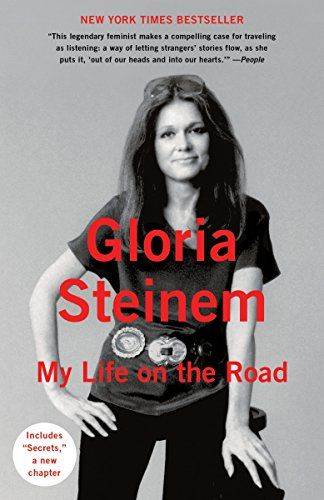
My Life on the Road, by Gloria Steinem
Shop here, Dhs106
When you think of feminist writers, Gloria Steinem is usually one of the first people who comes to mind. In this book, the journalist/activist/all-around badass tells the story of, well, her life on the road, from starting out as a journalist covering important women’s issues to co-founding the Women’s Media Center.
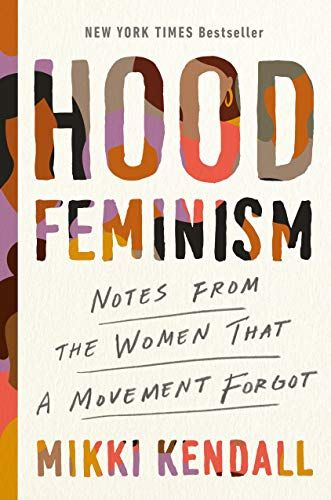
Hood Feminism: Notes from the Women That a Movement Forgot, by Mikki Kendall
Shop here, Dhs64
We can’t talk about feminism without talking about intersectionality. What is intersectional feminism? We’re glad you asked. It’s feminism that’s conscious of the fact that a woman’s many identities—race, class, ethnicity, etc.—affect how she experiences disadvantages. Mikki Kendall takes the discussion around intersectionality even further by reminding us that we must acknowledge barriers like education, violence, hunger, medical care, and more when discussing feminism at all.
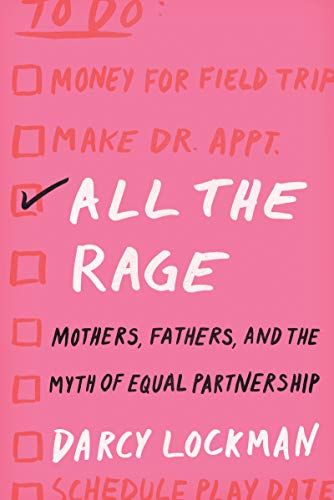
All The Rage: Mothers, Fathers, and the Myth of Equal Partnership
Shop here, Dhs105
There’s no doubt that equality for women has come a long way, but things aren’t exactly equal, ESPECIALLY when it comes to household work. Darcy Lockman’s book looks at why women are so often still stuck carrying most of the mental, emotional, and parental loads despite the idea of equal partnerships being (theoretically) popular.
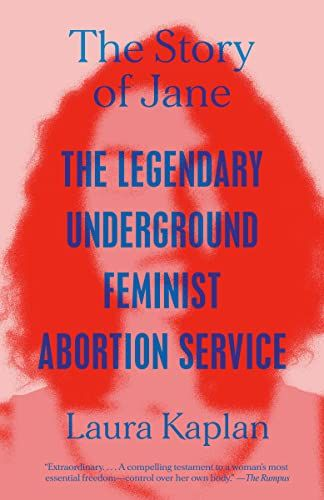
The Story of Jane: The Legendary Underground Feminist Abortion Service, by Laura Kaplan
Shop here, Dhs 105
As some states keep on with their crusade to take away women’s right to choose, this true story about the formation of the Abortion Counseling Service (aka Jane, an underground, safe abortion organization in Chicago in the ’60s) couldn’t be more topical. Jane operated until the first legal abortion clinics opened in the early ’70s, spending years protecting thousands of women from dangerous back-alley situations.
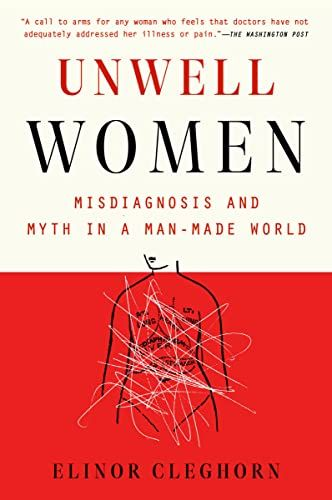
Unwell Women: Misdiagnosis and Myth in a Man-Made World, by Elinor Cleghorn
Shop here, Dhs146
Okay, raise your hand if you’ve ever had your symptoms totally dismissed by a doctor! A lot of us, right? Well, Elinor Cleghorn’s eye-opening book takes a deep dive into the history of how the medical system has failed women (all the way from Ancient Greece to modern-day problems like getting Endometriosis diagnosed) and how women are often seen as unreliable sources for what they’re feeling in their own bodies.
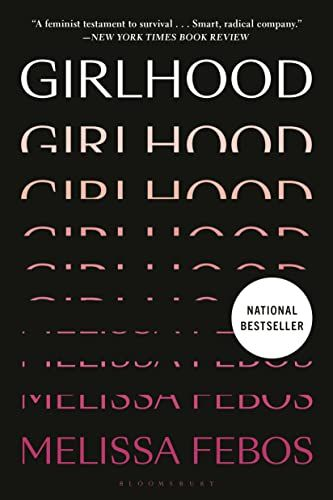
Girlhood, by Melissa Febos
Shop here, Dhs107
If you’ve ever looked back and realized the messages you got as a young girl or woman might have been kind of screwed up, this is a must-read. Melissa Febos analyzes what narratives society gives young girls and women about themselves and roles in the world and how we can reclaim power, anger, grief, and pleasure. It’s part memoir/part investigation, and you’re guaranteed to come away feeling ready to make a change.
Women, Race, & Class, by Angela Y. Davis
Shop here, Dhs98
In this classic 1983 book, Angela Y. Davis explores how racism and classism have infiltrated many feminist movements throughout history, with white women leaders often upholding ideals of white supremacy instead of advocating for women of color. She documents how well-known feminists like Susan B. Anthony and Margaret Sanger dismissed the needs of Black and working-class people in the pursuit of advancing their own agendas. Davis also shares how these historical inequalities in popular feminist movements influence how society views domestic labor, reproductive freedom, sexual assault, and other feminist issues to this day. It’s a must-read if you’re trying to learn more about intersectionality.
A Room of One’s Own, by Virginia Woolf
Shop here, Dhs 101
In this 1929 book based on two of Virginia Woolf’s lectures, she completely shuts down the sexist claim that women are inherently less talented writers and thinkers than men. To do so, she examines some of the structures that oppressed (and continue to oppress) women’s ambitions, such as expectations around domestic labor and lack of access to education. It may be nearly a century old, but this work’s ideas are just as potent today as they were then.
Talkin’ Up to the White Woman: Indigenous Women and Feminism, by Aileen Moreton-Robinson
Shop here, Dhs139
In this book, Aileen Moreton-Robinson, a professor and Indigenous woman, examines western ideas around feminism. She is a Goenpul woman of the Quandamooka people, an Aboriginal Australian group, and she looks at how white feminists in Australia have frequently either ignored or misrepresented Indigenous women in their publications and teachings.
Feminism Is for Everybody: Passionate Politics, by bell hooks
Shop here, Dhs139
bell hooks defines feminism as “a movement to end sexism, sexist exploitation, and oppression.” She explains that everyone and anyone can be feminist and to do so, one most take a global and well-rounded perspective. She applies this theory to several global issues, including reproductive rights, domestic violence, racism and social hierarchies. Her writing style is captivating and delightfully blunt, which further strengthens her call to action.
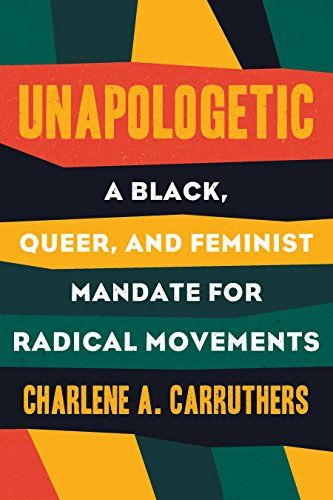
Unapologetic: A Black, Queer, and Feminist Mandate for Radical Movements by Charlene Carruthers
Shop here, Dhs93
Speaking of intersectionality, Unapologetic is also required reading on the topic, especially if you want to organize social justice movements. Charlene Carruthers will change the way you think about race, class, and gender—and how the three affect each other. She’ll also inspire you to actually do something to help empower Black people and fight systemic injustices.
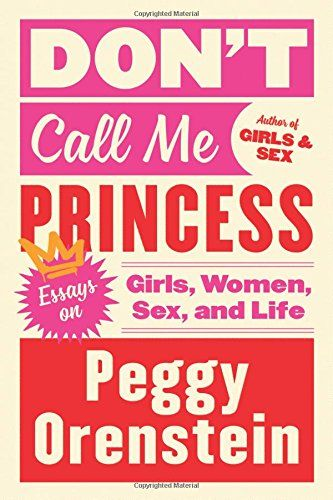
Don’t Call Me Princess: Essays on Girls, Women, Sex, and Life, by Peggy Orenstein
Shop here, Dhs144
While many tend to tiptoe around certain real-world topics, Peggy Orenstein confidently tackles feminist issues with a deliciously clever personal perspective. She delves into the pains of teenage pregnancy and motherhood, breaks down how media fabricates body image, and most importantly, explains why young girls shouldn’t aspire to be called “princesses.” Weaving scholarly research with her own personal stories makes way for a refreshing and remarkably compelling read.
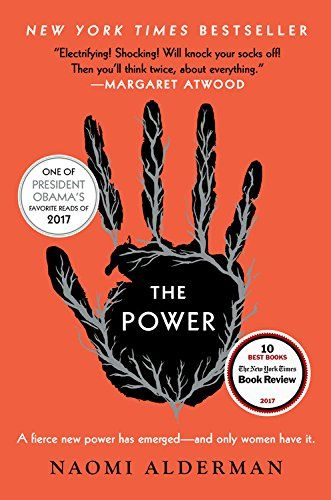
The Power, by Naomi Alderman
Shop here, Dhs109
In a world where misogyny sometimes feels inescapable, a fantastical story about female independence can be the easiest and most effective way to take yourself away from society’s harsh realities. The Power puts readers in a world where the patriarchy is facing its imminent demise, as young women are given the power to emit painful electric shocks that can be used at any time they want. Fighting off aggressors, as well as the ever-oppressive government is now (finally) possible, and despite the fact that it’s total fantasy, this book is ultimately hopeful.
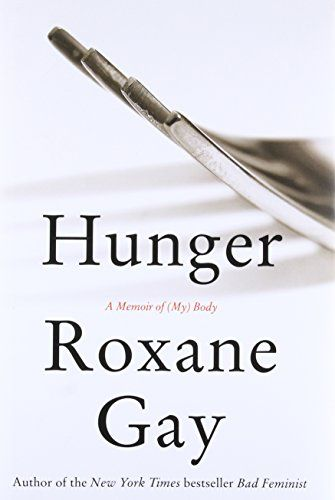
Hunger: A Memoir of (My) Body, by Roxane Gay
Shop here, Dhs42
Quick-witted memoirist Roxane Gay recounts her lifelong struggle to get back in touch with her own body after surviving a sexual assault at 12 years old. For several years after the trauma, the author shut herself off from having interpersonal relationships, turning to food and toxic relationships for emotional support. Through her writing and by facing her past, Gay learns to trust again while choosing to further mend her relationship with her body, food, and loved ones. Her candid and resilient attitude gives both survivors and interested readers alike hope for a brighter future.
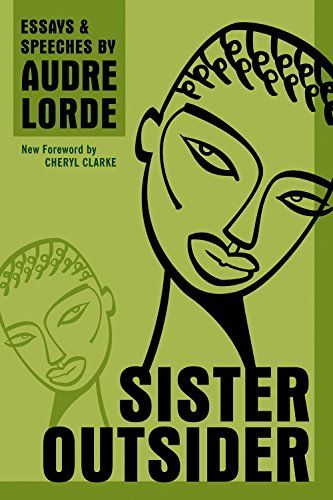
Sister Outsider: Essays and Speeches, by Audre Lorde
Shop here, Dhs120
Through various essays and speeches, late poet, activist, and feminist icon Audre Lorde aims to explain the importance of sticking together as women, no matter your race, class, birthplace, or gender. Through stories detailing her travels, encounters, and relationships, Audre’s passion shines through her work, inevitably giving readers hope for changes to come.
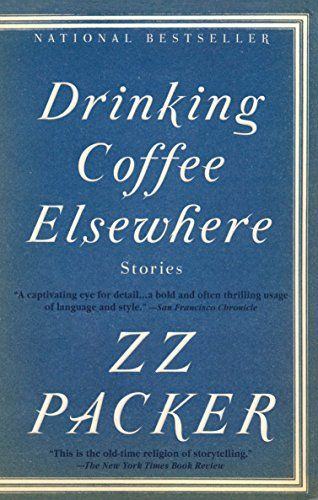
Drinking Coffee Elsewhere, by ZZ Packer
Shop here, Dhs104
Delving into various race and gender issues, short fiction writer ZZ Packer tells several fictional stories about the struggles of young women in America, from an all-Black Brownie troop teaching an all-white Brownie troop about racism, to a Black freshman at Yale University striving to navigate her new surroundings.
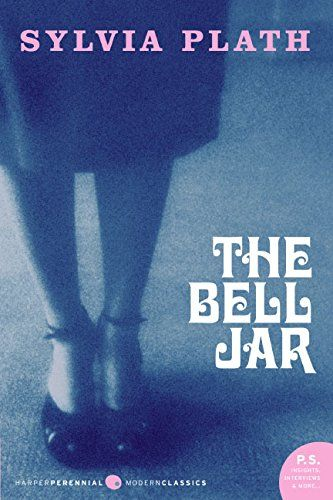
The Bell Jar, by Sylvia Plath
Shop here, Dhs34
Esther Greenwood is a talented and dark-humored (yet staggeringly depressed) young woman, who is preoccupied with the oppressed state of the government. After facing relentless academic rejection, her mental health worsens drastically. This 1963 novel is shockingly timeless in terms of issues the protagonist faces, from mental health problems to becoming consumed by nationwide issues. Aside from being unbelievably relatable at times like these, it also shows concern for what women faced (and still continue to face) in the world.
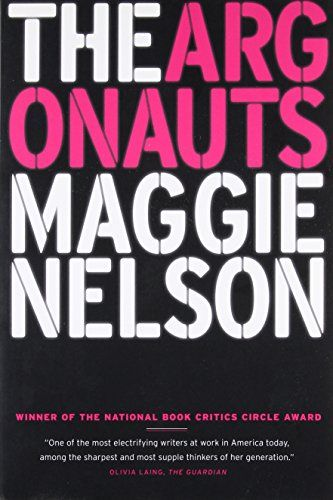
The Argonauts, by Maggie Nelson
Shop here, Dhs160
The Argonauts is a memoir-meets-love story. Nelson recounts falling in love with her gender-fluid life partner, Harry Dodge. The two get married right before Proposition 8 passes in 2008, and three years later, Nelson is pregnant while Dodge begins testosterone, followed by top surgery. Throughout the book, Nelson explores what it means to be a “family,” working to change the heteronormative and patriarchal manner in which people discuss gender roles and marriage.
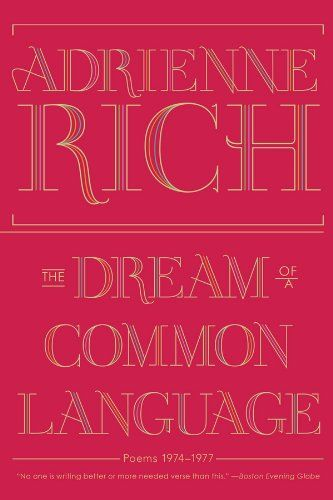
The Dream of a Common Language, by Adrienne Rich
Shop here, Dhs74
This is an anthology of Adrienne Rich’s poetry, celebrating women in every way possible. Divided into three sections: “Power,” “Twenty-One Love Poems,” and “Not Somewhere Else, But Here,” Rich blends historical female achievements, love poems, and a comparison of women with natural elements. Throughout, she reiterates the message that social principles must change to create a “common language” between men and women.
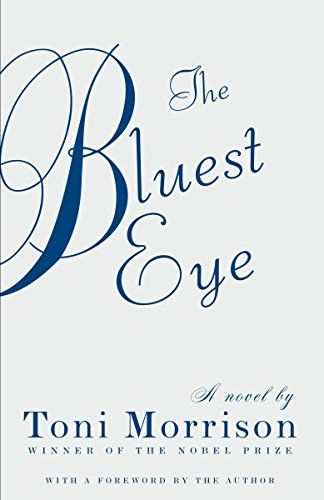
The Bluest Eye, by Toni Morrison
Shop here, Dhs35
Pecola Breedlove is a young Black student growing up in Lorain, Ohio right after the Great Depression. In a predominantly white town, she’s constantly ridiculed for her appearance, causing her to develop a burning obsession to look more like the blond, blue-eyed girls she goes to school with. Morrison’s classic novel takes a deep look into the damaging toll white beauty standards take on Black women, with the hope of breaking down “typical beauty standards.”
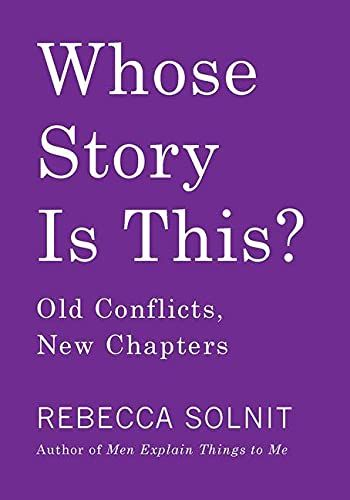
Whose Story Is This?: Old Conflicts, New Chapters, by Rebecca Solnit
Shop here, Dhs202
Rebecca Solnit (who has written many books about feminism) explores the #MeToo era in this book of essays that asks how power shapes whose stories are listened to and respected. It also touches on other important topics, like voter suppression and climate change, and how these issues intersect with power and gender.
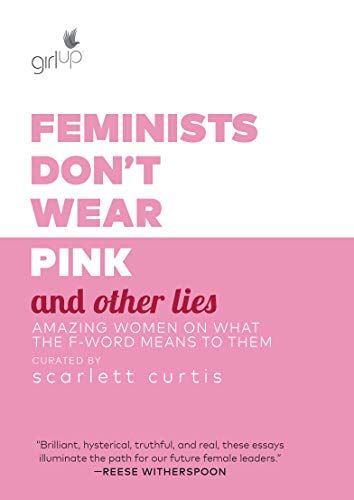
Feminists Don’t Wear Pink and Other Lies: Amazing Women on What the F-Word Means to Them, curated by Scarlett Curtis
Shop here, Dhs67
Hear what “feminism” means to Hollywood heroines like Keira Knightley and Saoirse Ronan, as well as renowned activists such as Charlie Craggs and Alicia Garza in this gorgeous compilation of short stories, essays, and poems. This collection is brought together by journalist and activist Scarlett Curtis. A variety of feminist icons give insight into when they first proclaimed themselves feminists, why they’re feminists, and what they’re feeling about feminist movements.
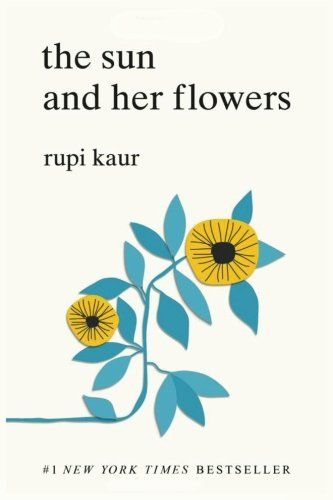
The Sun and Her Flowers, by Rupi Kaur
Shop here, Dhs45
Following her first collection of short-form poetry, Milk And Honey, Rupi Kaur debuts her second anthology of short-form poetry, The Sun And Her Flowers. Amidst grieving the end of a long-term relationship, Kaur was sexually assaulted, sending her into a downward spiral. On a quest to begin loving herself again, she explores her roots via beautiful prose, dedicating several pieces to her mother.
Via Cosmopolitan US