
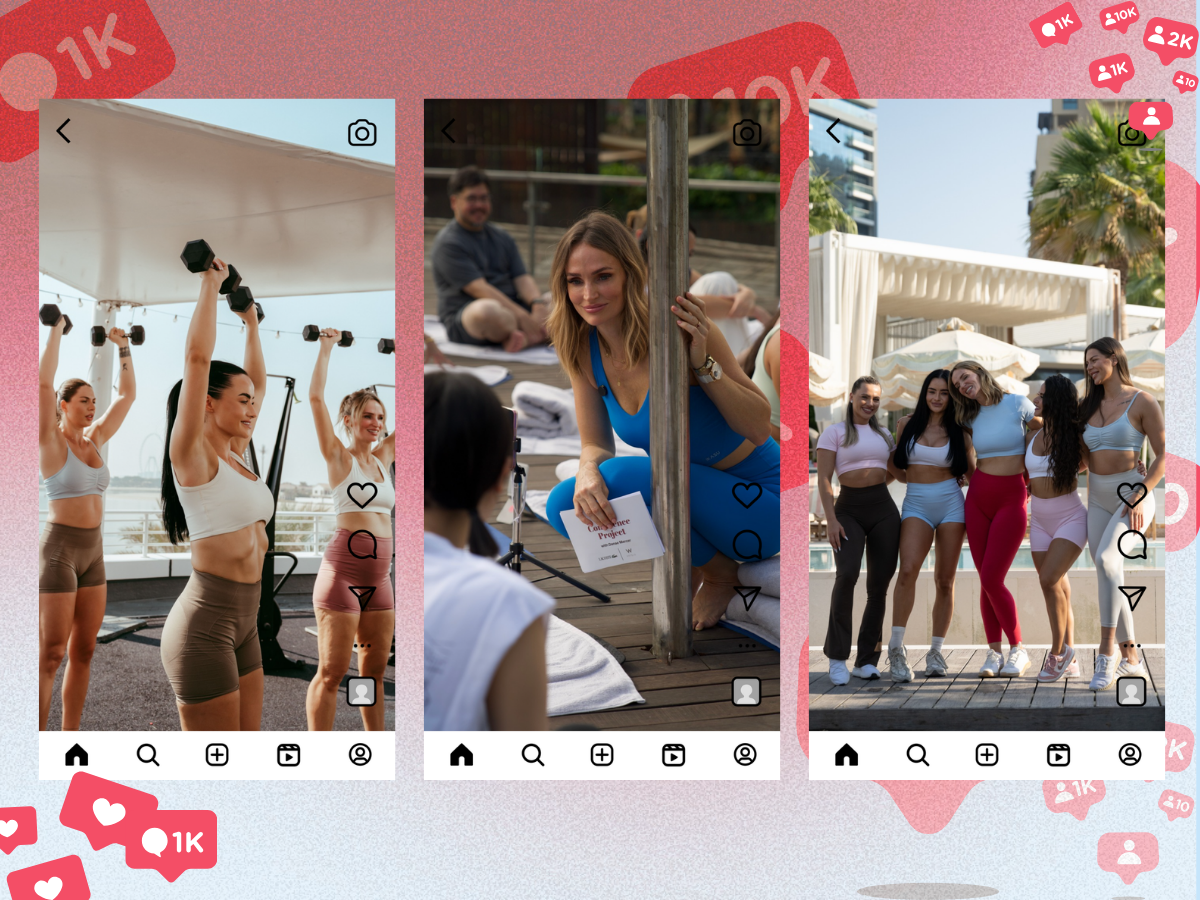

For Gen Z, the internet isn’t somewhere we visit, it’s basically where we live. Entertainment is available at the tap of a screen, your dinner can arrive before you’ve even decided what you want to watch, and pretty much anything you could want can be delivered straight to your door.
The internet doesn’t just shape how we spend our time or what we buy, it also shapes how we see ourselves. Social media has created beauty and lifestyle standards that can feel impossible to keep up with. From #SkinnyTok to the Ozempidemic, our feeds are flooded with seemingly perfect bodies, faces and lives, making it harder than ever to figure out what’s real and what’s been filtered, edited or completely fake (thank you, AI).
Sure, people from previous generations have felt insecure or seen the “goal” body in their favourite magazine. But Gen Z isn’t waiting for the next issue to hit the shelves. We’re carrying the comparison around in our pockets, 24/7. The result? Real-life bodies can start to feel less like the norm and more like something we’re expected to fix, while our confidence in our own reflection shrinks.
This doesn’t always stop at thinking “I wish I looked like that.” Constant exposure to these ideals can influence how we eat, exercise, and dress. Suddenly, a TikTok trend isn’t just a fun video; it’s another thing to measure yourself against.
The effects of that constant comparison can go deeper than simply feeling insecure. In episode 202 of the popular podcast The Psychology of Your 20s, host Jemma Sbeg explores body dysmorphia disorder (BDD) and the ways it can distort perceptions, influencing your life from diet culture to exercise decisions.
Sbeg highlights how the constant scrutiny around what is considered “right” or attractive can create heightened pressure to conform. When we’re repeatedly shown a face, body or feature as the ideal, it can be hard not to wonder why they don’t look the same.
There’s real research that backs this up. A 2023 study conducted by King’s College London and University College London found an association between the use of image-based social media and higher levels of body dysmorphia among teens. While the study doesn’t prove social media causes BDD, it does illustrate the growing connection between our online environments and how we see ourselves.
Beyond the stats, journalist and content creator Danae Mercer is showing us what those unrealistic standards look like in real life. Through her Real Confidence Project, a programme that teaches girls ten and up about social media, body image, and confidence, she uses her platform to promote body positivity and exposes what often gets left off our feeds.
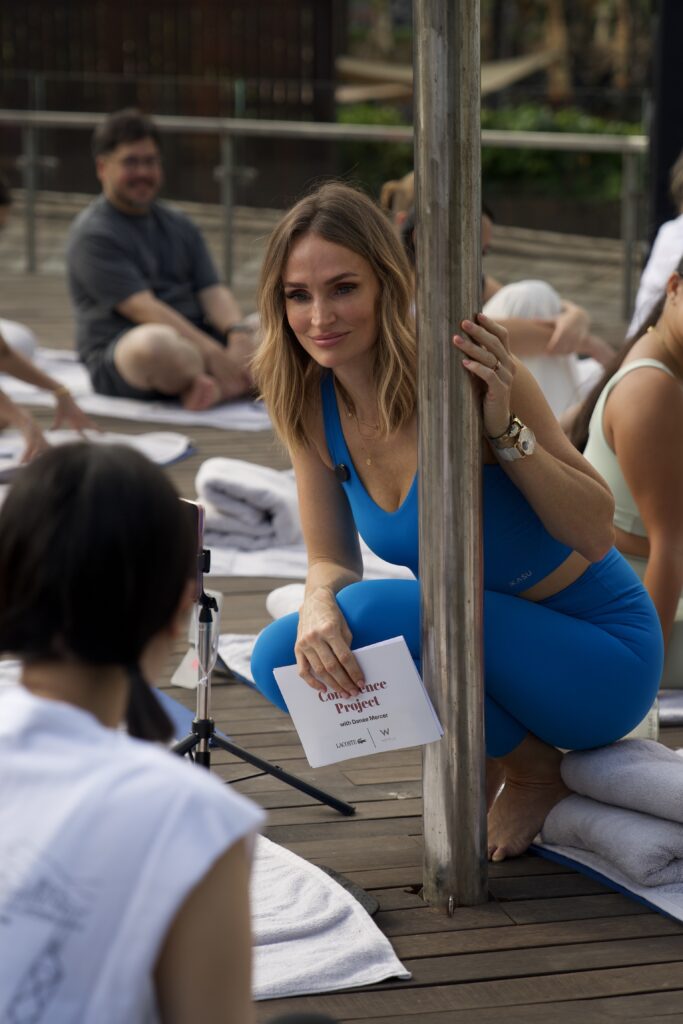
“How I pose, how I position my body, can really change what it looks like. If I arch and squeeze, I can make myself have abs, I wanted women to understand what they were seeing, and choose accordingly” said Danae.
As a mother of two young children, Danae is particularly passionate about calling out the ways social media can warp the perception of what’s considered normal. “I think that’s incredibly concerning because at a young age we don’t really have the tools to fight those kinds of comments, and all of that noise can often block out our own inner voice,” she said.
While we can’t control what appears online, Danae believes we can help younger generations navigate it with a stronger sense of their own voice. “We can have honest and supportive conversations with the younger generations to help them just tune back into their own voice.”
There is no stopping or even slowing down the online world, as we move into an era increasingly shaped by AI, the line between what’s real and what’s manufactured may only become blurrier. That makes it more crucial than ever to pause and ask: Do I actually want to be a certain size, change my hair colour, get lip filler or have I seen it so many times online that I’ve mistaken someone else’s voice for my own?
Ultimately, social media isn’t going anywhere and neither is our desire to feel good about ourselves. The challenge is recognising when the content we consume stops inspiring us and starts making us feel like we’re falling short. Maybe the goal isn’t to escape social media altogether, but to remember that the bodies, lifestyles and “perfect” moments we see on our screens are only one version of reality.
As Danae points out, content creators show us one single moment of a day, a week or a month, while we are living millions of other messy, mundane, beautiful moments in between. “It’s not good to compare the crazy chaos of our real life with this filtered, curated world that is social media, and that’s true with bodies as well.”
At the end of the day, that’s the thing about social media: it’s curated. It’s the highlight reel, the perfect lighting, the best angle, the filter that makes us tanned and perfect, the moment worth posting.
Real life just isn’t that. It’s the bad hair days, changing bodies, unplanned moments, the tears, the bloating, the outfits that looked better in your head. Maybe that’s the point. The parts of ourselves that don’t photograph perfectly are often the bits that are truly ours. When everything around us is changing and telling us who we should be, those in-between moments are where our power truly lies, because they’re only ours and no one gets to change that.