
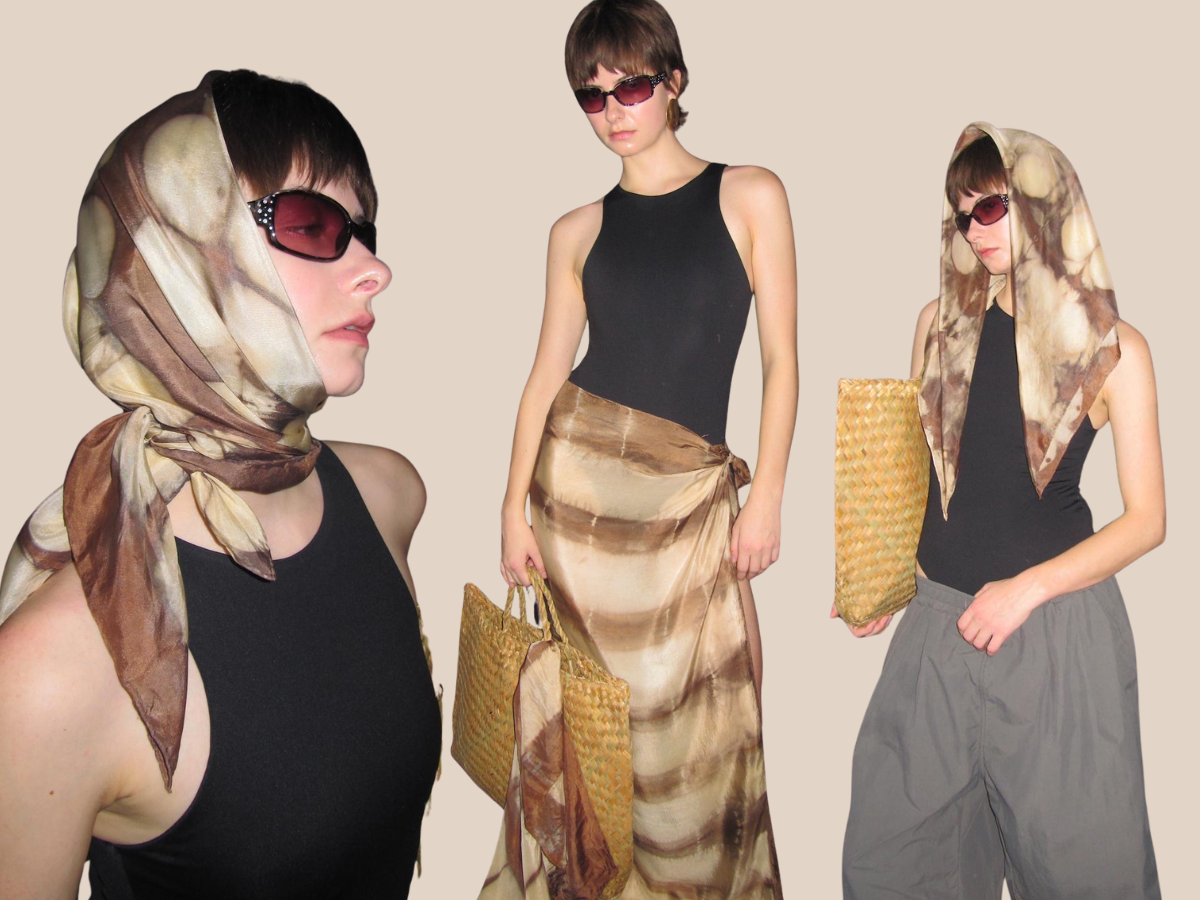

What if the most sustainable thing in your wardrobe was also the most beautiful? Egyptian designer Omar Tarek Zayed thinks it might just be a silk scarf. A style guru himself, Omar has built a reputation on designing quality silks meant to be restyled in endless ways (bonus points for creativity always). Knot it at the neck, tie it to a bag, drape it across the shoulders; in his hands, a single scarf becomes an entirely different proposition depending on how you choose to wear it. But the scarves Omar makes are not just versatile. They are steeped in cultural exchange and craftsmanship.
Currently an Artist in Residence at Harbourfront Center for Craft & Design in Toronto, Omar works with natural dyes using Japanese Shibori techniques of resist dyeing, a process that involves clamping, folding and bunching fabric to produce intricate patterns without a single brush stroke. Tie-dye finds its origins in this Japanese tradition, according to Omar, though the practice stretches far beyond that, with roots in North & East Africa, Southeast Asia and beyond. For the past two years, however, Omar has taken his work somewhere more personal, introducing henna as his primary dye.
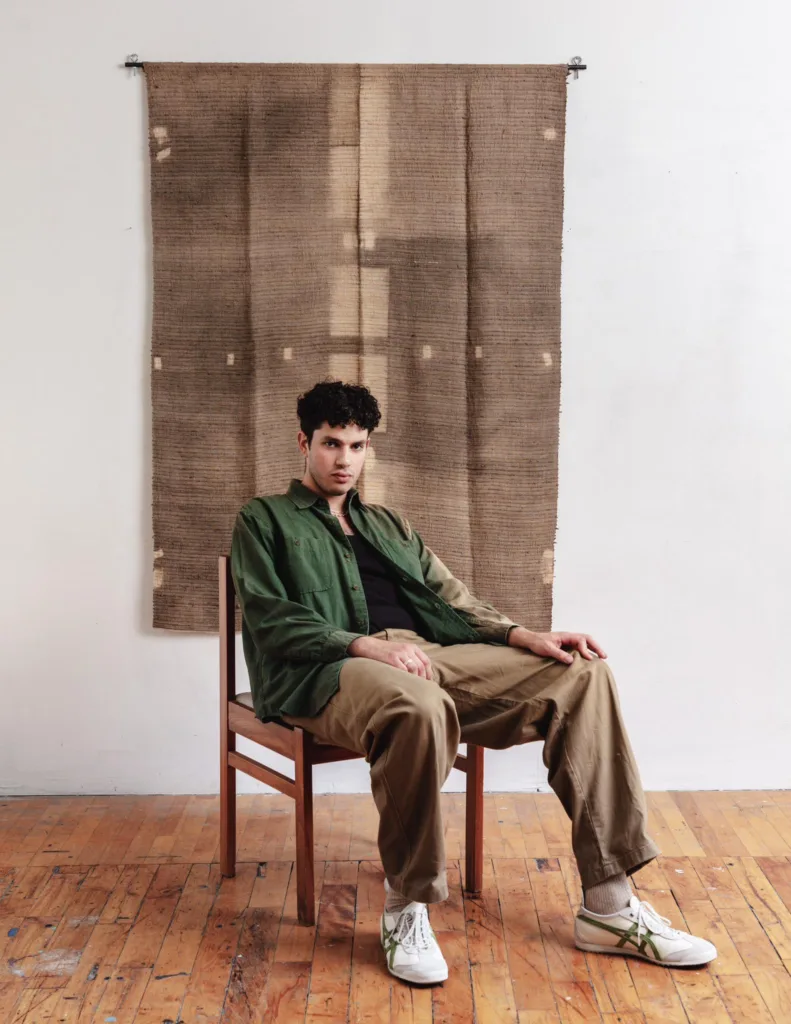
“I first came across henna on cloth in traditional and tribal veils in Morocco,” he says. “Henna is native to the Nile, yet its use on skin is so widespread. It’s practised across everywhere from South Asia to Northwest Africa and everywhere in between.” Across cultures, henna is known to bring protection, beautification, and the elevation of the body. Growing up, he saw henna woven into weddings, cosmetics and ceremonies across cultures – a symbol of femininity that transcends religion and geography.
His path to this work is inseparable from who he is. Egyptian by heritage, born in Abu Dhabi and raised in Toronto, Omar grew up in a home filled with the textiles and relics his mother had collected over the years in Egypt. Richly embroidered fabrics, traditional tapestry weavings, objects dense with history. “Very early on, I was exposed to the richness of Egyptian and Islamic art and design,” he says, “and it kind of just became this language and my first point of reference as an artist and designer.”

What strikes Omar most about Egypt’s visual history is not any single period but the sheer layering of them: ancient Egypt, Byzantine Christian Egypt, Islamic Egypt, the Ottoman era, each period leaving its own imprint on a material culture that kept absorbing, shifting and evolving. Syrian potters, Iranian craftspeople, and centuries of migration and exchange that produced something staggeringly rich. “The interconnectedness of the region,” he says, “feels like second nature to just draw from all of that. The cultural exchange is incredible.”
Omar sees it beyond himself: “I look at myself as an Egyptian artist & designer, and it’s my responsibility to not just reference it for my own pleasure, but to actually work to preserve these crafts, these codes of design, and reestablish them in a new time.”
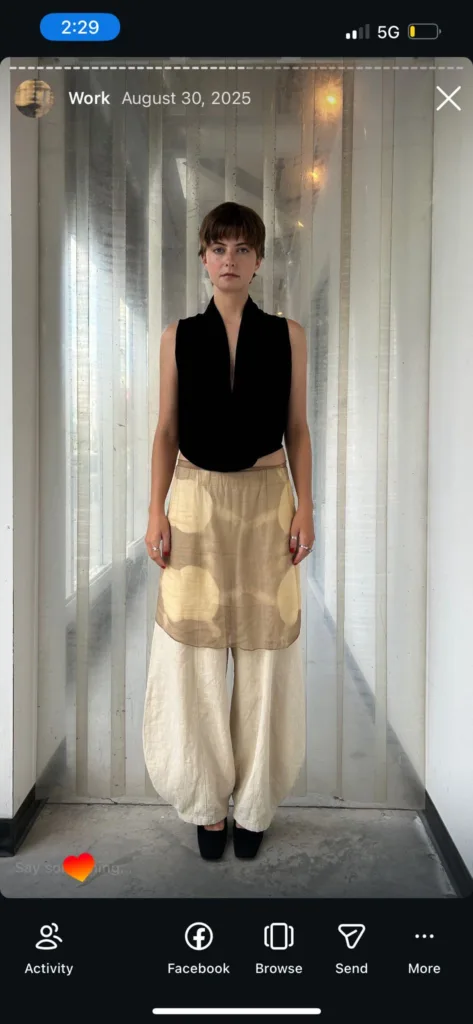
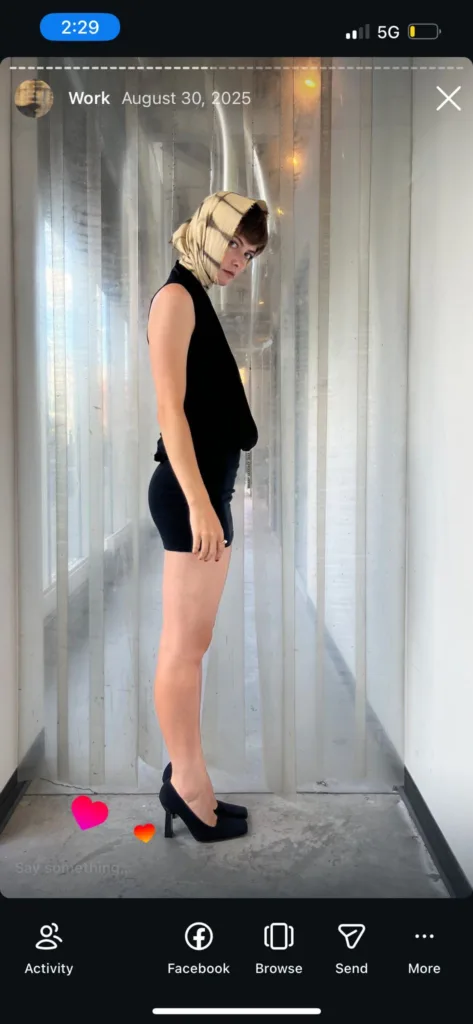
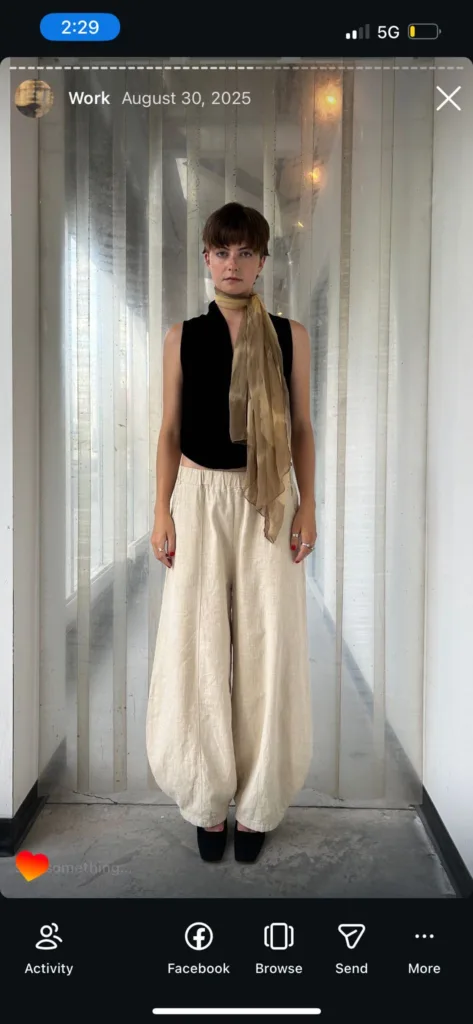
It was his bridal collection that first brought the work to a wider audience. He began selling them through Instagram drops and has sold out every single release. It is not difficult to understand why. Henna has adorned human skin for thousands of years. The silk scarf has lived in women’s wardrobes across generations. Until now, the two had largely existed in separate worlds, but Omar asked himself, “How do I translate the same visual language out of the context of bridal and into something that everyone can buy, and bring it into the everyday?” The answer, it turned out, was the silk scarf. “The silk scarf is this timeless piece of accessory that always exists in a woman’s wardrobe, one way or another,” he says. “It can speak to so many people. And each one is unique, cannot be recreated.”
Merging henna and silk scarves is for the culture, Omar believes. “Cultural caches,” he calls them, objects so loaded with meaning, so embedded in the way people dress and celebrate and express themselves, that they transcend trend and geography entirely.
His next drop will be in May. Follow his Instagram to stay tuned.