

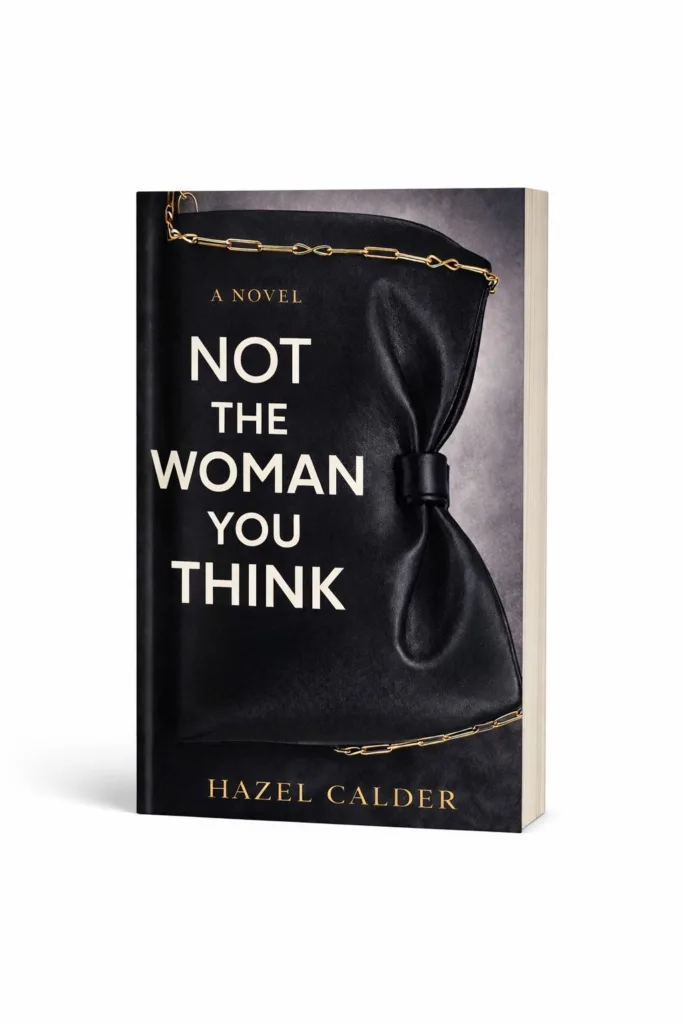
At Cosmo ME HQ, we love a good novel, *especially* when it’s set in Dubai. In Not The Woman You Think by Hazel Calder (that’s a pen name, btw), themes of performative relationships, social media perception, and the pressure of maintaining a life that looks perfect from the outside are explored. Umm…we feel seen.
We chatted with Hazel about the blurry lines between love, lifestyle, and the version of ourselves we present to the world, as well as the emotional cost of ~having it all~.
Cosmo ME: Your book gives a “your situationship just became a public scandal overnight” type of vibe. Do you think modern relationships are more performative than real right now?
Hazel Calder: I don’t think relationships themselves have changed that much. What’s changed is how visible they are. There’s always someone watching now, even if it’s just your wider social circle or people online, and that does something to how people behave. The book isn’t really about labels like situationships. It’s about what happens when something private suddenly becomes public. People start talking, making assumptions, picking sides, even if they don’t know the full story.
Cosmo ME: The relationship in the book looks perfect on paper, but emotionally it’s empty. Do you think a lot of women today are staying in relationships that look good but don’t feel good?
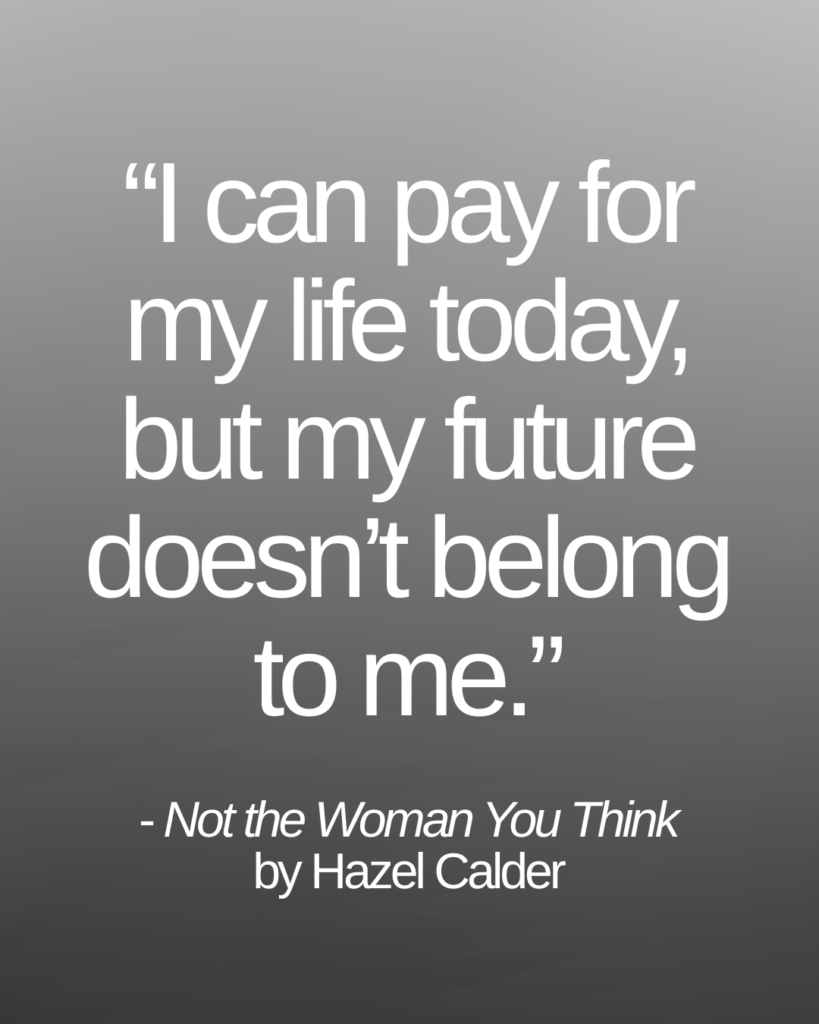
Hazel Calder: I think it’s very human to stay in something that looks good on paper, even if it doesn’t feel right anymore. Especially in long-term relationships, it’s rarely just about love. There’s comfort, history, shared routines, sometimes financial stability, sometimes fear of starting over. In the book, I wanted to show how a relationship can look completely fine from the outside, but day to day, it can feel flat or disconnected, and you start noticing it in small ways. It’s not one big moment, it’s a build up.
Cosmo ME: If Harriet’s relationship existed today in full Gen Z culture, do you think it would be a soft launch, a situationship, or something even harder to define?
Hazel Calder: I wouldn’t describe Harriet’s relationship as a situationship at all. It’s a ten year relationship, it’s committed, and from the outside it looks very stable. That’s actually the point. The relationship isn’t confusing because of what it is, it’s difficult because of how it feels. On paper, everything makes sense. In reality, there’s an emotional gap that builds over time.
Cosmo ME: Do you think social media has made it harder to tell the difference between love and lifestyle?
Hazel Calder: I think it has. People are obviously showing the best versions of everything on social media, the holidays, the dinners, the big moments that are “Instagram worthy”. You almost never see the arguments or the small, everyday things that actually tell you what a relationship is like. So it becomes easy to assume that if a relationship looks good on social media, it must be working. And that’s not always the case.
Cosmo ME: Your protagonist essentially goes viral anonymously. Do you think people today are more honest when they’re anonymous than when they’re visible?
Hazel Calder: Yes, when there are no real consequences, people are more honest. You can see it online every day. People set up anonymous accounts just to say things they would never attach to their real name. For Harriet, anonymity is what makes the book possible in the first place. She can say what she really thinks about her relationship without blowing up her life.
Cosmo ME: There’s a strong theme of who you are vs who you present. Do you think we’re all kind of living double lives online now?
Hazel Calder: I wouldn’t call it a double life. But people are very selective about what they show. Social media is where you post the nice parts, holidays, dinners, celebrations, moments you’re proud of. You don’t post the arguments or the boring, everyday parts that make up most of a relationship. Even then, it’s easy to forget that what you’re seeing is only a small, edited part of someone’s life.
Cosmo ME: If Harriet had TikTok, do you think she would’ve exposed her life differently, or even sooner?
Hazel Calder: The whole point with Harriet is that she doesn’t want to expose her life, that’s the reason she writes anonymously in the first place. If anything, a platform like that would just make her more careful, not less.
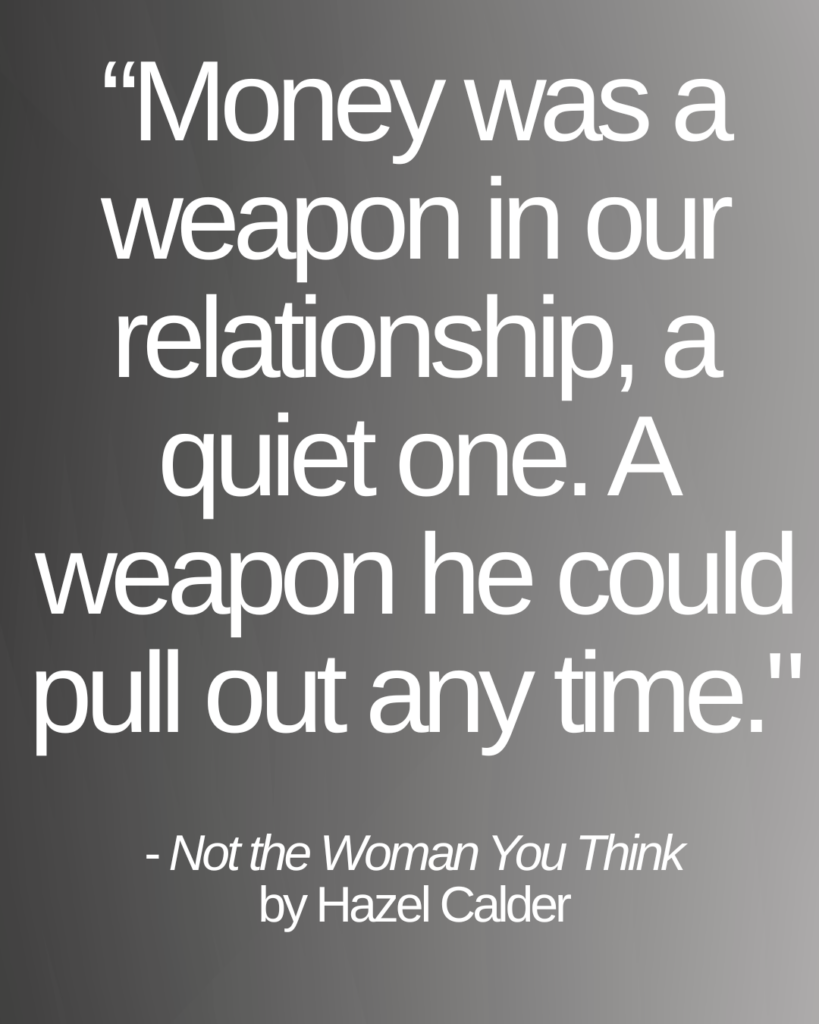
Cosmo ME: One of the most interesting parts of the book is power, especially financial power. Do you think Gen Z is more aware of this dynamic in relationships than previous generations?
Hazel Calder: I do think there’s more awareness now. You see more people talking openly about financial independence, separate bank accounts, and making sure they’re not fully reliant on a partner. That doesn’t mean the dynamic has disappeared. Money still plays a role in a lot of relationships. But I think younger generations are more conscious of it and more intentional about protecting their independence.
Cosmo ME: The idea that someone can look independent but actually not be in control of their life feels very current. Was that intentional?
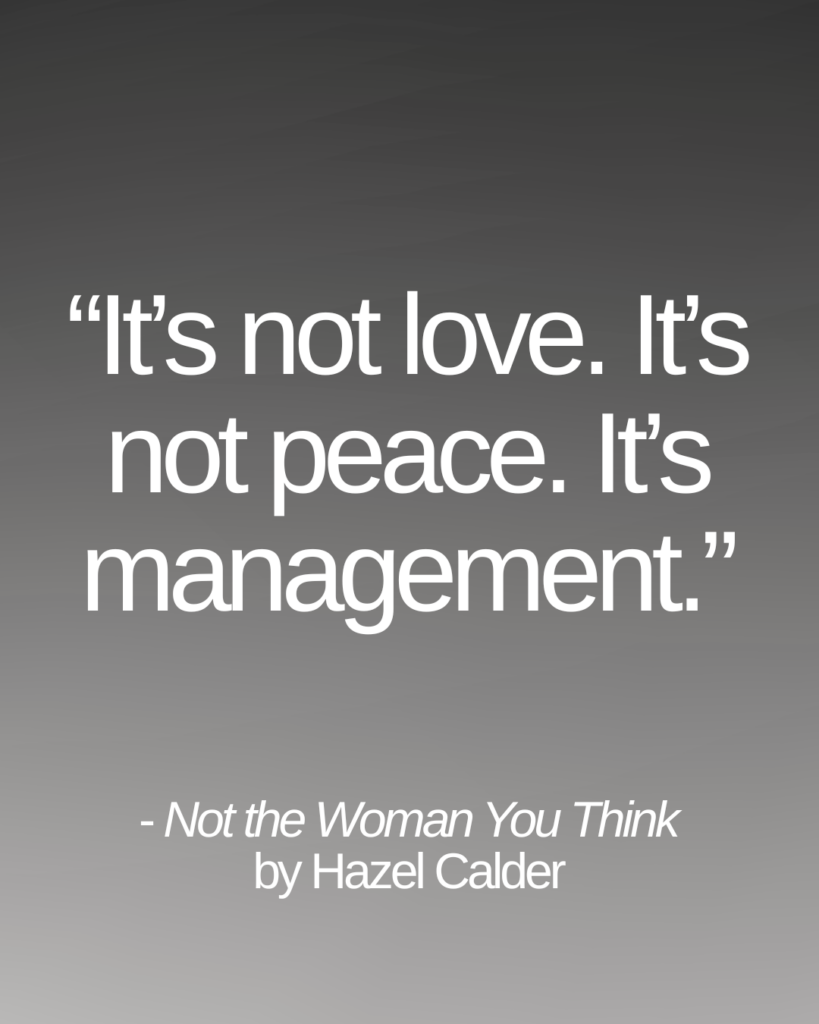
Hazel Calder: Yes, that was very intentional. It’s something I see a lot in Dubai. On the surface, people can look very independent, good jobs, expensive lifestyle, everything looks put together. But that doesn’t always mean there’s real financial security behind it. There’s no real safety net here, no pension, and it’s very easy to live beyond your means without fully realizing it.
Cosmo ME: You’ve chosen to write under a pen name, just like your protagonist hides behind anonymity. How much of that was intentional, and how much does it mirror the themes of the book?
Hazel Calder: It was very intentional. I have a corporate job, and I want to keep my writing separate from my everyday life and my work environment. At the same time, it fits the themes of the book. It’s about control and deciding what you share and what you don’t. Using a pen name gives me that distance, and that’s exactly what Harriet is trying to protect as well.
Cosmo ME: Do you think anonymity gives women more freedom to tell the truth?
Hazel Calder: I don’t think anonymity is something people should need in an ideal world. You should be able to stand behind what you say. But in reality, there are consequences to being fully open, especially when it comes to personal relationships or anything that involves other people. And that’s where anonymity can give you a certain freedom to be more direct than you might be otherwise.
Cosmo ME: If you had to sum up the book in one Gen Z warning, would it be something like, don’t build a life that only looks good on Instagram?
Hazel Calder: If I had to put it in one line: don’t build a life you can’t afford to sustain. Enjoy the lifestyle, but don’t get carried away by it. Save your money, stay independent, and don’t rely on a partner for your long term security. Otherwise you wake up ten years later and realize you have nothing to fall back on.
Cosmo ME: The book explores the cost of ambition. Do you think women today are being sold success in a way that actually disconnects them from themselves?
Hazel Calder: I think there’s a lot of pressure on women to get everything right at the same time. You’re expected to have a successful career, a strong relationship, a family, take care of yourself, stay attractive, stay independent. It’s a long list. You end up trying to meet all of it instead of asking what actually matters to you.
Cosmo ME: Is the real danger in the story the relationship, or the life she built around it?
Hazel Calder: It’s not the relationship on its own. The real danger is the position she has put herself in over time. She’s built a life that looks secure from the outside, but underneath it she’s financially dependent and tied a lot of her stability to one person. Once everything is built on that foundation, it becomes very hard to step away without losing a lot.
Cosmo ME: Is there anything else you’d like to add?
Hazel Calder: Maybe one thing I’d add is that in the book, money is never really just about money. For Harriet, it’s tied to feeling valued, feeling secure, even feeling loved. And in a place like Dubai, that can feel very normal. But buying things or living a certain lifestyle doesn’t fix feeling insecure, or unsure about your relationship, or like you don’t fully have control over your own life.
Buy your copy of the book here.