
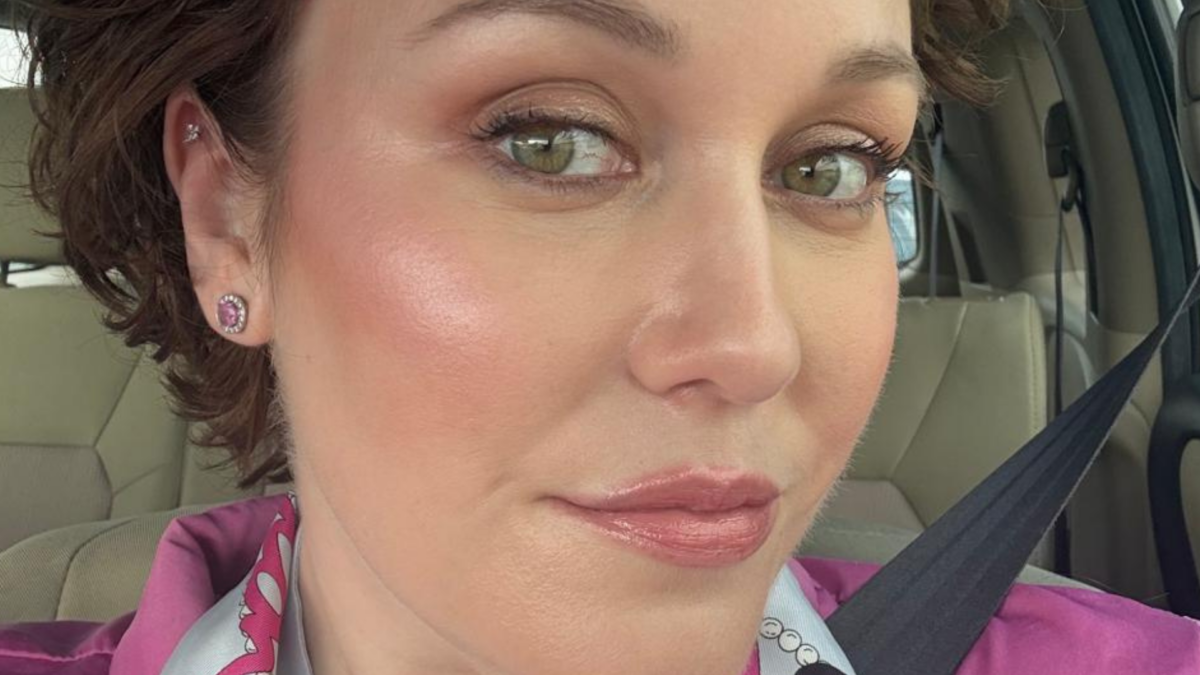

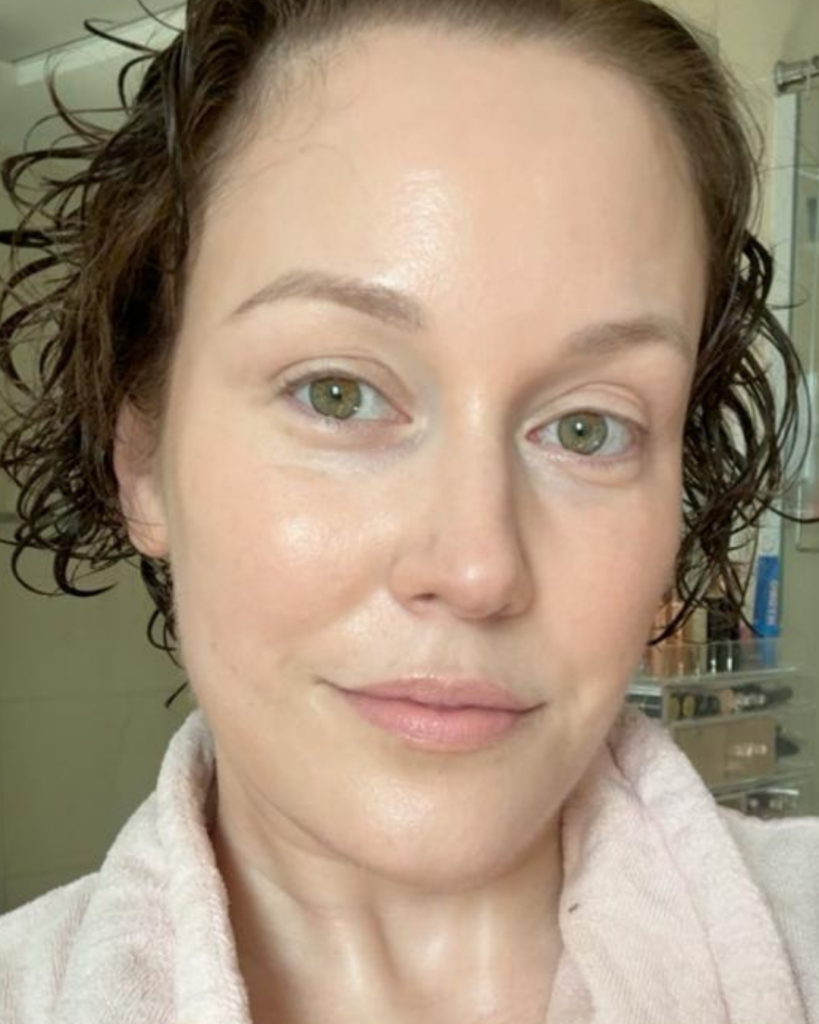
After going through 16 grueling rounds of chemo for hormone-positive breast cancer, my skin took a serious hit. My once glowing and clear complexion turned into skin that was riddled with hyperpigmentation. Not to mention its radiance was gone. Sadly, my face card was as lacklustre as a matte grey mani.
Naturally, there was only one thing to do. Pop on over to the Skin Clinic by Mediclinic Dubai Mall to let certified cosmetic and medical dermatologist, Dr. Ali Halawi, work his magic and fix my reflection.
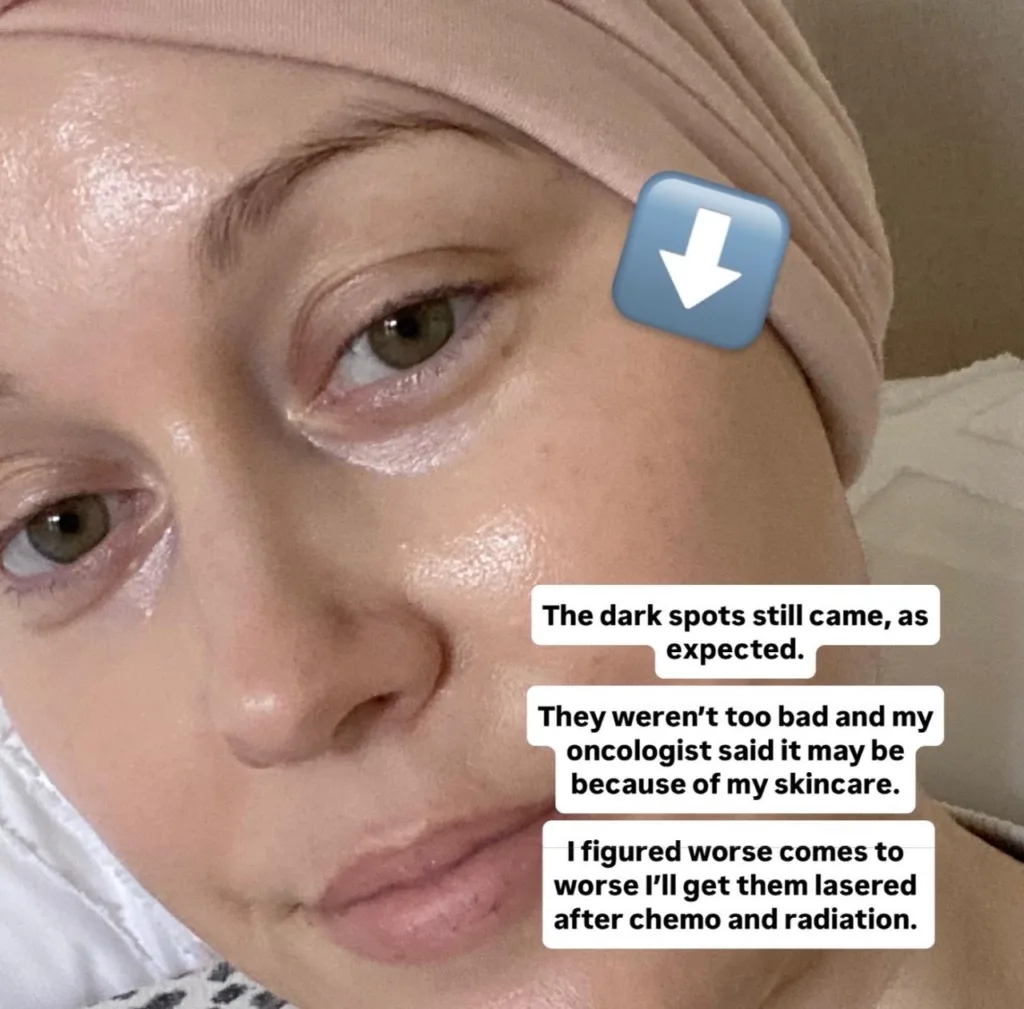
As much as I wanted Dr. Ali to shock my canvas back into submission, he explained that the best route was a non-aggressive one, and suggested we go through a series of laser skin treatments.
To understand his approach, I asked Dr. Ali to explain the science behind it.
Cosmo ME: What made you choose BBL and Pico Genesis as the lasers to bring my skin back after chemotherapy, instead of other resurfacing options?
Dr. Ali: When treating skin after chemotherapy, my priority is always respecting the skin’s reduced resilience while still achieving meaningful improvement.
BBL and Pico Genesis are both non-ablative technologies, which means they work without removing layers of skin or creating open wounds.
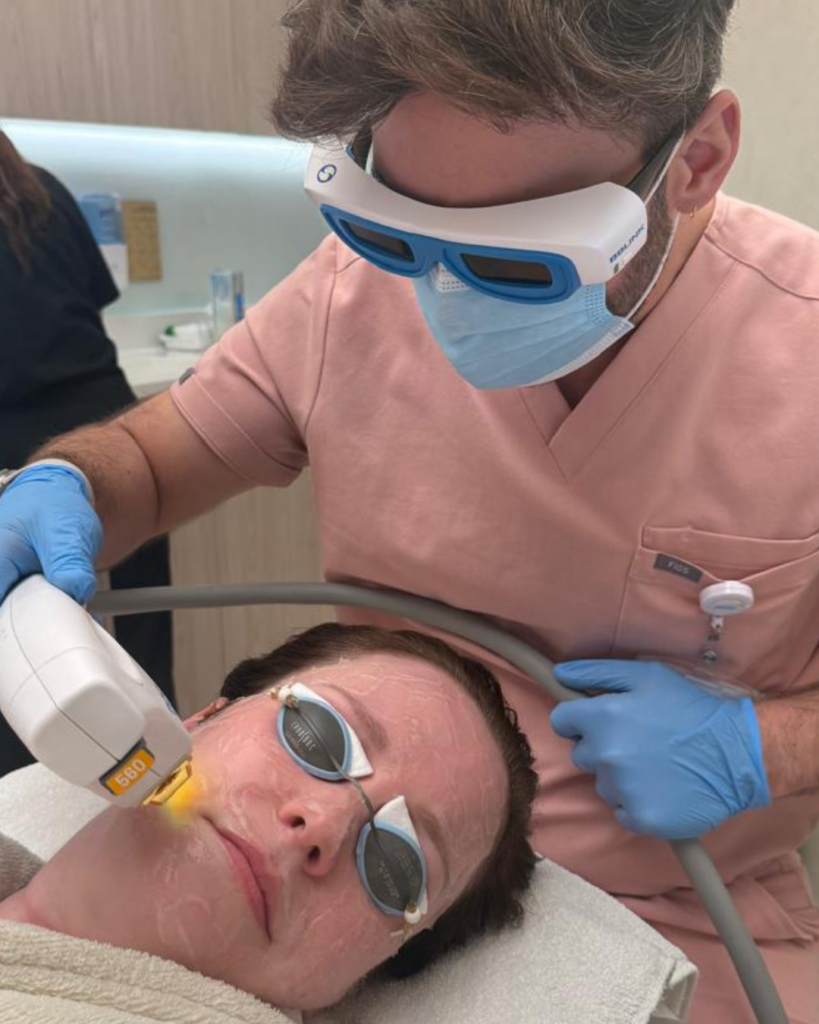
These technologies allow us to address common post-treatment concerns, such as pigmentation, redness, dullness, and early texture changes, while keeping inflammation, downtime, and risk as low as possible.
More aggressive resurfacing lasers can be effective in the right patient, but they carry higher risks that are often unnecessary at this stage of recovery.
Cosmo ME: Can you explain in simple terms what each treatment does to the skin and how they target discoloration, dullness, and texture differently?
Dr. Ali: BBL works by delivering broad-spectrum light into the skin, which is absorbed by pigment and redness.
That energy helps break down discoloration and stimulates the skin’s natural repair processes, including collagen production. Clinically, this translates into brighter, more even-toned skin with improved clarity.
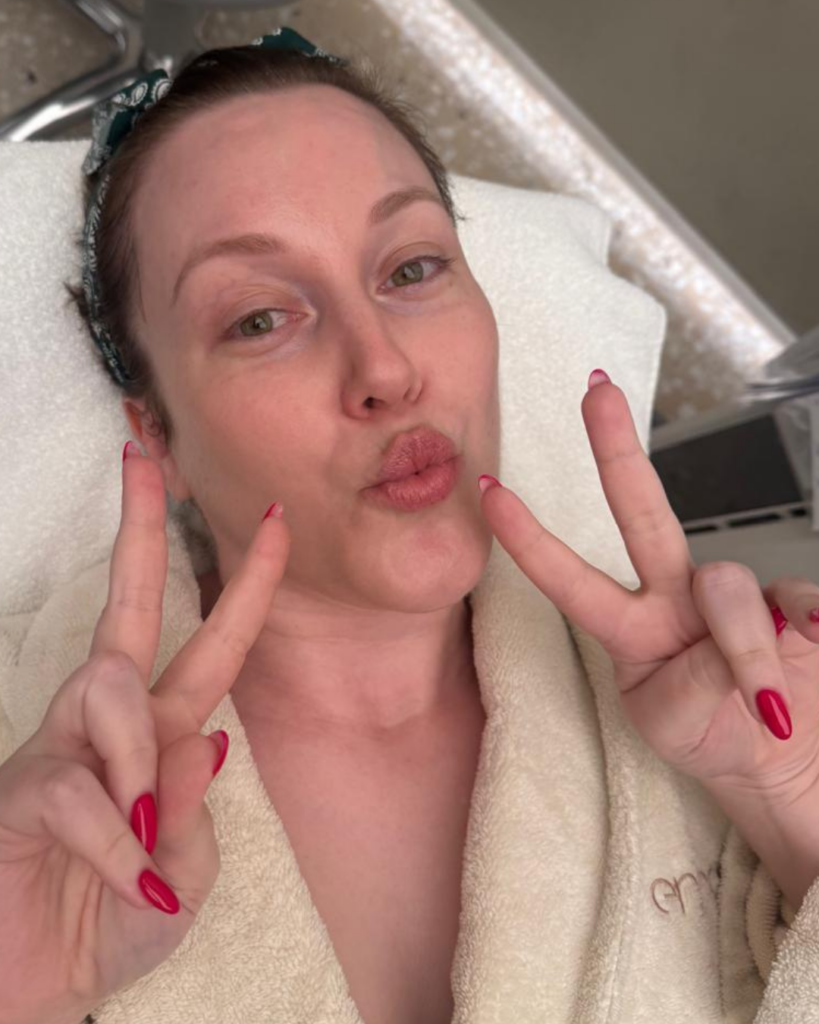
Pico Genesis works differently. It uses ultra-short picosecond pulses that create a mechanical effect rather than prolonged heat. These pulses break pigment into tiny particles that the body can naturally clear, while also stimulating collagen at a deeper level.
The result is improved pigmentation, brightness, and subtle texture refinement, often with very minimal irritation.
Together, they complement each other. BBL broadly improves tone and redness, while Pico Genesis refines pigmentation and texture with high precision.
Cosmo ME: For someone recovering from breast cancer treatment, why are these lasers considered safer or more effective than more aggressive procedures?
Dr. Ali: After breast cancer treatment, especially chemotherapy, the skin’s ability to repair itself may be temporarily altered.
Aggressive resurfacing procedures intentionally create controlled injury to force renewal, which can increase the risk of prolonged redness, scarring, infection, or pigment changes in vulnerable skin.
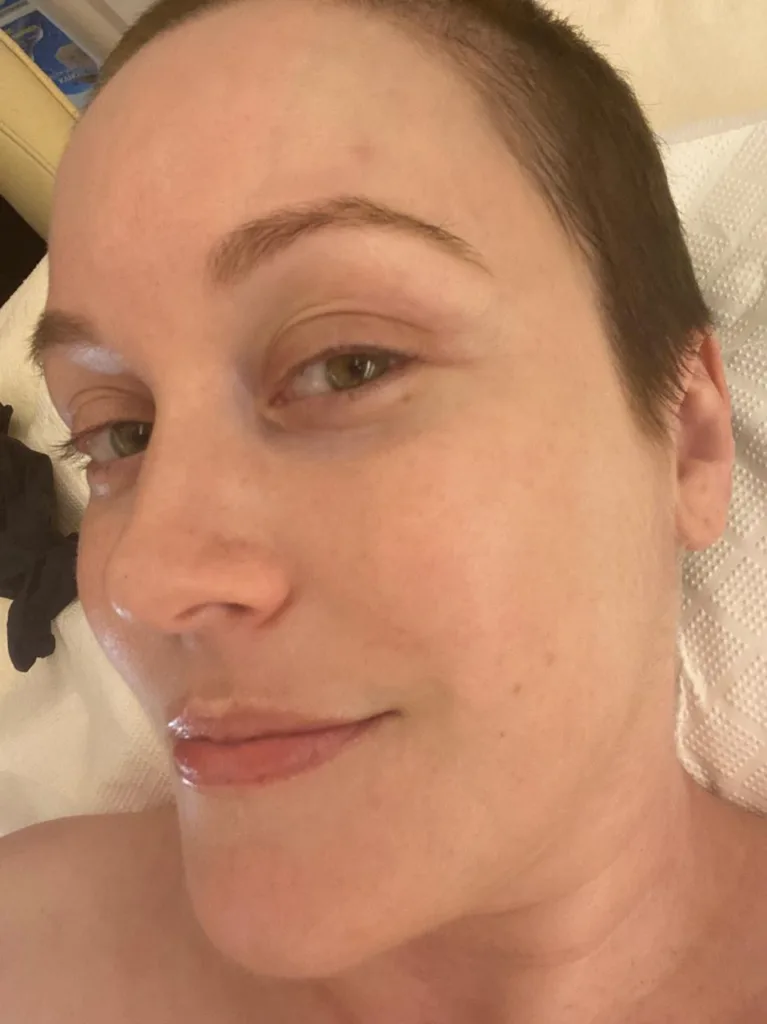
BBL and Pico Genesis stimulate renewal without relying on significant injury. They allow us to improve skin quality while maintaining the integrity of the skin barrier, which is critical during recovery.
From a safety standpoint, balancing visible improvement with minimal physiological stress is often the most responsible approach.
Cosmo ME: What are the main goals when treating post-chemo skin, and how do lasers help restore glow and overall skin health?
Dr. Ali: The main goals are to restore even tone, rebuild collagen support, improve texture, and bring back luminosity, all while protecting skin health.
Post-chemo skin often looks dull, uneven, or fatigued, not because of aging alone, but because normal cellular turnover and repair were disrupted.
Lasers like BBL and Pico Genesis help by reactivating those natural processes. They stimulate collagen and elastin, encourage healthier cell turnover, and reduce pigment irregularities.
Over time, this leads to skin that looks clearer, stronger, and more radiant. Not “over-treated,” but genuinely healthier.
Cosmo ME: Is there anything people should know about timing, prep, or aftercare if they’re coming out of cancer treatment and want to explore lasers?
Dr. Ali: Timing is very important. We always want to ensure that active treatment has ended, the skin is stable, and the patient has medical clearance when needed.
Preparation focuses on calming and protecting the skin. It’s important to avoid sun exposure, harsh actives, or irritation beforehand.
Aftercare is equally important. Gentle skincare, strict sun protection, and allowing the skin time to respond gradually are essential.
These treatments are typically done in a series, not as a one-off, because we’re working with the skin’s biology rather than forcing change.
Cosmo ME: Is there anything else you’d like to add?
Dr. Ali: This kind of treatment is about restoration, not correction. For many people recovering from cancer, skin treatments are not just cosmetic. They’re part of feeling like themselves again.
Choosing the right technology, pacing treatments appropriately, and working with an experienced provider makes all the difference.
The goal is healthy, resilient skin that reflects recovery. Not procedures that push the skin faster than it’s ready to go.
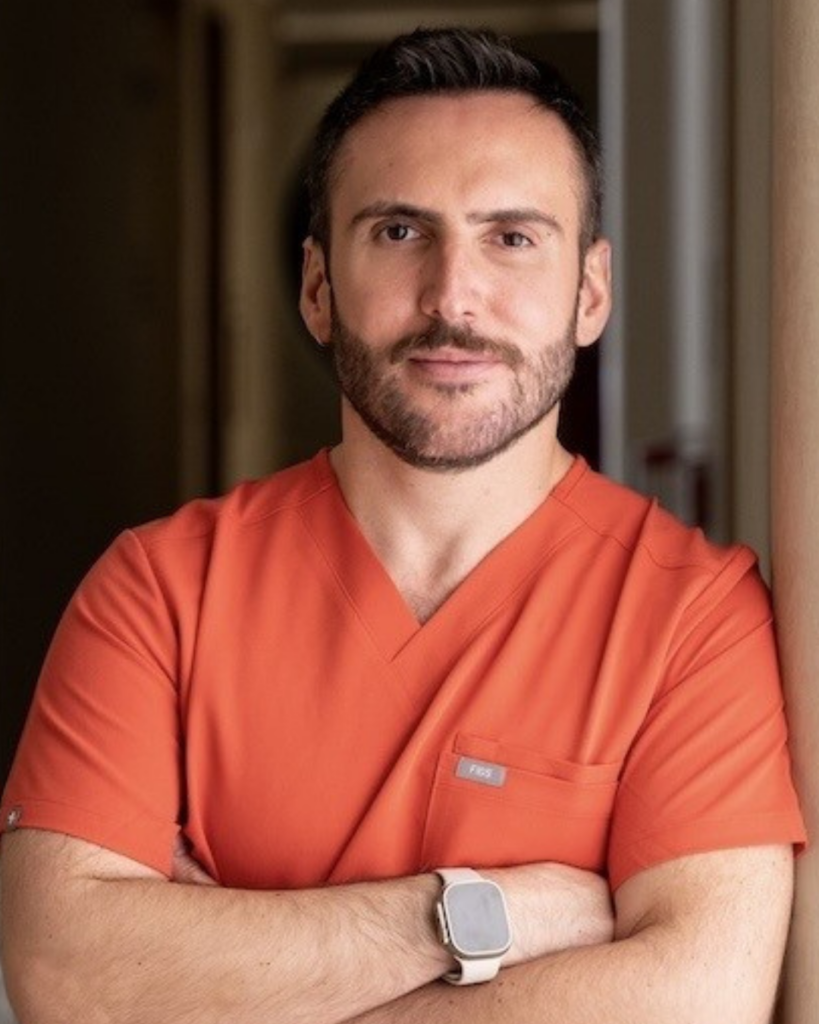
For appointments with Dr. Ali, kindly WhatsApp+971 50 680 8474 or call 800 1999. Ask him to play Backstreet Boys during your sessions and he might just do it!