

In Saudi Arabia a new era of showbiz is taking shape, and with it, a wave of job opportunities for young Arab women.
From glitzy production gigs to cutting-edge creative roles, the country is luring top talent and reshaping the entertainment landscape.
Want the intel on what its *really* like working in showbiz in KSA, or wondering how you can nab a role on set? Keep reading as Cosmo ME has got the tea from women who are already doing it.
Presenting Fashion with Reem Faisal
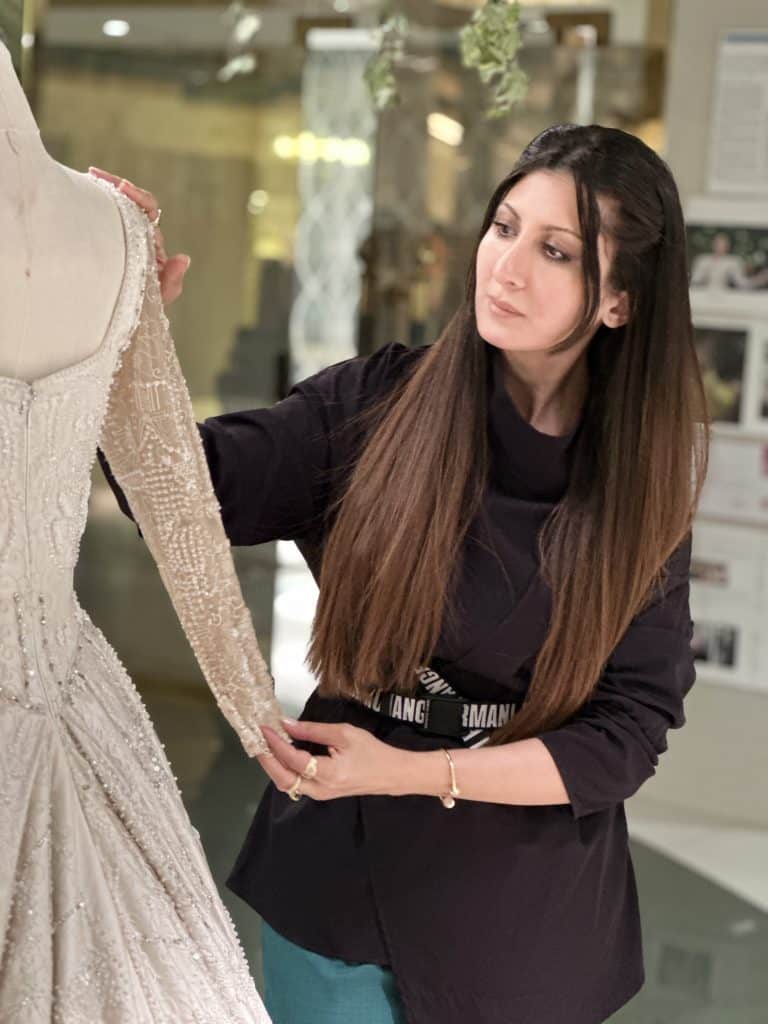
Nowadays, fashion and entertainment go hand-in-hand. At the helm of
the action in Saudi is entrepreneur and program host Reem Faisal. She knows a thing or two about navigating the industry. Interested in hosting fashion content? Reem spills the tea…
How to be confident on camera…
I never struggled with confidence in front of the camera. I did, however, go through a process of observing different voice modulation techniques and a study of my best angles and facial expressions to improve on the delivery of content. For example, my eye expressions can look too fixated and too strong, so I developed a technique that I call “the sleepy eyes” – I convince myself that I’m getting a back massage during the scene, so it eases my visual expression to be softer.
Her skills…
I utilise my passion and love for presenting and the flexibility to learn and adapt. The more rigid you are in your ways, the more difficulties you will face working in a huge team of cast and crew with shooting schedules and changing screen requirements. You may be a boss where you normally work, but in show business, you’re part of an industry that only recognises talent on screen. It can be ruthless.
Her biggest milestone…
There was the time where I worked with Belgian chocolate chef Erik Van Der Veken to make the first ever chocolate fabric wedding gown in Saudi in 2015. Then there was also my TedX speech on prejudices against fashion in the region in 2016.
Here’s one thing you need to know about TV presenting
Never underestimate how much the understanding of screen tempo and vocal delivery skills go into TV presenting. Being knowledgeable in your field isn’t enough. There is a lot of energy and focus that goes into emoting – unleashing emotion into your content to make it appealing for viewers.
Her life beyond work…
I am a biker. When I’m not working in showbiz, I’m out in nature, hiking and motorcycling to reset and recharge. I entered the world of motorcycles last year and am madly in love. The outdoors is a passion for me, which a lot of people don’t know. The more rustic the experience the better. Biking and hiking set parts of me free, in a way no other experience can.
Her biggest advice…
Start on your social media. Create content as your pages can serve as your business card and portfolio. You need be ready when opportunity comes looking for you. Filming yourself will also help you finesse your tone of voice, figure out your best angles and get an understanding of how you come across on camera, which is all useful intel for TV jobs. It will all help for when you get a screen test or job interview.
Putting the biz in showbiz with Shahrazad Faisal
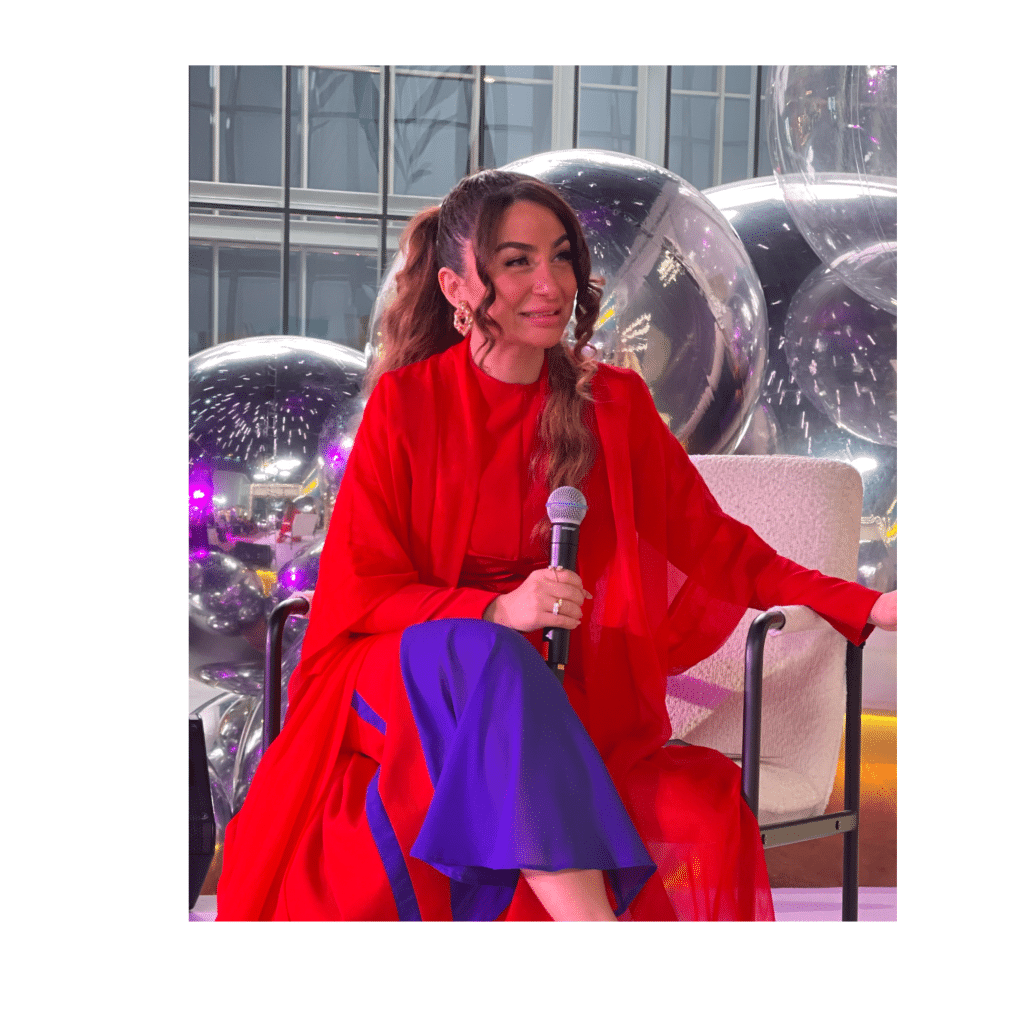
Shahrazad Faisal is a master of speaking on entrepreneurship and business development in the Middle East and beyond. So much so, in fact, that she now runs her own MC and hosting agency to train those looking to enter the field. She is, consequently, a pro to take some serious notes from. Here’s what you need to know about the business of the industry…
Her career so far…
It started with my love for researching and relaying information – I began as an economist at one of the biggest Saudi banks and stayed there for several years. However, I found that finding information and scripting it without directly presenting it to the receivers felt incomplete and lacked human connection. Years later, I was introduced to the world of TV and broadcasting and started my segment on entrepreneurial and business development-related content. I would say the defining moment was when the channel introduced me to live broadcasting, where there were no retakes. You have one shot, and you have to get it right. This love for hosting live is what pushed me to start hosting live events and conferences on stage, and now I own my very own MC/hosting agency.
The most important thing she’s learned…
There is a lesson to be learned every time. Some are about the practice of hosting, some are related to your relationship with yourself (as you are your own team on stage), and some are about the art of relaying a message and touching people’s hearts.
If I were to summarise the most prominent lessons the stage and TV have taught me, they would be; firstly, work on strengthening your presence. Attention is not demanded; it is instantly commanded when you have a strong presence. Secondly, silence is louder than words. Implicit messages go a long way. People feel what you make them feel long before they hear what you have to say to them. Work on your body language and your energy, not just your words.
What you need to know about being on live TV…
Presenting involves achieving two of the most contradictory things at the same time – being an active part of the chaos in the control room (where all the planning and directing takes place) while maintaining a calm and confident persona
on-screen. This requires a different level of multitasking skills, nerves of steel, and a very concealing face.
How to master the art of stage presence…
Every angle of hosting on stage is rewarding. However, I would say that being able to create an authentic human connection with the audience, regardless of their demographic background or field, is by far the most rewarding aspect.
When I’m on stage, I must gain the audience’s attention and establish a credible connection with them, enabling them to effortlessly receive the intended message. The more I host, the more I come to value the power of this connection. Watching the audience interact with me, actively adding life to the event and giving value to the proposed content, provides instant gratification every time.
I would also say that another great aspect of hosting is being exposed to constant growth. To host impactfully, I need to stay ahead of the game and be well-informed in all the different fields I host for (everything from real estate to cybersecurity), allowing me to continuously broaden my horizons.
Her biggest advice…
If you want to succeed in the TV world there are three basic elements to focus on. Make sure you define your unique presenter personality—one that truly represents you. Also, find content that falls into your area of passion and interest, this will help you to be true and authentic. Finally, continuously work on enhancing your hosting skills and create challenges for even more self-improvement
The art of TV makeup with Manar Jamil Abdel Karim
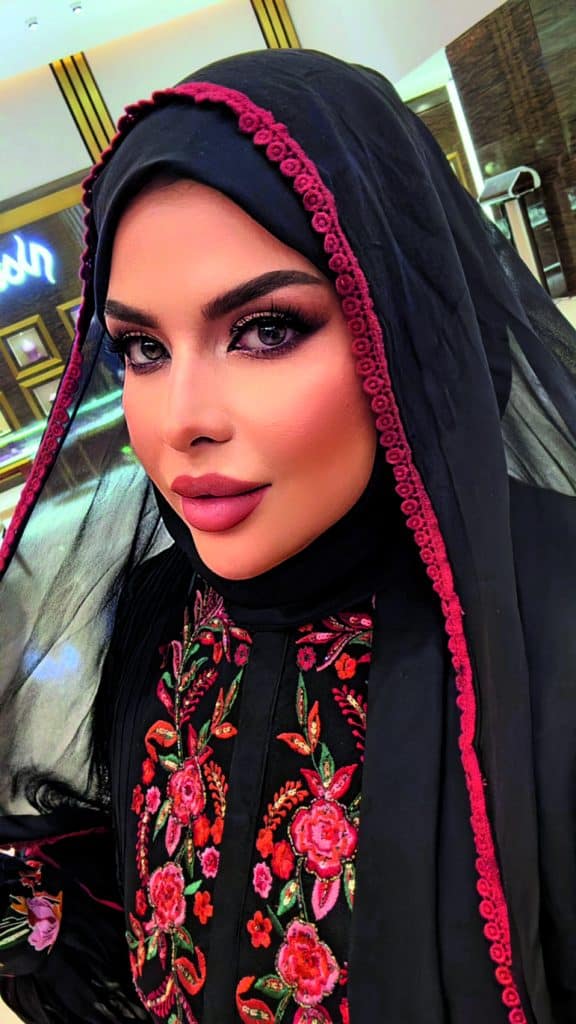
Being an MUA is an art-form in itself. But live TV makeup? Yup, that’s a whole other skillset to master. Get to know the desirable role of a TV makeup artists, in all its gritty, glamorous glory from Manar Jamil.
Her job…
I have the passion to create something new through art. Since I was young, I have loved drawing. My journey to becoming a makeup artist has been filled with passion and patience and feelings to convey the information that every woman is beautiful. I work with international makeup brands and create looks with them that highlight this message. My inspiration in this journey is to make everyone happy.
Her hot tips…
The most important thing to know about applying makeup for TV is that it’s different from regular makeup. Colouring is super important. TV lighting absorbs the colours of makeup and actually increase them by two or three degrees. So you need to be careful with steps like contouring. It’s very similar to bridal makeup. Also, an important thing to remember when doing makeup for the screen is that the skin needs to be matte because shine from glowy makeup reflects the lighting and it almost becomes like water on the face. Which no one wants. Pay attention to these things and you’ll go far.
Her biggest milestone…
I am proud that I was able to change the point of view of the artistic community that Arab makeup artists are as capable as international artists.
Ho to break into the field…
The qualities that a successful makeup artist must possess are patience, guidance and creativity. Most importantly, you need to learn to adapt to constant change, creating new looks, maintaining professional behaviour and forbearance. Start by studying facial features, to learn that every face does not need all the same steps. And get lots of training.
Here’s what you didn’t know about doing TV makeup…
The biggest challenges I face doing TV makeup is convincing artists and celebrities that soft makeup, not heavy makeup, makes you look more beautiful and lasts longer. You really need to understand that the use of materials, skills and steps help master the art of highlighting someone’s features on screen and dealing with lighting. It more than just having an eye for makeup, it’s its own skillset.
Styling the stars with Noha Sindi
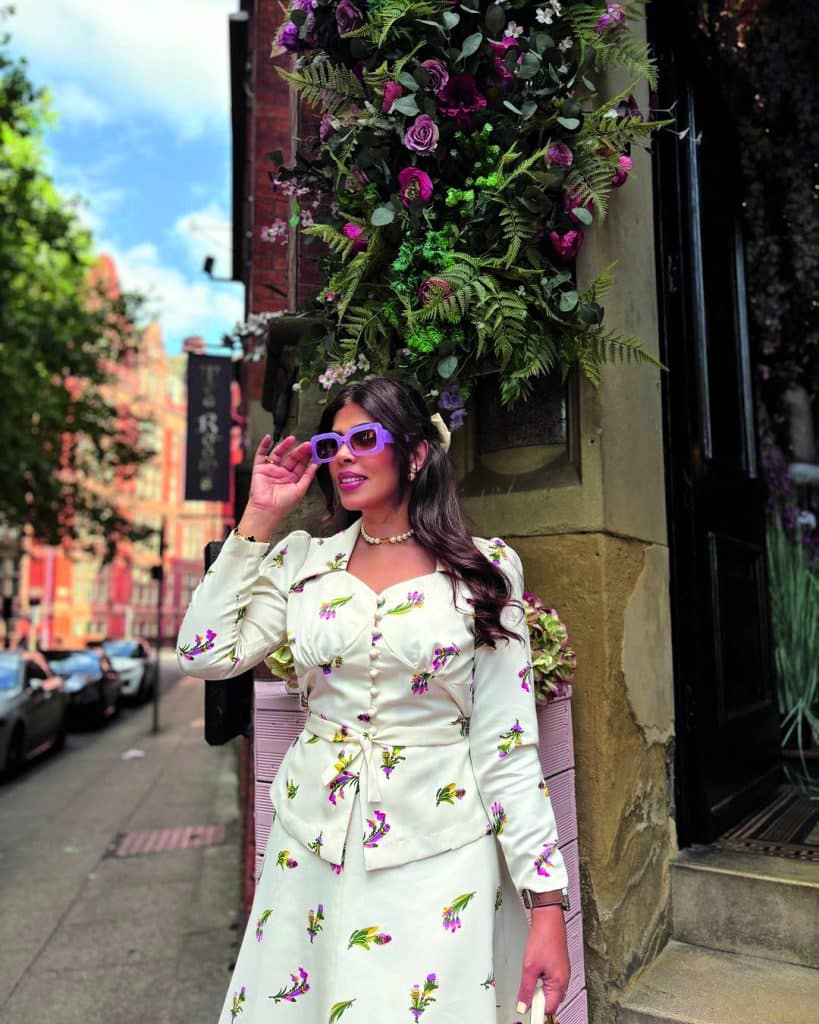
Fashion and celebrity stylist Noha Sindi has been styling for TV since, well…before it was even a thing. Now a sought-after career choice, styling work for TV shows has become a skill in its own right. Luckily, Noha has mastered the art, and knows a thing or two about working with high-calibre clientele in Saudi
Her career at a glance…
In the beginning, I was just a fashion stylist who had normal clients in need of consultations on their body shapes, what to wear and what not to wear…that sort of thing. But after an interview I did on TV with one of the regional channels, the producer asked me to style the presenters. Honestly, I was hesitant in the beginning, and it was a challenge to dress them, especially because TV styling was new to me. But I took the challenge and it was worth it. I got connected with a lot of fashion brands, designers and networks for more work. Plus, it was considered a new thing here in KSA. I can say I was officially the first TV stylist in Saudi Arabia.
The ins and outs of the job…
Firstly, I need to meet with the production team to understand the concept and theme of the show I will be styling. Then, I need to learn a bit about the presenter’s personality type, body shape and skin tone in order to select the right styles for them in terms of colours and cuts. From there, I connect with fashion brands and local designers to discuss partnerships or sponsorships. And the final step is selecting the outfits the presenter will be wearing during the show. This process usually is done weekly, but it’s sometimes adapted when we have certain celebrations or occasions that require certain styles like National Day or Ramadan or Eid.
What you might not know…
A lot of people don’t know the difference between Fashion and Styling. Fashion is temporary and changes constantly, but style is timeless. TV styling is very different from any other kind of styling, it requires a lot of collaboration between different people on set, dealing with producers and cameramen. Dressing well on TV is an important factor because you can express a person’s character and personality through their clothes, which enhances a storyline but also allows audiences to connect with the people on screen.
Her top tips…
If you’re passionate about fashion styling and want to pursue a career in the industry, consider enhancing your skills and knowledge through education. You should also have a good understanding of the history of fashion – as they say, fashion often repeats itself. Fashion styling is all about the details – from selecting the right accessories to perfecting the fit of a garment, stylists need to have a keen eye for detail. It is hard work, but it can also be incredibly rewarding seeing your ideas come to life.
How to keep up with trends…
Constant research on fashion trends is very important. Especially through online platforms, attending fashion weeks and runway shows. Also since we are in the Middle East, it’s important to analyse social and cultural factors and keep an eye out for new and upcoming local designers.