
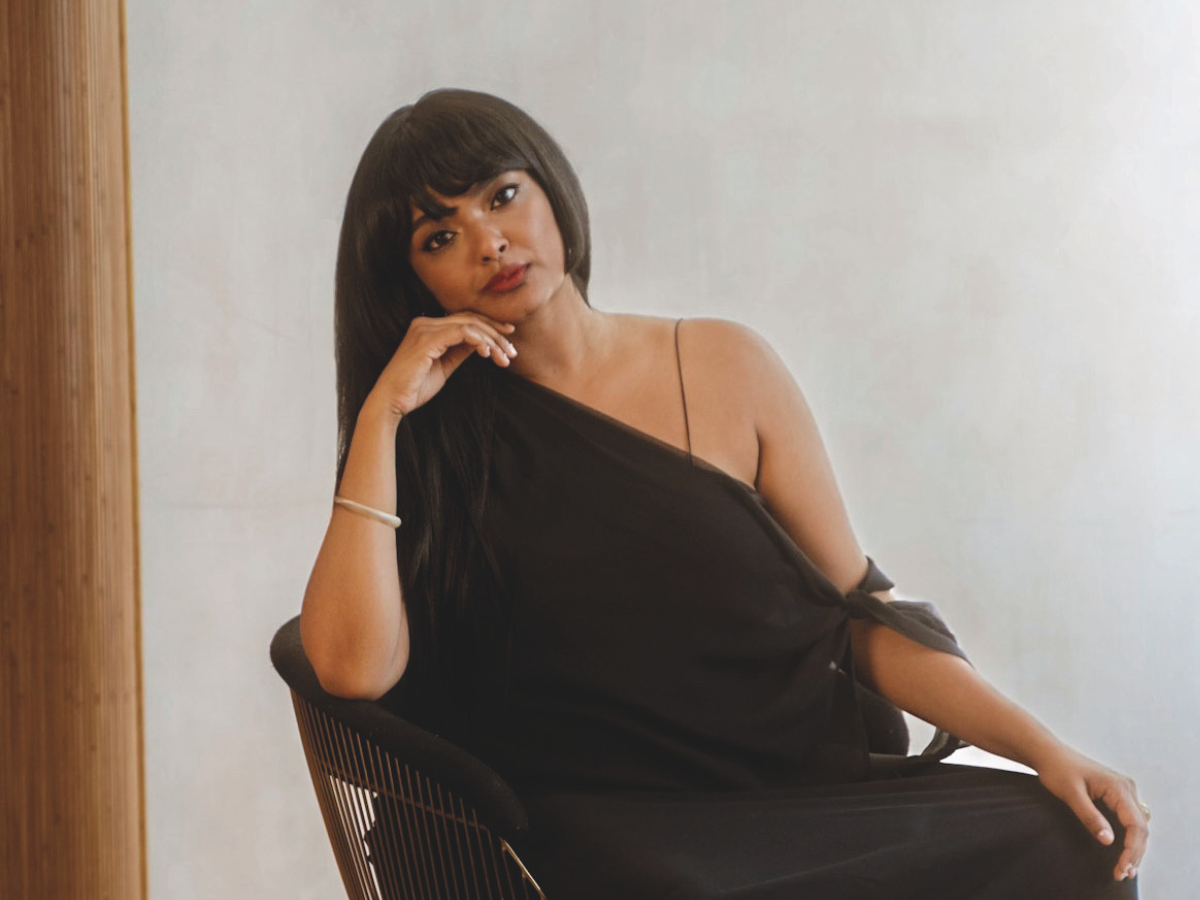
When I make a perfume, I want it to feel like a wearable work of art on the skin. My latest release, “I Want You”, features the basiest of base notes, oud, sourced from the lush, hilly land of Sylhet, Bangladesh. Oud is a note often associated with Arab perfume culture, but it comes from South and Southeast Asia, a fact that many don’t even realise. In this time of full-on, global obsession with all things fragrance, I want perfume to be an expression of nature, history, ritual, sensuality, and personal truth. “I Want You” is my version of an oud, along with notes of musk, salted skin, brown sugar, coffee, coriander, rosewood, roasted seashell. But I’ve wondered over the last couple of years, as an artisan perfumer in a vast, saturated market, is there room for me, with my point of view, in this industry that still sees “classically-trained” French perfumery, or a male perfumer, as the standard?
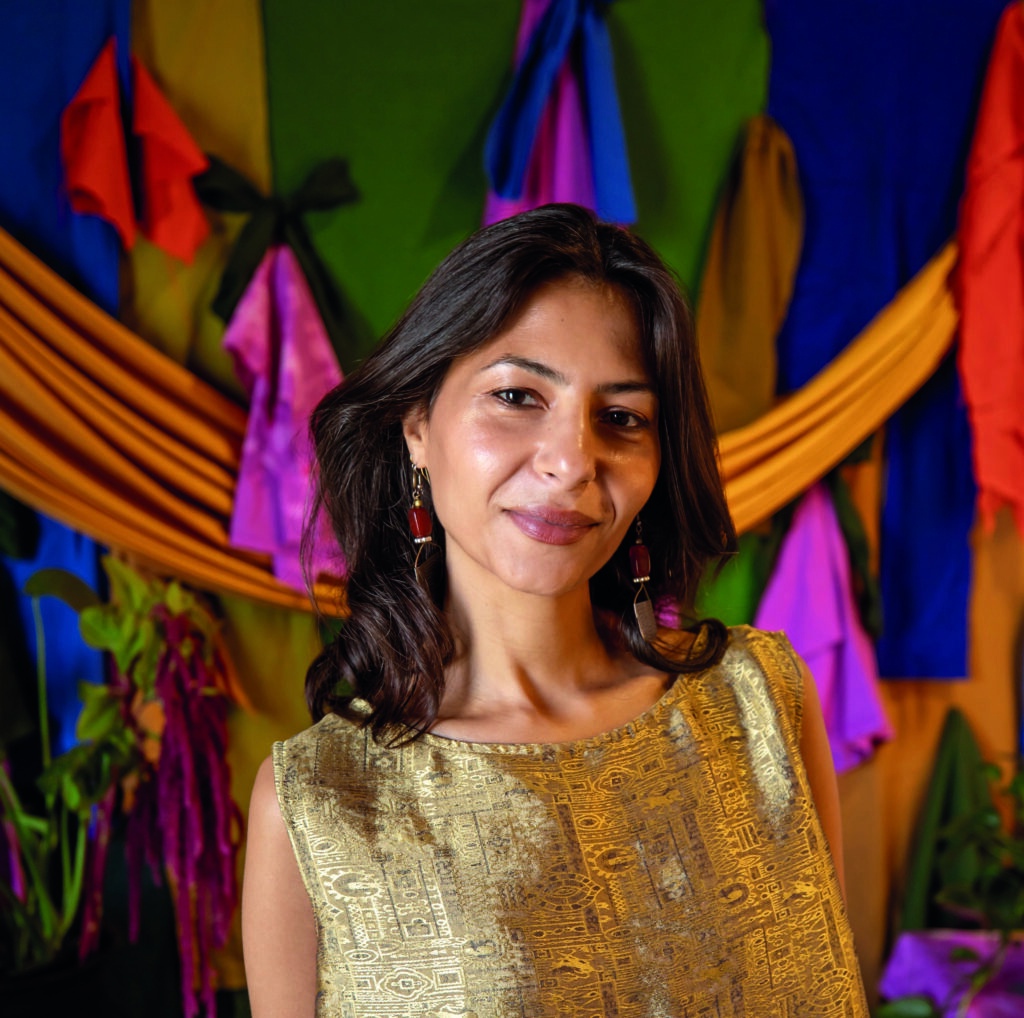
Dana El Masri, a Grasse-trained perfumer and founder of Jazmin Saraï, says, “When you buy my perfume, you’re supporting a vast world outside the norm. I want to create links between worlds and new codes for the future. Embracing our distinctions and our differences is important. I want to bring people closer to themselves. The challenges are plenty, as people of colour in perfumery, especially in North America.”
We both launched our independent perfume brands back in 2014. Something we’ve experienced, as diasporic Bangladeshi and Egyptian-Lebanese perfumer-writers, is how marginalised women and femmes often create work that’s ahead of its time, but by the time the culture catches up, we’re the ones who end up feeling left behind. As if our work still needs to be translated, muted, deemed worthy. Ten years later, I’ve considered closing up shop, sick of the tariffs, the rising cost of materials and supplies, whilst fearing I’d lost the part of myself that loved this work.
I turned to—where else?—#PerfumeTok. Somehow, in that vast echo chamber, miraculously, I found my tribe. With roots in Somalia, Lebanon, India, Egypt, China, our tastes haven’t just been shaped by this new perfume era, but by centuries of fragrant materials, incense and spices moving along the Mediterranean, the Arabian Sea, the Indian Ocean.
“As a first-generation British Somali woman, it’s inevitable to feel an absence of belonging,” says Naeema. “Growing up in such a diverse city like London has allowed me to feel at home with people of all ethnicities, especially other children of the diaspora, who share that same in-between-ness.” Inspired by the brilliant perfume content creator, Tracey Wan @invisiblestories, Naeema “began to see perfume as an art form, a vessel for memory, identity, and culture.”
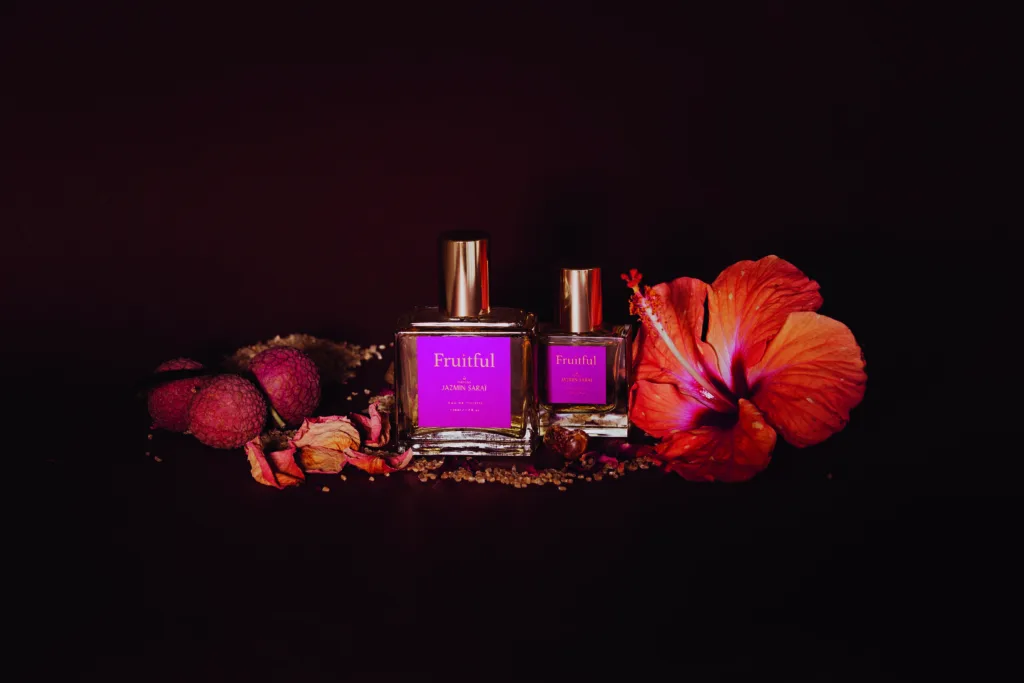
Diasporic longing and alienation have been heavily explored in literature, film and art, but in perfumery, it’s still new terrain. People seek refuge in perfume. They want to ease their grief, shift their mood, or put on armour. “Scent is a saviour for people in the diaspora,” El Masri told me once, a quote I recorded in my last book, In Sensorium: Notes For My People. It took her five years to formulate the latest Jazmin Saraï perfume, Fruitful, a juicy, abundant concoction of lychee, mango flower, hibiscus and musk. “Part of the process of creating this perfume became about piecing myself back together…sowing seeds of peace and protection.”
Collectively experiencing mass illness, whilst witnessing human suffering across the globe, as we become more disassociated and chronically online, has undoubtedly taken a toll on us all. Perfume reminds us of the necessity of pleasure. “Masking and social isolation dulled my senses, so I found myself increasingly drawn to scent,” says Yogi, the creator known as @sleeplessscents. “What I love about perfumers with African, West Asian, or South Asian roots like myself, is their creativity, their fresh use of old materials and the introduction of new scents and notes.” When designing her perfume Mithai, in collaboration with the brand Peosym, they remixed the larger fragrance industry’s explosion of edible gourmand perfumes into the beloved South Asian dessert, kaju barfi. The perfume smells buttery, creamy, with tea, stone fruit facets.
We return to certain materials because of the sacredness we imbue them with. We have overlapping olfactory tastes: cardamom, cedar, jasmine, musk, tea, incense, sandalwood. “I always return to resins,” says Yusra (@yusraontheside), who found refuge in the online perfume space whilst healing from a difficult postpartum experience. “Frankincense, opoponax, and myrrh hold so much meaning for me as a Somali woman. They’re used as medicine, as cleansers, as energy shifters, as perfume, as incense.” Smelling my perfume Mala, she tells me, “brought tears to my eyes. Because it smells exactly like the calming presence of my female elders, the scent of their shawls and dresses, and of making uunsi with my grandmother.”
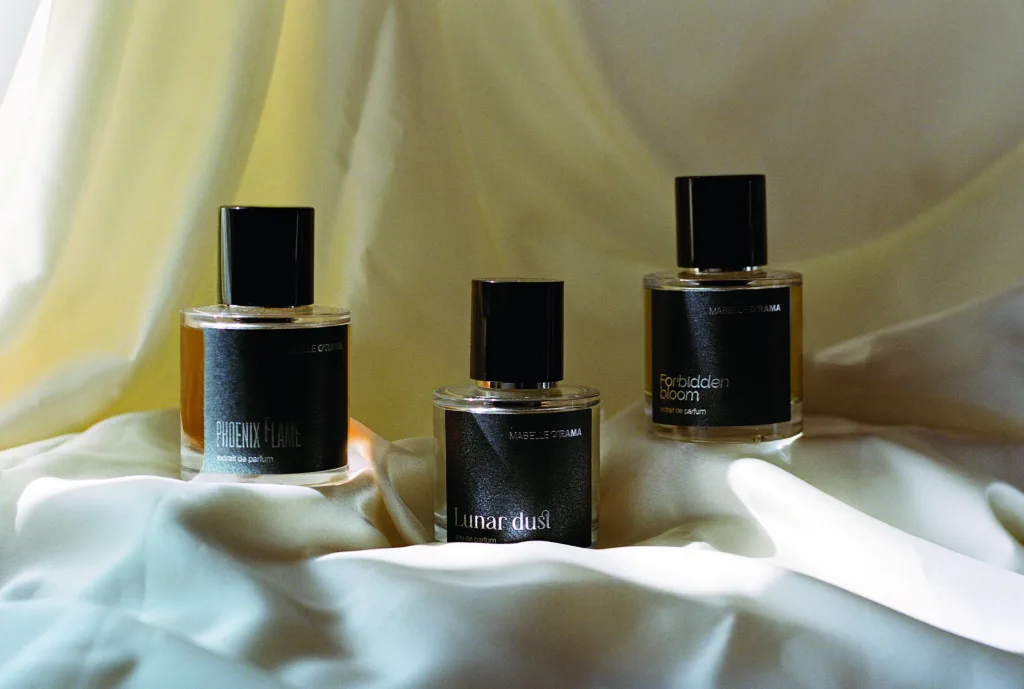
Whilst perfume is made of materials rooted in this world, both natural and aromachemical, London-based, Lebanese perfumer Mabelle O’rama’s Lunar Dust is an ode to our constant companion and muse: the moon. “In Lebanon, the ultimate compliment you can give someone is ‘Amar’,” says Orama. “Familiar yet dreamy, it feels close yet it’s so far away. It evokes the coolness of the night but also the warmth of its glowing light. I used 100% molecules, because I wanted it to feel like it wasn’t from this planet, to evoke a feeling of otherworldliness.”
What a gift it’s been, to find this tribe of people, women and femmes who love perfume, who feel its presence and meaning, as an ancient practice, as a continuation of knowledge, as a form of time-travelling between past, present and future.
Next, read about more Bangladeshi creatives to keep an eye on!