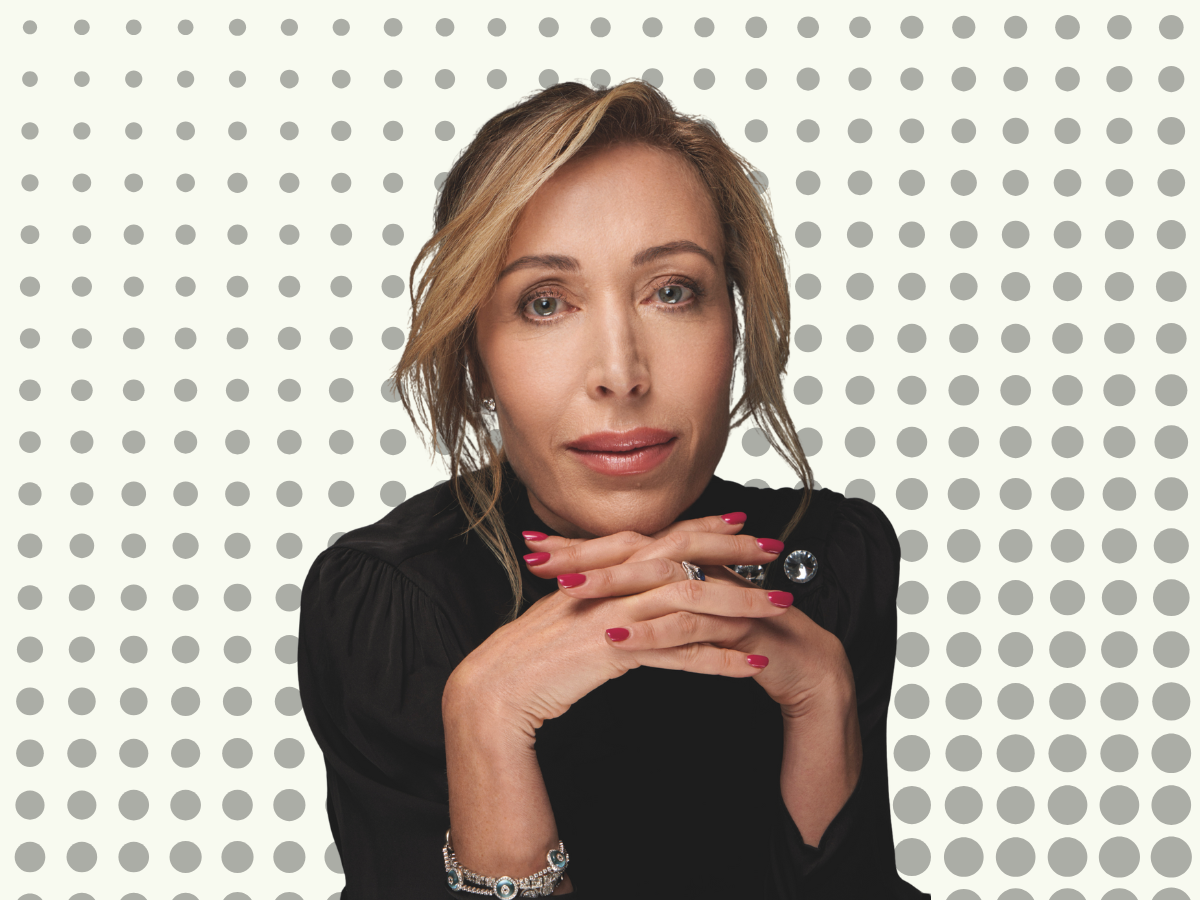
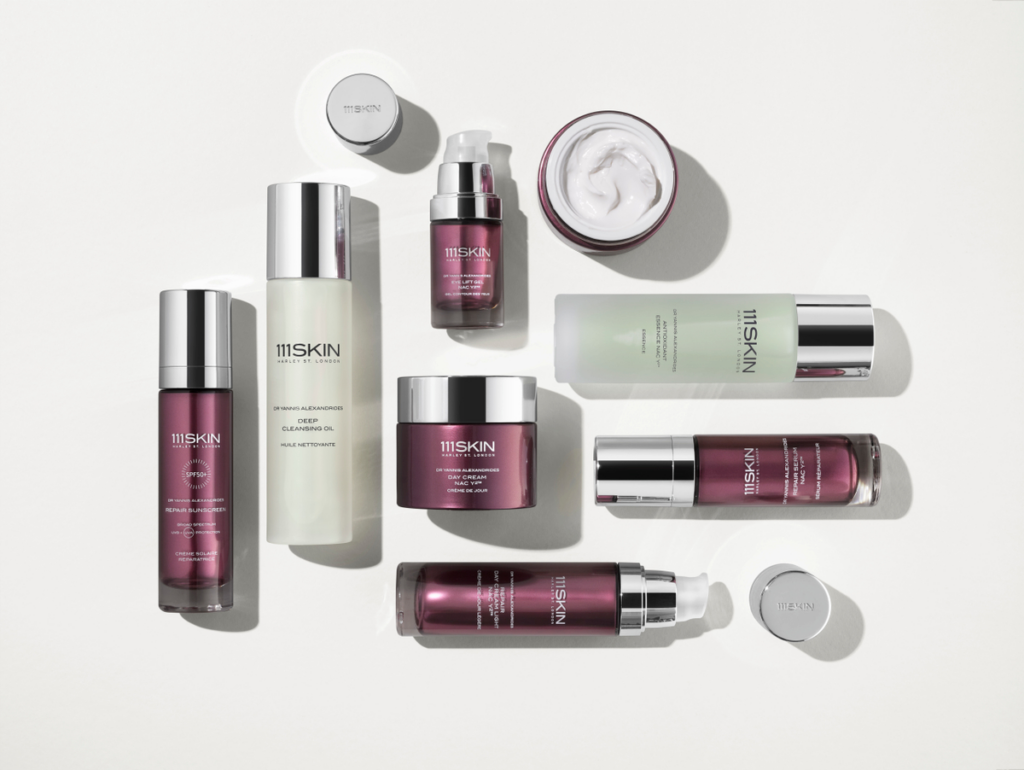
Eva Alexandridis knows two things: skin and scaling. When her husband Dr Yannis Alexandridis, a plastic surgeon with a sharp eye for what was missing in post-surgery skincare, pointed out a gap in the market, she stepped in as managing director and took on the behind-the-scenes work of building their brainchild, 111SKIN. Now, 111SKIN is the kind of name everyone in luxury skincare circles knows by heart, sworn by the best of the best from the Hadids to the Beckhams.
Cosmopolitan Middle East asks her about that transition, how one scales a business, and the key lessons from a builder of a million-dollar skincare company.
CosmoME: When scaling a business, what are your non-negotiables?
Eva: A strong team that complements your drive and vision is absolutely non-negotiable. As a founder, you need to truly understand both your strengths and your limitations and focus on what makes you unique. For me, my energy and creativity are where I add the most value – connecting with people, compelling storytelling, and being the gatekeeper of the brand’s sensorial world.
When we began scaling, I knew I needed a leadership team that could anchor the business side across operations, finance, and HR. Building a team that balances my vision with operational excellence has been critical. Scaling successfully requires that balance between creative drive and structured execution.
CosmoME: What’s the biggest mistake you see founders make when trying to scale, and how did you avoid (or learn from) it?
Eva: Many founders equate scaling with rapid expansion by opening new markets and accounts. Whilst it seems a lot easier and exciting, it can also dilute focus and drain resources.
In our early years, I was eager to keep launching the brand into new markets. It felt like progress – but it was also expensive and stretched our resources. Over time, I realised true brand strength lies in consistent, year-on-year growth within existing key territories. That’s when you know your brand has staying power. Now, we’re super focused on increasing sales and deepening engagement with our current retail partners – that’s real, lasting growth and a true indication of brand desirability.
CosmoME: How do you know when a business is actually ready to scale versus when it just feels like the right time?
Eva: You’re ready to scale when your operations and logistics are firmly under control. It’s not enough to have demand – you need the infrastructure to support it. Without careful balance between projections and budgets, scaling can quickly become costly. Overproducing leads to excess stock and cash flow strain; underproducing leaves you unable to meet demand – both are equally damaging to the business. Scaling responsibility means aligning sales projections with budgets, ensuring you have operational stability and clear, consistent demand for your product.
CosmoME: What systems, processes, or infrastructure do you recommend for scaling successfully?
Eva: It always starts with the people you hire. Bring in the right experts who have the relevant experience. I’m very strategic about who I hire – I look for leaders who’ve scaled businesses similar to ours, but slightly bigger. Hiring solely from large, established brands can risk you losing the agility and entrepreneurial thinking which made you successful in the first place.
There’s no single playbook for scaling anymore – you need experience but also to stay deeply attuned to shifting consumer trends. Each senior hire we’ve made has introduced new systems and structure – from warehousing and logistics to digital agencies. It’s been a constant evolution. Interestingly, we’ve remained on Shopify for the past ten years which is proof that the right system doesn’t always need replacing, it just needs refining.
CosmoME: Scaling requires delegation and often stepping back from day-to-day operations. How did you navigate letting go of control, and what advice would you give founders who struggle with that transition?
Eva: This was a serious personal transition, that was one of the most transformative experiences of my career. Last year, I stepped down as CEO and promoted my COO into the role. It was a big shift and challenging at first, but it was absolutely the right decision for the business.
I realised that for the brand to evolve, I needed to create space for new leadership. I’m still deeply involved, but now focus on brand development, creative direction, and long-term strategy, whilst ensuring our core values and product philosophy remain intact.
Letting go of control isn’t about stepping away – it’s about stepping back and into a role where you can have the biggest impact whilst allowing the brand to grow beyond you.
Have you read about financing your art, according to celeb MUA Nina Ubhi?